Tag: Infrastructure development

  • China’s Growing Influence in Maldives

    China’s Growing Influence in Maldives

    China has been actively strengthening its ties with the Maldives, a move that appears to signal a shift away from what many perceive as India’s influence in the region. Here’s a breakdown of how China has been supporting the Maldives in recent months:


    • Free Military Assistance: In March, China and the Maldives signed a defense cooperation agreement, wherein China agreed to provide free military assistance to the Maldives to enhance bilateral ties. This includes training for the Maldivian army and the provision of non-lethal weaponry such as tear gas and pepper spray.


    • Eco-Friendly Ambulances Donation: China gifted 12 eco-friendly ambulances to the Maldives, contributing to faster emergency response times in the islands, as reported by the Maldives’ Ministry of Health.


    • Civil Vehicles Donation: Additionally, China donated 10 civil vehicles to the Maldives, specifically designed for waste collection and other municipal purposes. This donation aims to support the Maldives in maintaining cleanliness and infrastructure development.


    • Environmental Protection Collaboration: The Maldives government signed an MoU with China Tianying Inc. (CNTY) to collaborate on environmental protection efforts, focusing on climate change, water and sanitation, energy, and low-carbon urban development.


    • Drinking Water Donation: Amid an acute water shortage, China donated 1,500 tonnes of drinking water to the Maldives, sourced from glaciers in Tibet, to alleviate the crisis and support the well-being of Maldivian citizens.


    • Infrastructure Development: China Machinery Engineering Corporation (CMEC) was contracted by the Maldives Housing Development Corporation to undertake major projects in Hulhumale’ Phase 3, including the development of water supply, road networks, sewerage facilities, and electricity supply.


    • Lab Equipment Procurement: The Maldives Ministry of Health signed a Letter of Exchange with the Chinese government to procure equipment for 17 laboratories, aiming to enhance healthcare services and expedite treatment procedures across the islands.


    • Free Road Development in Malé: China committed to developing roads in Malé, the capital city of the Maldives, free of charge, as part of its support for infrastructure development in the country.


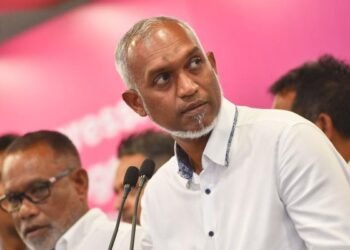
    • Free Trade Agreement Implementation: The Maldives President highlighted the benefits of implementing the Free Trade Agreement with China, which is expected to provide significant advantages to Maldivian businesses and the economy.


    • Agricultural Growth Assistance: Agreements were signed with China to expand agricultural growth in the Maldives, aiming to enhance food security and cultivate essential agricultural commodities to sustain the population.


    These developments underscore China’s growing involvement and influence in various sectors of the Maldivian economy and infrastructure. The strategic partnerships and assistance provided by China reflect a broader geopolitical dynamic in the region, with implications for regional influence and diplomatic relations.


    As China deepens its engagement with the Maldives, it raises questions about the evolving geopolitical landscape in the Indian Ocean region and the implications for traditional alliances and partnerships.

  • PM Lays Foundation Stone for Delhi Metro Phase 4 Corridors

    PM Lays Foundation Stone for Delhi Metro Phase 4 Corridors

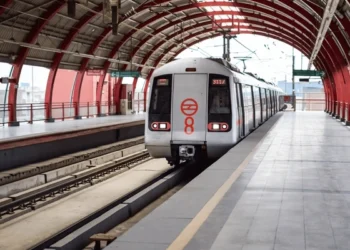
    Prime Minister Narendra Modi marked a significant development in Delhi’s infrastructure landscape by laying the foundation stone for two additional corridors of the Delhi Metro’s Phase 4 project. The ceremony, held at Jawaharlal Nehru Stadium, symbolized a crucial step towards enhancing connectivity and transportation efficiency in the national capital region. The two corridors, part of the Phase 4 expansion, are set to revolutionize the city’s public transportation system with a combined cost of Rs. 8,399 crore and a total length of 20.762 km.


    According to a government press release, the Inderlok-Indraprastha corridor will serve as an extension of the Green Line, facilitating interchange with several existing metro lines, including the Red, Yellow, Airport Line, Magenta, Violet, and Blue Lines. On the other hand, the Lajpat Nagar-Saket G Block corridor will provide connectivity between the Silver, Magenta, Pink, and Violet Lines. These corridors strategically link key areas of Delhi, improving accessibility and easing travel for commuters across the city.


    The Lajpat Nagar-Saket G Block corridor is planned to be entirely elevated and will feature eight stations, while the Inderlok-Indraprastha corridor will have ten stations. This expansion is expected to alleviate congestion on existing metro lines and offer commuters more convenient and efficient travel options.


    In addition to the metro corridor inauguration, Prime Minister Modi also interacted with beneficiaries of the PM SVANidhi scheme, a government initiative aimed at supporting street vendors. During the event, PM Modi distributed loans under the scheme to 1 lakh street vendors, including 5,000 vendors from Delhi. The PM SVANidhi scheme has been instrumental in providing financial assistance to street vendors across the country, with over 82 lakh loans amounting to over ₹10,978 crore disbursed to more than 62 lakh street vendors so far.


    Addressing the audience at the event, PM Modi lauded the contribution of street vendors to society, especially during the challenging times of the COVID-19 pandemic. He emphasized the importance of recognizing the resilience and hard work of street vendors, who play a vital role in the daily lives of citizens. PM Modi acknowledged the neglect faced by street vendors in the past, highlighting the lack of support and opportunities available to them under previous governments.


    The Prime Minister reiterated the government’s commitment to improving the lives of the poor and the middle class, emphasizing the BJP’s efforts to address the needs of marginalized communities. He emphasized the transformative impact of initiatives like the PM SVANidhi scheme in empowering street vendors and providing them with access to financial resources and opportunities for growth.


    Overall, the foundation stone laying ceremony for the Delhi Metro’s Phase 4 corridors and the interaction with beneficiaries of the PM SVANidhi scheme underscored the government’s dedication to infrastructure development and inclusive growth. These initiatives are poised to enhance connectivity, stimulate economic activity, and improve the quality of life for millions of citizens in the national capital region.

  • Highway Construction in India Sees Late Surge

    Highway Construction in India Sees Late Surge

    Highway construction in India has witnessed a late surge in momentum, with over 3,000 kilometers of highways being added to the network during the months of January and February. This surge comes as a late push to meet the targets set for the financial year, indicating an increased pace of infrastructure development in the country.


    During the first 11 months of the fiscal year up to February-end, a total of 9,088 kilometers of highways had been constructed. This figure represents a significant increase compared to the previous fiscal year, which saw 8,064 kilometers of highways being constructed during the same period. The increase in highway construction activity reflects the government’s commitment to improving infrastructure and connectivity across the country.


    The bulk of the surge in highway construction has been witnessed in the last few months of the fiscal year, particularly in January and February. In January, a record addition of close to 1,442 kilometers of highways was reported, followed by another record in February with the addition of 1,430 kilometers. This late surge indicates a concerted effort to accelerate construction activity and meet the year-end targets.


    Road ministry officials are optimistic about achieving further progress in highway construction, with expectations that an additional 2,500 to 3,000 kilometers of highways could be built in the last month of the financial year. This would potentially take the total length of highways constructed during the fiscal year to the 12,000-kilometer mark, albeit falling slightly short of the target of 13,814 kilometers.


    Despite falling short of the aspiration target, officials highlight that the actual construction of new highways and capacity augmentation projects in the fiscal year is expected to be the highest ever. The government has been focusing on capacity augmentation projects to strengthen and expand the existing highway network, with a record number of such projects undertaken during the fiscal year.


    Capacity augmentation projects play a crucial role in measuring the progress of infrastructure development, as they enhance the overall capacity and efficiency of the highway network. These projects include the construction of new lanes and the remodeling of existing highways to accommodate growing traffic demands. The emphasis on capacity augmentation reflects the government’s commitment to improving the quality and reliability of the country’s road infrastructure.


    However, concerns have been raised regarding the pace of highway awards, which have remained slow during the current fiscal year. While significant progress has been made in highway construction, the pace of awarding new projects has been slower than anticipated. This slowdown in awards could impact the pipeline of future projects and lead to delays in infrastructure development.


    Despite the challenges, the government remains hopeful of achieving significant progress in highway construction and awarding new projects in the coming years. The focus on infrastructure development is seen as essential for driving economic growth, creating employment opportunities, and enhancing connectivity across the country.


    India’s highway construction has witnessed a late surge in momentum, with significant progress made in adding new highways to the network. While challenges remain, the government’s commitment to infrastructure development bodes well for the country’s economic growth and overall development. Continued efforts to accelerate construction activity and address bottlenecks in project implementation will be crucial for achieving the desired targets and further improving the country’s infrastructure landscape.

  • Maharashtra, UP, and Andhra Pradesh Lead Highway Projects

    Maharashtra, UP, and Andhra Pradesh Lead Highway Projects

    In a significant move to revitalize infrastructure development, Maharashtra, Uttar Pradesh, and Andhra Pradesh are set to lead highway projects in India under the Build-Operate-Transfer (BoT) model. This initiative comes after the Ministry of Road Transport and Highways made substantial efforts to reinvigorate toll projects following a hiatus since 2014.


    With 53 proposed projects spanning approximately 5,200 kilometers and a total worth of ₹2.1 trillion, the government aims to attract private sector participation in undertaking construction risks for promising returns. Maharashtra is poised to account for 14 of these projects, covering 522 kilometers of highways, with an investment of ₹39,477 crore. Uttar Pradesh will undertake six BoT projects, spanning 1,344 kilometers and valued at ₹50,333 crore. Andhra Pradesh, on the other hand, will oversee seven projects under the BoT model.


    This move signals a departure from the previous trend where the BoT model was the preferred choice, representing 96% of all projects awarded in 2011-12. However, its popularity steadily declined over the years as investor appetite for undertaking risks waned. Consequently, the government transitioned to the hybrid annuity model (HAM) to revive investments in road infrastructure projects.


    Kushal Kumar Singh, a Partner at Deloitte India, highlighted that while the HAM model has been successful, it may not cater to certain investors seeking upside in highway projects and willing to take traffic risks. The proposed changes in the BoT model have received positive feedback from the market, indicating potential demand for such projects. Singh emphasized the importance of the government’s flexibility in adapting the model to evolving market dynamics for its success.


    Under the BoT contract, large infrastructure projects are developed through public-private partnerships. In this arrangement, a private firm receives an initial concession from a public entity to build and operate the project. After a specified period, control of the project reverts to the public entity. The investor typically enjoys a concession period of 20 years or more, during which tolls are collected to recoup construction and operating costs and generate profits.


    The National Highways Authority of India (NHAI) last attempted to allocate BoT road projects in 2020 in Maharashtra, Uttar Pradesh, and Andhra Pradesh. These projects were eventually awarded in March 2021 at a premium, with developers paying the government in addition to constructing the road. However, there were several challenges, including multiple extensions to bidding deadlines and the inclusion of incentives. Since then, projects have predominantly been awarded under the Engineering Procurement Construction (EPC) and HAM models due to implementation challenges with BoT projects.


    To revive BoT projects, several initiatives have been undertaken, including schemes such as harmonious substitution, one-time fund infusion, rationalized compensation, premium deferment, and refinancing. These efforts aim to create a conducive environment for private sector participation and attract investments in infrastructure development.


    The government’s ‘Vision 2047’ Plan outlines ambitious goals for the development of high-speed corridors and a world-class highway network in India. A robust public-private partnership in the roads sector will be pivotal in realizing this vision. By leveraging the BoT model and encouraging private sector involvement, India can accelerate infrastructure development and strengthen its transportation network to support economic growth and development.

  • PM Modi Inaugurates 15 Airport Projects Virtually

    PM Modi Inaugurates 15 Airport Projects Virtually

    Prime Minister Narendra Modi recently inaugurated 15 airport projects, including the Terminal 1 at New Delhi’s airport, through a virtual ceremony from Azamgarh, Uttar Pradesh on March 10. The event marked a significant milestone in India’s infrastructure development, with new passenger terminals being unveiled across various cities, including Delhi, Lucknow, Pune, Kolhapur, Gwalior, Jabalpur, Aligarh, Azamgarh, Chitrakoot, Moradabad, Shravasti, and Adampur.


    During his address at the program, PM Modi expressed gratitude for the overwhelming support and affection shown by the people of Azamgarh. He acknowledged the enthusiasm and love displayed by the residents, emphasizing the importance of such sentiments in fostering national unity and progress.


    In his speech, PM Modi also touched upon the prevailing political climate, alluding to the upcoming Lok Sabha Elections. He highlighted the contrast between the current government’s approach and the practices of previous administrations during election seasons. PM Modi emphasized the government’s commitment to transparency and genuine development initiatives, contrasting it with what he described as the deceptive tactics employed by past governments to sway public opinion.


    PM Modi debunked the notion of political baiting, asserting that the inauguration of projects before elections was not a ploy but a testament to the government’s dedication to fulfilling its promises. He underscored the significance of the projects inaugurated, emphasizing their role in fostering inclusive growth and transforming previously neglected regions like Azamgarh into hubs of development.


    The inauguration ceremony also witnessed the unveiling of several other key infrastructure projects across various states. Notable highlights included the inauguration of 12 new terminal buildings and the foundation stone laying for three additional terminal buildings at airports in Kadapa, Hubballi, and Belagavi. Additionally, air facilities in Gwalior and Jabalpur, developed at a cost of approximately ₹950 crore, were inaugurated virtually.


    PM Modi also inaugurated the Light House Project (LHP) in Lucknow and Ranchi, aimed at providing affordable housing solutions. Over 2000 affordable flats have been constructed under this initiative, furthering the government’s commitment to addressing the housing needs of the citizens.


    Furthermore, PM Modi laid the foundation stone for several road projects worth around ₹11,500 crore in Uttar Pradesh, underscoring the government’s focus on improving connectivity and infrastructure in the state. Additionally, under the Pradhan Mantri Gram Sadak Yojana, approximately 744 rural road projects, valued at more than ₹3700 crore, will be initiated, facilitating better connectivity in rural areas.


    The ceremony also witnessed the inauguration and foundation stone laying of multiple rail projects amounting to around ₹8200 crores. Additionally, several sewage treatment plants and other critical projects in Prayagraj, Jaunpur, and Etawah were inaugurated, furthering the government’s efforts towards sustainable development and environmental conservation.


    Overall, the inauguration of these rail and airport projects reflects the government’s unwavering commitment to infrastructure development and inclusive growth. PM Modi’s address underscored the importance of transparency, accountability, and genuine progress in governance, setting the stage for a transformative journey towards a developed and prosperous India.

  • Navi Mumbai Airport to be Operational by March 2025

    Navi Mumbai Airport to be Operational by March 2025

    In a significant announcement during the presentation of the Maharashtra state budget for 2024-25, Finance Minister Ajit Pawar revealed that the first phase of the Navi Mumbai airport is expected to be operational by March 2025. This declaration underscores the state government’s commitment to bolstering infrastructure and facilitating economic growth in the region.


    The Navi Mumbai International Airport project has been eagerly anticipated as a crucial addition to the transportation network of Maharashtra, particularly in the bustling Mumbai Metropolitan Region (MMR). With commercial operations slated to commence by March 31, 2025, the airport is poised to address the growing air traffic demand and alleviate congestion at existing airports in the region.


    The project, spearheaded by the Adani Group, represents a significant milestone in the development of Navi Mumbai as a key hub for aviation and commerce. It is being executed in multiple phases, with the first two phases aimed at accommodating a capacity of 2 crore passengers annually. This initial capacity will provide much-needed relief to Mumbai’s existing airports and enhance the overall efficiency of air travel in the region.


    Minister Pawar’s announcement also sheds light on the government’s ambitious plans for enhancing connectivity and infrastructure across Maharashtra. Apart from the Navi Mumbai airport, the state is gearing up for the development of Maharashtra Bhavans in Ayodhya and Srinagar. These initiatives underscore the state government’s commitment to fostering cultural and diplomatic ties while promoting tourism and trade.


    Furthermore, the budget allocates funds for critical social welfare programs and initiatives aimed at honoring the contributions of freedom fighters and eminent personalities. The decision to double the pension for freedom fighters from ₹10,000 to ₹20,000 per month reflects the government’s recognition of their sacrifices and valor. Additionally, the proposal to establish memorials for illustrious figures such as Ahilyabai Holkar, Jyotiba Phule, and Lahuji Salve underscores the state’s rich legacy and commitment to preserving its cultural heritage.


    The Navi Mumbai airport project holds immense significance not only for Maharashtra but also for the entire country. As one of the largest greenfield airport developments in India, it is poised to emerge as a key driver of economic growth and employment generation. The airport’s strategic location and state-of-the-art facilities are expected to attract investments across various sectors, further bolstering Maharashtra’s position as a preferred destination for businesses and industries.


    Moreover, the airport’s connectivity to major transportation arteries, including highways and railways, will enhance accessibility and facilitate seamless movement of goods and passengers. The integration of metro and rail links will provide convenient access to the airport from various parts of the MMR, enhancing its appeal to travelers and commuters alike.


    The Maharashtra government’s proactive approach to infrastructure development and economic revitalization is commendable. By prioritizing projects like the Navi Mumbai airport and investing in critical sectors such as MSMEs and water supply, the state aims to create an enabling environment for sustainable growth and development.


    The impending inauguration of the first phase of the Navi Mumbai airport marks a significant milestone in Maharashtra’s journey towards progress and prosperity. With its potential to catalyze economic growth, enhance connectivity, and create employment opportunities, the airport project exemplifies the state government’s commitment to realizing its vision of a vibrant and developed Maharashtra. As stakeholders eagerly await the airport’s opening, it is poised to redefine the region’s aviation landscape and unlock new avenues for growth and prosperity.

  • Nirmala Sitharaman Urges Indian Corporates to Drive Growth

    Nirmala Sitharaman Urges Indian Corporates to Drive Growth

    Finance Minister Nirmala Sitharaman emphasized the need for Indian corporates to play a significant role in driving India’s growth trajectory towards becoming a developed nation by 2047. Speaking at the FICCI’s National Conclave on ‘Viksit Bharat @ 2047: Viksit Bharat and Industry’, Sitharaman urged Indian industries to explore greater joint ventures globally, particularly in technology and other sectors, to complement the influx of foreign investments into the country.


    Sitharaman highlighted the substantial increase in the government’s capital expenditure (capex) budget in recent years, aimed at enhancing India’s infrastructure, generating employment, and accelerating economic growth. The capital expenditure on infrastructure projects for the upcoming financial year stands at ₹11.11 trillion, reflecting the government’s commitment to bolstering infrastructure development.


    Despite these efforts, Sitharaman acknowledged that private investments have not surged significantly due to factors such as high interest rates, excess capacity in certain sectors, forthcoming elections, and subdued consumer demand in rural areas. However, she expressed confidence that with the continuation of the government’s policies, India’s economy could ascend to become one of the top three global economies if the government secures a third term in the upcoming general elections.


    Nirmala Sitharaman highlighted the significant progress made in improving the ease of doing business since 2014, with reforms focused on simplifying due diligence procedures, enhancing compliance mechanisms, and promoting ease of living. She emphasized that the next phase of reforms would prioritize inclusive growth, with a particular emphasis on digital infrastructure, space technology, artificial intelligence, logistics, tourism, and agricultural value addition to boost productivity and efficiency across various sectors.


    The Finance Minister underscored the favorable outlook for India’s economy, with balanced risks, projecting a growth rate of 7% for FY25. However, she cautioned that geopolitical tensions and geo-economic fragmentation could pose challenges to sustained growth.


    Sitharaman’s remarks align with the Reserve Bank of India’s projection of a 7% real GDP growth for FY25, positioning India as the fastest-growing major economy. The government’s focus on fostering a conducive environment for investment and implementing structural reforms bodes well for India’s economic prospects in the coming years.

  • PM Narendra Modi Inaugurates Signature Bridge

    PM Narendra Modi Inaugurates Signature Bridge

    PM Narendra Modi is set to inaugurate the Signature Bridge linking Okha and Beyt in Dwarka, a significant event scheduled for February 25. Spanning approximately 2.32 kilometers, it stands as the nation’s longest cable-stayed bridge, connecting the Okha mainland with Beyt Dwarka. This infrastructure project, constructed at a cost of ₹978 crore, holds profound importance for residents and pilgrims alike, particularly those visiting the revered Dwarkadhish temple.


    Initiated by the Centre in 2017 and inaugurated by PM Narendra Modi, the construction of the Signature Bridge began with a groundbreaking ceremony, marking a pivotal step towards enhancing connectivity in the region. The primary objective behind the bridge’s development is to streamline access for devotees commuting between Okha and Bet Dwarka. Prior to its construction, pilgrims had to rely on boat transport to reach the Dwarkadhish Temple in Beyt, Dwarka, making the journey arduous and time-consuming.


    Here are key highlights about the bridge:

    • Length and Cost: The Signature Bridge boasts a length of 2.5 kilometers and was constructed at a cost of ₹978 crore, making it a significant infrastructure investment aimed at bolstering connectivity in the region.


    • Initiation: The project was initiated by the Central government in 2017, underscoring its commitment to improving transportation infrastructure and facilitating easier access for pilgrims and residents alike.


    • Purpose: One of the primary objectives behind the construction of the Signature Bridge is to simplify the journey for devotees traveling between Okha and Bet Dwarka. By providing a direct link between the two locations, the bridge aims to streamline transportation and enhance accessibility to the revered Dwarkadhish Temple.


    • Enhanced Connectivity: The completion of the bridge marks a significant milestone in improving connectivity in the region. Previously, pilgrims had to rely on boat transport, which was often subject to weather conditions and posed challenges in terms of reliability and convenience.


    • Symbol of Progress: The inauguration of the Signature Bridge symbolizes progress and development in the region, reflecting the government’s commitment to infrastructure development and improving the quality of life for residents.


    • Tourism Boost: The enhanced connectivity provided by the bridge is expected to give a significant boost to tourism in the area. With easier access to the Dwarkadhish Temple, pilgrims and tourists alike can now visit the sacred site more conveniently, contributing to the local economy and promoting religious tourism.


    • Engineering Marvel: As the longest cable-stayed bridge in the country, the Signature Bridge stands as an engineering marvel, showcasing India’s prowess in infrastructure development and construction technology.


    • Aesthetic Appeal: In addition to its functional significance, the bridge is also expected to enhance the aesthetic appeal of the region, serving as a landmark structure and attracting visitors from far and wide.


    • Government Initiative: The construction of the Signature Bridge underscores the government’s commitment to investing in critical infrastructure projects that benefit the public and contribute to the overall development of the region.


    • Inauguration Ceremony: The inauguration of the Signature Bridge by Prime Minister Narendra Modi is a momentous occasion that highlights the significance of the project and its potential to transform transportation and connectivity in the region.
  • PM Modi to Inaugurate Gurugram Metro Project and AIIMS Rewari

    PM Modi to Inaugurate Gurugram Metro Project and AIIMS Rewari

    On February 16, Prime Minister Narendra Modi is scheduled to lay the foundation stone for the Gurugram Metro project, marking a significant step towards enhancing the transportation infrastructure in the city. This long-pending demand of Gurugram residents is set to become a reality, promising improved connectivity and convenience for commuters.


    The Gurugram Metro project, approved in June last year, is poised to address the growing transportation needs of the rapidly expanding city. The metro line will span approximately 26.65 kilometers, connecting the old part of Gurugram to Cyber Hub, a major commercial and business district. With an estimated cost of ₹5,452 crore, the project aims to alleviate traffic congestion and provide a sustainable mode of transportation for the city’s residents.


    One of the key objectives of the Gurugram Metro project is to enhance accessibility and connectivity within the city. By extending the metro line from Huda City Metro station to Cyber Hub, commuters will have convenient access to key destinations, including residential areas, commercial centers, and educational institutions. This will not only streamline daily commutes but also promote economic growth and development in Gurugram.


    The project will be executed by Gurugram Metro Rail Ltd, a joint venture between the Haryana government and the Central government. This collaborative effort underscores the commitment of both authorities to address the infrastructural needs of Gurugram and enhance the overall quality of life for its residents. The timely implementation of the metro project is expected to boost confidence among investors and stakeholders, further fueling the city’s growth trajectory.


    In addition to the Gurugram Metro project, Prime Minister Modi will also lay the foundation stone for AIIMS Rewari, a significant healthcare initiative aimed at improving medical services in the region. With an estimated cost of ₹1,231 crore, AIIMS Rewari will be the twenty-second AIIMS facility in India, catering to the healthcare needs of the local population.


    The establishment of AIIMS Rewari underscores the government’s commitment to providing accessible and affordable healthcare services to all segments of society. The hospital will boast state-of-the-art infrastructure and medical facilities, including 750 beds and an outpatient facility capable of serving 1,500 patients daily. Furthermore, AIIMS Rewari will serve as a medical college with 100 seats and 25 super specialty departments, contributing to the training of future healthcare professionals.


    The choice of Majra Bhalkhi village as the site for AIIMS Rewari reflects careful consideration of various factors, including accessibility, infrastructure availability, and environmental impact. By situating the hospital in Majra Bhalkhi, the government aims to ensure optimal utilization of resources while adhering to environmental regulations and conservation efforts.


    The upcoming event, where Prime Minister Modi will inaugurate both the Gurugram Metro project and AIIMS Rewari, holds significant importance for the residents of Haryana. It symbolizes the government’s commitment to inclusive development and infrastructure enhancement across the state. The seamless integration of transportation and healthcare initiatives is poised to transform the socio-economic landscape of Gurugram and its surrounding areas, ushering in a new era of progress and prosperity.


    As preparations are underway for the foundation stone-laying ceremony, the Bharatiya Janata Party (BJP) is gearing up to leverage the event as a platform to rally public support. With plans to attract a large audience through live telecast and engagement initiatives, the BJP aims to showcase its commitment to fulfilling the aspirations of the people and driving positive change through visionary leadership and strategic development initiatives.

  • Lakshadweep Islands Set for Tourism Transformation

    Lakshadweep Islands Set for Tourism Transformation

    The Lakshadweep islands are poised for a transformative makeover, with ambitious projects aimed at harnessing their tourism potential, according to a report by news agency PTI. New Delhi’s plans include positioning the archipelago as a viable alternative to the Maldives for tourists, amidst diplomatic tensions between the two nations. Prime Minister Narendra Modi’s visit to Lakshadweep in January underscored the government’s commitment to revitalizing the region’s tourism sector.


    Key initiatives in this endeavor include significant infrastructural development, with a substantial ₹4,500 crore contract awarded to L&T for the expansion of the Agatti airport runway to 2,800 meters. Additionally, plans are underway for a Greenfield airport at Minicoy Island, strategically located near the Maldives, further enhancing accessibility to the region.


    Efforts to boost connectivity have seen Fly19 and Spice Jet receiving necessary clearances for flight operations to Agatti Island, with Indigo also expressing interest in initiating flights. Fly19 aims to commence operations by the end of the month, signaling the growing interest in the region’s tourism potential.


    Furthermore, the renowned Tata Group has proposed the development of three major Taj resorts on Suheli, Minicoy, and Kadmat islands, with approvals already secured for Suheli and Kadmat. These properties, including Lagoon Villas and land villas, are set to redefine luxury hospitality in the region, offering over 100 rooms each.


    In a recent update, Minister for Culture and Tourism G. Kishan Reddy highlighted the government’s revamped Swadesh Darshan Scheme, with Lakshadweep among the 57 destinations identified for development under Swadesh Darshan Scheme (SD) 2.0. Emphasizing responsible and inclusive development, the government aims to position Lakshadweep as a model for sustainable growth, balancing economic progress with environmental conservation.


    The overarching strategy seeks to leverage the islands’ natural beauty to promote tourism while fostering a resilient economy and enhancing the quality of life for local communities. This holistic approach underscores the importance of preserving the unique cultural and environmental characteristics of Lakshadweep while nurturing a sense of pride and well-being among its residents.


    The ambitious plans underway in Lakshadweep reflect a concerted effort to unlock the region’s tourism potential, positioning it as a premier destination for travelers seeking pristine beaches and unparalleled natural beauty. With significant infrastructural investments and a focus on sustainable development, Lakshadweep is poised to emerge as a beacon of responsible tourism in the Indian Ocean region.

  • Noida Metro Aqua Line Extension

    Noida Metro Aqua Line Extension

    The Noida Metro Rail Corporation (NMRC) has taken a significant step towards enhancing metro connectivity in Greater Noida West with the approval of the extension of the Aqua Line corridor. The revised Detailed Project Report (DPR) has paved the way for the extension, which will comprise 11 stations and cover a distance of 17.43 kilometers, starting from the existing Sector 51 station in Noida and culminating at Knowledge Park V in Greater Noida.


    According to Lokesh M, Managing Director of NMRC, the project holds immense importance due to its proposed inter-connectivity with the Delhi Metro Rail Corporation’s (DMRC) Blue Line at Sector-61 station. This connectivity is expected to benefit commuters from Noida, Greater Noida West, and Greater Noida, providing them with faster and direct access to Noida and Delhi, and vice versa. The estimated cost of the project is ₹2991.60 crore.


    The Aqua Line extension is anticipated to alleviate traffic congestion along the Vikas Marg and Noida-Greater Noida Link Road, offering commuters a more efficient mode of transportation. Currently, the Sector 51 station of Noida is linked with the Depot station in Greater Noida, and with the extension, the connectivity will be further enhanced, catering to the growing demand for metro services in the region. The project is also expected to reduce travel time for commuters and contribute to the decongestion of road traffic in the area.


    The proposed corridor will include stations at key locations such as Noida Sector-61, Sector-70, Sector-122, Sector-123, Greater Noida Sector-4, Ecotech 4, Greater Noida Sector 2, 3, 10, 12, and Greater Noida Knowledge Park-V. Of particular significance is the Sector-61 station, which will serve as an interchange station between the Aqua Line and the Blue Line, enhancing connectivity options for commuters.


    In addition to the Aqua Line extension, NMRC is also working on expanding the metro network with two more corridors. One of these corridors will extend from NMCR’s Depot Station to Bodaki in Greater Noida, while the other will connect the Botanical Garden Metro Station to Noida Sector-142. The Detailed Project Report for the Botanical Garden-Sector 142 corridor is currently awaiting approval from the Uttar Pradesh government, following which it will require clearance from the Centre before implementation.


    These projects reflect NMRC’s commitment to enhancing public transportation infrastructure in Noida and Greater Noida, catering to the growing needs of commuters and contributing to the region’s overall development. With improved metro connectivity and expanded network coverage, residents and commuters can look forward to more efficient and convenient travel options in the near future.