Tag: Indian government

  • Government Allows Export of 64,400 Tonnes of Onions to UAE

    Government Allows Export of 64,400 Tonnes of Onions to UAE

    In a significant development, the Indian government has granted approval for the export of 64,400 tonnes of onions to the United Arab Emirates (UAE) and Bangladesh through the National Cooperative Exports Ltd (NCEL). This decision comes as a relief to onion exporters and marks a shift from the earlier ban imposed on onion exports.


    The announcement was made through notifications issued by the Ministry of Commerce and Industry, signaling a change in the government’s stance on onion exports. The government has allocated 50,000 tonnes of onions for export to Bangladesh and 14,400 tonnes to the UAE, indicating a strategic move to maintain trade relations with these countries.


    The permission for onion exports comes after the government imposed a ban on exports until March 31, 2024, in a bid to stabilize domestic onion prices. The ban, which was implemented on December 8, 2023, aimed to prevent a shortage of onions in the domestic market and ensure an adequate supply for consumers across the country.


    However, the recent decision to allow onion exports demonstrates the government’s confidence in the stability of the onion market and its commitment to fulfilling international trade obligations. The Directorate General of Foreign Trade (DGFT) issued a notification specifying the quantity of onions permitted for export to each destination.


    According to the notification, the export of 14,400 tonnes of onions to the UAE will be facilitated through the NCEL, with a quarterly quantity ceiling of 3,600 metric tonnes. This move highlights the government’s efforts to facilitate trade partnerships with the UAE, a significant importer of agricultural products from India.


    Similarly, the allocation of 50,000 tonnes of onions for export to Bangladesh underscores the importance of bilateral trade between the two countries. Bangladesh has been a key market for Indian onions, and the resumption of exports will strengthen economic ties and support farmers in both countries.


    It is worth noting that while the government had imposed a ban on onion exports, it allowed exceptions based on specific requests from other countries. This flexibility in trade policy reflects the government’s willingness to address the needs of trading partners while ensuring the stability of the domestic market.


    The decision to permit onion exports comes after a series of measures aimed at stabilizing onion prices and addressing supply-demand dynamics in the domestic market. In October 2023, the government imposed a minimum export price of $800 per tonne to curb excessive exports and prevent onion shortages.


    Additionally, a 40% duty was levied on onion exports in August 2023 to discourage exports and prioritize domestic consumption. These measures were implemented in response to fluctuating onion prices and concerns about food security in India.


    Despite these interventions, onion prices remained volatile, prompting the government to explore alternative solutions to balance supply and demand. The decision to release onions from the buffer stock and resume exports reflects a strategic approach to addressing market dynamics and supporting agricultural trade.


    The government’s buffer stock of onions plays a crucial role in stabilizing prices and ensuring adequate supply during periods of volatility. By maintaining a buffer stock of onions, the government can respond swiftly to market fluctuations and mitigate the impact of external factors on onion prices.


    The Indian government’s decision to permit onion exports to the UAE and Bangladesh signifies a shift in trade policy and reflects confidence in the stability of the onion market. This move is expected to benefit onion exporters, support bilateral trade relations, and contribute to the overall resilience of India’s agricultural sector.

  • Indian Government Extends Ban on Jamaat-e-Islami

    Indian Government Extends Ban on Jamaat-e-Islami

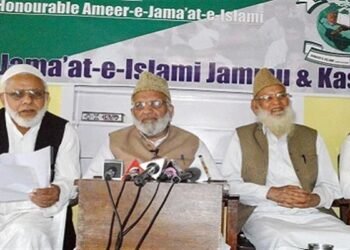
    The Indian government’s decision to extend the ban on Jamaat-e-Islami, Jammu and Kashmir (J&K), for the next five years has sparked both controversy and support across the nation. Home Minister Amit Shah announced the decision, emphasizing the government’s commitment to national security and its zero-tolerance policy towards terrorism and separatism.


    In a tweet, Shah reiterated Prime Minister Narendra Modi’s stance on combating terrorism and separatism, stating that the ban extension aligns with the government’s policy of zero tolerance against threats to the nation’s security. The ban on Jamaat-e-Islami, J&K, which has been declared an ‘unlawful association,’ comes into effect immediately.


    The decision to extend the ban was made after careful consideration of the activities of Jamaat-e-Islami, J&K, which have been deemed detrimental to India’s security, integrity, and sovereignty. The government cited 47 cases registered against the organization, highlighting its alleged connections with militant outfits and its ongoing support for extremism and militancy in Jammu & Kashmir and other parts of the country.


    Moreover, the government accused Jamaat-e-Islami, J&K, of advocating for the secession of Indian territory and supporting terrorist and separatist groups engaged in activities aimed at disrupting India’s territorial integrity. The organization’s purported involvement in articulating and promoting activities conducive to secessionist agendas further solidified the government’s decision to extend the ban.


    Praveen Vashista, Additional Secretary at the Ministry of Home Affairs, emphasized the necessity of declaring Jamaat-e-Islami, J&K, as an unlawful association, citing the organization’s activities as grounds for the decision. The government’s declaration, made under the Unlawful Activities (Prevention) Act, 1967, signifies its determination to address threats posed by extremist groups.


    The ban extension marks a continuation of the government’s efforts to counter terrorism and safeguard national security interests, particularly in regions like Jammu & Kashmir, which have been marred by conflict and unrest. By taking decisive action against organizations deemed to pose a threat to peace and stability, the government aims to maintain law and order and protect the rights and safety of its citizens.


    However, the decision to extend the ban has sparked mixed reactions, with some expressing support for the government’s proactive measures to combat terrorism, while others criticize the move as a violation of civil liberties and freedom of association. Critics argue that the ban infringes upon the rights of individuals associated with Jamaat-e-Islami, J&K, without due process or sufficient evidence of wrongdoing.


    Furthermore, concerns have been raised about the potential impact of the ban on the socio-political landscape of Jammu & Kashmir, where organizations like Jamaat-e-Islami have historically played significant roles in advocating for the rights and interests of the local population. The ban could exacerbate existing tensions and further polarize communities, leading to potential unrest and instability in the region.


    In response to the ban extension, Jamaat-e-Islami, J&K, has denounced the government’s decision, labeling it as unjust and politically motivated. The organization has vowed to challenge the ban through legal means and continue its efforts to address the grievances of the people of Jammu & Kashmir.


    The ban extension on Jamaat-e-Islami, J&K, underscores the complex challenges faced by the Indian government in addressing issues related to terrorism, extremism, and separatism. While the government’s decision reflects its commitment to national security and stability, it also raises important questions about the balance between security concerns and civil liberties in a democratic society.

    Moving forward, it is essential for the government to engage in dialogue and consultation with all stakeholders, including civil society organizations and local communities, to address the root causes of conflict and promote inclusive and sustainable solutions to the challenges facing regions like Jammu & Kashmir. Only through comprehensive and inclusive approaches can lasting peace and stability be achieved in conflict-affected areas, ensuring the protection of human rights and the rule of law.

  • Indian Government’s Tax Revenue Surges by 25%

    Indian Government’s Tax Revenue Surges by 25%

    In a year marked by a surge in investor participation in the stock market and record-breaking highs for benchmark indices, the Indian government has seen a significant increase in tax revenue from the Securities Transaction Tax (STT). According to Nitin Gupta, the chairman of the Central Board of Direct Taxes (CBDT), the Income Tax Department collected ₹25,000 crore in STT until the end of January. This amount reflects a substantial growth of 25% compared to the ₹20,000 crore collected during the same period the previous year.


    The surge in STT collection aligns with the overall trend of robust growth seen in tax collections in the fiscal year. Personal income tax collection witnessed a 26% growth from April to January, while corporate tax collection experienced an 8% growth during the same period. The significant increase in STT revenue can be attributed to the buoyant activity in the capital market, where trade quantity jumped by 52% annually, and turnover saw a 40% growth from April to January.


    The Indian stock market has been experiencing a bullish trend, with market capitalization crossing $4 trillion for the first time in December. This surge in market activity has been driven by various factors, including India’s status as the fastest-growing major economy, increased investments in infrastructure, and efforts to position the country as an alternative to China in the global supply chain.


    STT is levied on transactions involving the purchase and sale of listed securities in India. The tax rate varies depending on the instrument, ranging from 0.001% to 0.2%. STT serves as a tax collected at source, providing the government with crucial information about market transactions.


    The increase in STT collections reflects heightened trading activity, not only by foreign portfolio investors but also by domestic institutional and retail investors. This surge in participation can be attributed to factors such as increased investor confidence, improved market sentiment, and the ease of access to financial markets through digital platforms.


    In addition to STT collections, the Income Tax Department also collected ₹1,080 crore as tax deducted at source (TDS) from online game winnings during the April to January period. The online gaming sector, which witnessed a surge in popularity during the pandemic-induced lockdowns, has been experiencing rapid growth. With 425 million gamers, India has the second-largest gaming population globally, after China.


    The significant tax revenue from online game winnings underscores the growing economic significance of the gaming industry in India. Industry estimates suggest that the sector is poised to reach ₹33,243 crore in fiscal year 2028, with a compound annual growth rate (CAGR) of 15%. The gaming industry has the potential to attract foreign direct investment, create employment opportunities, and drive investments across various sectors.


    The current fiscal year has seen significant tax changes in the online gaming industry, including the removal of the threshold for TDS on winnings and the introduction of a 28% Goods and Services Tax (GST) on bets. These measures aim to streamline tax compliance and ensure that winnings from online gaming are subject to appropriate taxation.


    Looking ahead, the government remains focused on expanding the tax base and enhancing tax compliance through digitization and taxpayer-centric policies. The increasing trend of tax return filings and the widening adoption of digital platforms for tax-related transactions are expected to contribute to the long-term goal of broadening the tax base and enhancing revenue collection.


    Overall, the surge in STT collections and tax revenue from online gaming winnings reflects the vibrancy of India’s capital market and the growing economic significance of the gaming industry. As the country continues its journey towards economic recovery and growth, tax reforms and digitization efforts will play a crucial role in sustaining momentum and fostering inclusive development.

  • Women Employees Can Nominate Children for Family Pension

    Women Employees Can Nominate Children for Family Pension

    In a significant move aimed at promoting gender equity and addressing familial complexities, the Indian government has announced a groundbreaking amendment to pension rules, allowing women government employees and pensioners to nominate their children for family pension ahead of their spouses. The Department of Pensions and Pensioners’ Welfare (DoPPW) revealed the amendment to the Central Civil Services (Pension) Rules, 2021, highlighting its commitment to ensuring just and legitimate rights for women in the country.


    Previously, family pension benefits were extended primarily to the surviving spouse, and other family members became eligible only after the death of the spouse. The recent amendment marks a departure from this convention and acknowledges the evolving dynamics of familial relationships. The amendment allows female government employees or pensioners to nominate their eligible child or children to receive the family pension after their demise, in lieu of their spouse.


    Minister of State for Personnel, Jitendra Singh, emphasized the far-reaching socio-economic impact of this decision. He stated, “In a path-breaking decision with far-reaching socio-economic impact and in keeping with Prime Minister Narendra Modi’s policy to provide equitable rights to women, the government has amended the long-standing established rule, thereby granting the woman employee the right to nominate her son or daughter for family pension, instead of her husband as has been the practice so far.”


    The amendment addresses various scenarios, including situations where marital discord leads to divorce proceedings or when cases are filed under laws such as the Protection of Women from Domestic Violence Act, Dowry Prohibition Act, or the Indian Penal Code. This forward-thinking approach reflects the government’s commitment to adapting policies to contemporary societal realities.


    The DoPPW outlined the procedure for availing this provision, stating that the female government employee or pensioner must submit a written request to the concerned head of office. In the request, she should specify that the family pension should be granted to her eligible child or children in precedence to her spouse, in case of her demise during ongoing proceedings. If the female government servant or pensioner passes away during these proceedings, the family pension will be disbursed accordingly.


    The amendment ensures that if a woman employee is survived by a widower with no eligible child, the family pension will be payable to the widower. In cases where the widower is the guardian of a minor child or a child suffering from a mental disorder, the family pension will be paid to the widower as long as he remains the guardian. Once the child attains majority and remains eligible for family pension, the payment will be made directly to the child.


    The rationale behind this amendment is to offer flexibility and consideration for diverse family structures. In situations where the deceased female government servant or pensioner is survived by a widower and children who have attained majority but are still eligible for family pension, the family pension will be payable to such children.


    Minister Jitendra Singh stated that the government took this initiative in response to several representations from women officials and pensioners. These representations highlighted the need for flexibility in cases where divorce proceedings are underway or domestic violence cases are pending against the spouse. The amendment aligns with Prime Minister Narendra Modi’s policy of recognizing and honoring the just and legitimate rights of women in all sectors.


    This progressive step reflects the Indian government’s commitment to promoting gender equality and adapting policies to meet the evolving needs of its citizens. By acknowledging the complexities of modern family structures, the government is working towards creating a more inclusive and supportive environment for women employees and pensioners across the country.

  • Government to Decide on Closure of MMTC and Other PSUs

    Government to Decide on Closure of MMTC and Other PSUs

    The Indian government is expected to make a significant decision regarding the potential closure of the Metals and Minerals Trading Corporation of India (MMTC) on October 23. This action is part of the government’s new enterprise policy for Public Sector Undertakings (PSUs) operating in non-strategic sectors, as reported by The Telegraph.


    In September 2022, MMTC, along with the State Trading Corporation (STC) and Project & Equipment Corporation (PEC), lost their status as canalising agencies. The closure of STC and PEC may also be addressed during the decision-making process on October 23, according to the report.


    Notably, in August 2023, the Securities and Exchange Board of India (SEBI) revoked MMTC’s stockbroker license due to its involvement in illegal paired contracts related to the National Spot Exchange Ltd. MMTC was found to have engaged in “paired contracts” without the necessary regulatory approval.


    The New Enterprise Policy dictates that all PSUs operating in non-strategic sectors will either be privatized or closed if privatization is not a feasible option. Reports indicate that a previously approved offer for sale did not generate investor interest in MMTC.


    The decision concerning the future of MMTC will be made by the Alternative Mechanism (AM), a committee comprising Finance Minister Nirmala Sitharaman, Road Minister Nitin Gadkari, and Commerce Minister Piyush Goyal. MMTC operates under the purview of the commerce ministry.


    Currently, the government holds a 99.33 percent stake in MMTC. Previously, MMTC served as a canalising agency responsible for the import and export of high-grade iron ore, manganese ore, chrome ore, copra, and other valuable metals. At one point, MMTC was the largest non-oil importer in the country.


    In the fiscal year 2022-23, the state-run trading firm reported a profit of ₹1,076.07 crore, a significant improvement from the ₹241.93 crore loss in 2021-22.


    The fate of STC and PEC, which are also under the administrative authority of the commerce ministry, will likely be discussed in the same meeting. While the government holds a 90 percent stake in STC, it is the sole owner of PEC. STC plays a pivotal role in importing essential items for mass consumption, such as edible oils, pulses, sugar, and wheat, while PEC serves as the canalising agency for machinery and railway equipment import and export.


    The proposed closure of these entities is in line with guidelines related to the non-strategic sector.

  • Indian Government to Sell Up to 7% Stake in HUDCO via OFS

    Indian Government to Sell Up to 7% Stake in HUDCO via OFS

    The Indian government is planning to offload up to 7% stake in Housing And Urban Development Corp Ltd (HUDCO) through an offer for sale (OFS) that will take place on October 18-19, as per a regulatory filing. The floor price for the offer has been set at ₹79 per share, which is approximately 12% lower than the closing price of ₹89 on the BSE on October 17.


    This stake sale is expected to raise about ₹1,100 crore for the government, as it involves offloading approximately 14 crore shares.


    On the first day of the OFS, a total of 7 crore shares will be offered for sale, accounting for 3.5% of HUDCO’s overall stake. The base offer will be followed by an oversubscription option on the next day. The oversubscription option, known as the greenshoe option, will also comprise 7 crore shares or 3.5% stake.


    The offering will follow a schedule where the first day is reserved for retail investors, while the second day allows non-retail investors to place bids. Notably, there will be no retail discount for the offer, as clarified in the exchange filing.


    The brokers for this OFS are Elara Securities (India), IDBI Capital Markets & Securities, and SBICAP Securities. This stake sale aims to help the government achieve the minimum shareholding required for the company, in accordance with the norms established by the Securities and Exchange Board of India (SEBI). Currently, the government owns 81.8% of the housing finance company. By offloading 7% of its shares, the government’s stake will decrease to 74.8%, which is below the maximum permissible cap of 75%.


    The divestment of the stake is part of the government’s broader divestment strategy. The government has set a target of ₹51,000 crore for divesting stakes in public sector and state-owned companies in the fiscal year 2023-24. So far, in this fiscal year, it has already offloaded stake worth ₹6,950 crore.


    The OFS in HUDCO is a significant step towards achieving this divestment target and aligning with the government’s financial goals.

  • Government to Borrow ₹6.55 Trillion in Second Half of Fiscal Year

    Government to Borrow ₹6.55 Trillion in Second Half of Fiscal Year

    The Indian government has unveiled its borrowing plans for the second half of the fiscal year, with plans to borrow ₹6.55 trillion. This borrowing represents 42.45% of the government’s total gross market borrowing target for the full fiscal year, which is ₹15.43 trillion. Despite economic challenges, the government has decided to keep its borrowing plans unchanged.


    The borrowing for the fiscal year will be accomplished through the issuance of dated securities, including ₹20,000 crore to be raised through sovereign green bonds, according to a statement from the finance ministry.


    In response to market demand for longer-duration securities, the government will issue 50-year securities for the first time. This move is seen as an effort to diversify its debt offerings and cater to investors seeking longer-term investments.


    The borrowing program has been developed in consultation with the Reserve Bank of India (RBI), and the government plans to complete the borrowing for the second half of the fiscal year through 20 weekly auctions. These auctions will include a range of securities with varying maturities, such as 3-year, 5-year, 7-year, 10-year, 14-year, 30-year, 40-year, and the new 50-year securities.


    The government’s fiscal deficit target for the fiscal year 2023-24, as projected in Finance Minister Nirmala Sitharaman’s budget speech, is ₹17.86 trillion, which represents 5.9% of the nominal gross domestic product (GDP). The government has set an ambitious target of reducing the fiscal deficit to below 4.5% of GDP by fiscal year 2025-26.


    The allocation of borrowing under different maturities will be as follows:

    • 3-year: 6.11%
    • 5-year: 11.45%
    • 7-year: 9.16%
    • 10-year: 22.90%
    • 14-year: 15.27%
    • 30-year: 12.21%
    • 40-year: 18.32%
    • 50-year: 4.58%


    To smoothen the redemption profile, the government will conduct switch auctions, with ₹1 trillion budgeted for such operations. A portion of this amount has already been utilized in conducted switch auctions, and the remainder will be used in the second half of the fiscal year.


    Additionally, the government will continue to exercise a greenshoe option, allowing for an additional subscription of up to ₹2,000 crore against each of the securities specified in the auction notification.


    The government also revealed its plans for weekly borrowing through the issuance of Treasury Bills in the third quarter of fiscal year 2023-24. This includes an expected borrowing of ₹24,000 crore with a net borrowing of ₹(-)52,000 crore during the quarter.


    To address temporary mismatches in government accounts, the Reserve Bank of India (RBI) has set the Ways and Means Advances (WMA) limit for the second half of fiscal year 2023-24 at ₹50,000 crore.


    The finance ministry emphasized that the borrowing calendar is subject to change if circumstances warrant it. Both the Centre and the RBI will maintain flexibility in modifying the borrowing calendar, including adjustments to the notified amount, issuance period, maturity, and the issuance of different types of instruments based on market conditions and government requirements.

  • Banned: Veterinary Drugs Ketoprofen and Aceclofenac

    Banned: Veterinary Drugs Ketoprofen and Aceclofenac

    The central government of India issued an official gazette notification on August 1, banning the manufacture, sale, and distribution of two veterinary drugs, Ketoprofen and Aceclofenac. The ban was imposed due to concerns over potential risks to animal health and ecological damage, as reported by Mint. The ban decision came after the Union health ministry considered the harmful effects of these drugs on animals, particularly livestock.


    Ketoprofen and Aceclofenac are known for their pain-relieving properties, but their usage has been found to be harmful to livestock, particularly cattle. Moreover, these drugs have also had detrimental effects on vultures, which consume the carcasses of treated animals. Vultures that consumed these carcasses experienced increased uric acid levels, leading to fatal kidney failure, thereby disturbing the ecological balance.


    The ban was discussed during the 89th meeting of the Drugs Technical Advisory Board (DTAB), under the Central Drugs Control Standard Organization. The government’s notification stated that the use of drug formulations containing Ketoprofen and Aceclofenac is likely to involve risks to animals. Hence, it is deemed necessary and expedient in the public interest to prohibit the manufacturing, sale, and distribution of these drugs and their formulations.


    The decision to ban these drugs was made after seeking guidance from the Department of Animal Husbandry and Dairying (DAHD) and the Ministry of Agriculture. Veterinary experts pointed out that Ketoprofen and Aceclofenac had emerged as replacements in the market after the ban of Diclofenac, a similar analgesic used on livestock that was associated with toxicity.


    The use of these substances has been particularly prevalent in the states of Uttar Pradesh, Haryana, and Punjab, with limited regulatory mechanisms to prevent their misuse. Furthermore, improper carcass disposal has worsened the ecological impact of these drugs.


    By implementing the ban, the government aims to safeguard animal health and protect vultures, an essential part of the ecosystem. The prohibition on Ketoprofen and Aceclofenac is expected to have a positive impact on the environment and mitigate potential risks to wildlife caused by these veterinary drugs.

  • United States Condemns Brutal Attack in Manipur

    United States Condemns Brutal Attack in Manipur

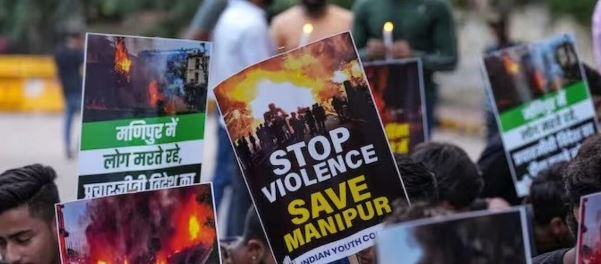
    The United States has responded to the distressing video depicting a brutal attack on two women in Manipur, expressing its support for the Indian Government’s efforts to pursue justice in the matter. A senior official from the Biden administration conveyed that they were “shocked and horrified” by the visuals of the attack. Vedant Patel, the Deputy Spokesperson of the State Department, further emphasized the US’s profound sympathies for the survivors of this heinous act of gender-based violence.


    According to a report by news agency PTI, Prime Minister Narendra Modi himself denounced such violence against women, highlighting its shameful nature in any civilized society. The US administration echoed this sentiment, endorsing a peaceful and inclusive resolution to the ongoing violence in Manipur. They encouraged authorities to address the humanitarian needs and safeguard the lives and property of all groups involved.


    The incident, which occurred on May 4, involved the naked parade and subsequent gang-rape of two Kuki women by a mob in the Thoubal district of Manipur. The video of the incident surfaced nearly two months later, leading to nationwide outrage and condemnation from Prime Minister Narendra Modi.


    The attack took place amidst clashes in Churachandpur, where the Kuki community protested against a proposal to grant scheduled tribe status to the dominant Meitei community. These clashes marked the beginning of ethnic violence in the state, resulting in over 160 fatalities and several injuries since May 3, when a ‘Tribal Solidarity March’ was organized in the hill districts to oppose the Meitei community’s demand for Scheduled Tribe (ST) status.


    In light of these developments, the Manipuri diaspora in the United States has urged for an immediate cessation of violence in the state and the imposition of President’s rule to restore law and order in Manipur. The situation remains tense, and the call for peace and justice echoes both within India and from international communities.

  • Banking Sector: From Havoc to Good Financial Health

    Banking Sector: From Havoc to Good Financial Health

    Prime Minister Narendra Modi emphasized on Saturday that the pursuit of power at the expense of national interest had severely impacted India’s banking sector during the UPA government. However, his administration successfully restored the sector’s financial health through a series of measures. Speaking at a Rozgar Mela where over 70,000 recruits received appointment letters virtually, PM Modi highlighted the banking sector’s remarkable turnaround under his government’s corrective actions. He praised the employees for their dedication in implementing various government schemes, such as providing loans under the ‘Mudra’ scheme and supporting women self-help groups.


    PM Modi pointed out the previous government’s “phone banking” scam, where large loans were granted to favorites of powerful individuals without any intention of repayment. His government, on the other hand, took decisive steps to strengthen banks’ management, merge small banks, and introduce professionalism to aid the sector. As a result, public sector banks that were once notorious for losses and non-performing assets (NPAs) are now known for record profits.


    He also highlighted how India’s growing global trust and attraction present numerous opportunities in various fields. India’s banking sector has significantly improved, a stark contrast from nine years ago when it faced destruction due to the greed for power over national interest. To protect banks from NPAs, the government implemented laws such as the Insolvency and Bankruptcy Code and took stringent actions against those involved in swindling banks.


    The prime minister assured the young recruits that their future is intertwined with the nation’s progress as it aims to become a developed country. He emphasized the rise of India’s economy under his government’s tenure, and experts predict it may soon become the third-largest global economy. This growth will generate employment opportunities across sectors and increase citizens’ income.


    PM Modi lauded the government servants’ efforts in uplifting millions of Indians from poverty through various welfare measures. He stressed the significance of the neo-middle class, which is driving the manufacturing sector with their increasing demand and aspirations. India’s young population holds great potential, and the government has focused on enhancing their skills through the establishment of more professional education institutes.


    As the nation marks a historic day when the ‘Tiranga’ was adopted in its current form in 1947, PM Modi emphasized the crucial role of government employees in shaping India’s future and eliminating poverty from the country. He expressed confidence in India’s potential to achieve monumental progress in the coming years, creating new opportunities and a prosperous future for its citizens.