Tag: Google

  • SC Dismisses MakeMyTrip’s Appeal in Trademark Dispute

    SC Dismisses MakeMyTrip’s Appeal in Trademark Dispute

    The legal battle between MakeMyTrip and Google over alleged trademark infringement through the Google Ads program reached a conclusion as the Supreme Court dismissed MakeMyTrip’s appeal on Thursday. The apex court’s decision upheld the Delhi High Court’s division bench order from December 2023, which overturned a single bench interim order that favored MakeMyTrip.


    MakeMyTrip had accused Google of benefiting its rival company Booking.com by displaying sponsored links through the Google Ads program. The travel company alleged that Booking.com gained undue prominence and benefited from MakeMyTrip’s reputation by appearing above MakeMyTrip’s links in Google search results.


    However, the Supreme Court ruled that there was no likelihood of confusion for users, as Booking.com was not encroaching on MakeMyTrip’s trademark. The court determined that users searching for MakeMyTrip’s website would not mistakenly end up on Booking.com’s platform.


    The legal dispute dates back to May 2022 when a single bench of the Delhi High Court expressed an interim view that the use of MakeMyTrip’s registered trademark as a keyword on Google Ads by a competitor like Booking.com could amount to trademark infringement. However, the subsequent division bench ruling in December 2023 overturned this interim order.


    During the proceedings in the Supreme Court, MakeMyTrip argued that Google’s display of Booking.com’s sponsored links above its own adversely affected its business interests. MakeMyTrip contended that Booking.com, by paying for these sponsored links, gained an unfair advantage and piggybacked on MakeMyTrip’s reputation.


    In response, Booking.com and Google maintained that the Google Ads program operates on an auction basis, with no preference given to any particular advertiser. They argued that MakeMyTrip’s trademark did not appear anywhere on the screen, and there was no direct association between Booking.com’s sponsored links and MakeMyTrip’s brand.


    The Supreme Court’s decision not only settles the legal dispute between MakeMyTrip and Google but also provides clarity on the use of trademarks in online advertising platforms like Google Ads. The ruling underscores the importance of demonstrating a likelihood of confusion for trademark infringement claims to succeed in such cases.


    The outcome of this case has significant implications for e-commerce companies and online advertisers, as it establishes legal precedent regarding the use of trademarks in digital marketing campaigns. Companies will need to exercise caution and adhere to established legal standards to avoid infringing on competitors’ trademarks and facing potential legal challenges.


    Overall, the Supreme Court’s dismissal of MakeMyTrip’s appeal represents a victory for Google and Booking.com in the ongoing legal battle over trademark infringement allegations. It reaffirms the principle that online advertising platforms like Google Ads operate within the bounds of trademark law and do not automatically constitute infringement based on keyword usage alone.

  • Ministry of Electronics to Issue Notice to Google Over Bias

    Ministry of Electronics to Issue Notice to Google Over Bias

    The Ministry of Electronics and Information Technology is reportedly gearing up to issue a notice to Google regarding its AI platform Gemini, amidst allegations of bias in its responses related to Prime Minister Narendra Modi, as per a report by The Indian Express.


    The Gemini AI chatbot, developed by Google, has recently faced criticism for its perceived bias against PM Narendra Modi. A user on the social media platform X raised concerns about the apparent partiality of Google’s Gemini AI tool.


    The complaint revolves around the AI model’s responses to queries about PM Modi, former US President Donald Trump, and Ukrainian President Volodymyr Zelenskyy. It was claimed that while the AI tool provided a suitable response regarding PM Modi when asked about fascism, it refused to offer a clear answer when questioned about Trump and Zelenskyy.


    This discrepancy has prompted the government to consider issuing a notice to Google. A senior government official highlighted previous instances where the Gemini AI platform had generated objectionable responses, prompting regulatory action. The recent responses pertaining to PM Modi have heightened concerns, leading to the decision to issue a formal notice.


    Union Minister Rajeev Chandrasekhar also weighed in on the matter, alleging violations of Information Technology (IT) rules and other pertinent laws. The Ministry of Electronics pointed out specific provisions that he believes have been contravened and indicated that further action would be taken by flagging the issue to both Google and the Ministry of Electronics and IT.


    In response to the growing scrutiny, Google has decided to temporarily suspend the Gemini AI chatbot’s capability to generate images of individuals. This decision comes after the tech giant apologized for inaccuracies in historical depictions created by the AI tool.


    The issue underscores the increasing importance of ensuring fairness and impartiality in AI technologies, especially those with widespread usage like Google’s Gemini AI platform. As AI continues to play a significant role in various aspects of our lives, it is crucial to address concerns regarding bias and ensure that these technologies adhere to ethical standards and regulatory guidelines.


    Moreover, the incident highlights the need for robust oversight and accountability mechanisms to address instances of bias or discrimination in AI systems. Regulatory bodies and policymakers must work collaboratively with tech companies to develop frameworks and guidelines that promote fairness, transparency, and accountability in AI development and deployment.


    As the use of AI becomes more pervasive across different sectors, it is essential to prioritize the ethical and responsible use of these technologies to safeguard against potential biases and ensure that they benefit society as a whole. By addressing these challenges proactively, we can harness the full potential of AI while minimizing any negative impacts on individuals and communities.

  • Woman Fired from LinkedIn Lands Job at Google

    Woman Fired from LinkedIn Lands Job at Google

    Fired from her position at LinkedIn in May 2023, Mariana Kobayashi’s career took an unexpected turn when she landed a job at Google with nearly double the salary after her innovative job application went viral.


    Instead of following the conventional route of submitting a traditional resume, Kobayashi opted for a creative approach to stand out in Google’s competitive hiring process. She crafted a video resume showcasing her work experience and included pre-recorded references from former colleagues and industry contacts. This unconventional application method caught the attention of both the hiring manager at Google and the online community.


    The production of Kobayashi’s video resume was meticulous, taking over 10 hours to create. She shared the video directly with the hiring manager at Google and also posted it online, where it quickly gained traction and went viral. The unique presentation of her qualifications and her willingness to address perceived shortcomings impressed recruiters and industry professionals alike.


    Despite Google initially considering her overqualified for the position she applied for, Kobayashi’s initiative and creativity earned her recognition and interest from the company. After completing three stages of interviews, she was ultimately selected as a candidate for other roles within Google.


    Reflecting on her experience, Kobayashi expressed pride in her journey and the growth it brought to her career. She emphasized that her time at LinkedIn had paved the way for personal and professional development, leading her to a more fulfilling role at Google. Moreover, she highlighted the importance of not tying self-worth to one’s job, acknowledging the valuable lessons learned throughout her job search and transition.


    Kobayashi’s success story serves as a testament to the power of creativity, perseverance, and proactive networking in navigating the competitive job market. Her willingness to think outside the box and showcase her skills in an unconventional manner ultimately opened doors to new opportunities and propelled her career to new heights.

  • Sundar Pichai Defends Chrome Browser Against Microsoft

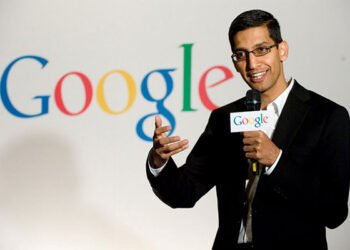
    Sundar Pichai Defends Chrome Browser Against Microsoft

    Google’s CEO, Sundar Pichai, found himself in the spotlight during an antitrust hearing in Washington, where he defended Google’s Chrome browser against Microsoft and emphasized its role in reinvigorating a stagnant market. Google’s Chrome browser has been a dominant player in the web browser market since its launch in 2008, surpassing Microsoft’s Internet Explorer.


    Pichai pointed out that at the time Chrome was introduced, the web browser market had hit a plateau. Microsoft’s Internet Explorer had enjoyed its status as the top web browser for years, but innovation and improvement had waned.


    “The browser market at the time had kind of stagnated,” Reuters quoted Pichai as saying. “They (Microsoft) were not that incented to improve the browser,” the top Google executive added. The launch of Chrome brought about a “pretty dramatic improvement” in the browser landscape.


    Sundar Pichai’s testimony was part of an ongoing antitrust case led by the United States’ Federal Trade Commission (FTC), accusing Google of violating regulations to maintain its dominance in the online search engine market and the associated online advertising sector. If Google is found guilty, it may be compelled to alter certain business practices.


    The inquiry also delved into the substantial investments made by Google to secure and preserve its dominance in the online search engine sector. Pichai faced questions regarding the strategies and measures taken by the company to stay ahead, especially in a rapidly evolving digital landscape influenced by high-tech smartphones and innovative search advertising methods.


    Google has consistently rejected the allegations of violating antitrust laws. The company asserts that it has made substantial investments to uphold its market share. Additionally, Google maintains that its revenue-sharing agreements with its stakeholders are fully compliant with the law.


    Sundar Pichai’s participation in this antitrust hearing highlights the increasing scrutiny and legal challenges faced by technology giants like Google. They are constantly under the microscope due to concerns about their market dominance and business practices. The outcome of this case may have far-reaching implications for Google, shaping its future strategies and operations.


    As tech giants continue to face intense regulatory scrutiny and legal battles, they must adapt and find innovative ways to navigate complex legal landscapes and maintain their competitive edge in the digital arena.

  • Google Paid $26.3 Billion for Default Search Engine Status

    Google Paid $26.3 Billion for Default Search Engine Status

    During the Justice Department’s antitrust trial, a senior executive at Alphabet’s Google, Prabhakar Raghavan, revealed that the tech giant disbursed a remarkable $26.3 billion in 2021 to ensure that its search engine maintained its default status on web browsers and mobile devices. This substantial payment for securing default search engine status has dramatically increased since 2014, marking a significant cost for the company.


    In 2021, Google’s revenue from search advertising reached a staggering $146.4 billion. According to Raghavan, this revenue, while substantial, was overshadowed by the colossal payments made to preserve the default setting for Google’s search engine.


    While Google has been at the center of an antitrust trial, the company has consistently asserted the legality of its revenue share agreements. Google argues that these payments are part of its strategy to keep its search and advertising businesses competitive in a dynamic market. Additionally, Google contends that users have the freedom to opt for alternative search providers if they are dissatisfied with the default setting.


    Google had initially resisted disclosing the exact figures of these payments, citing concerns about potential harm to its future contract negotiations. However, Judge Amit Mehta, who presides over the antitrust case, ruled in favor of disclosure, stating that the numbers should be made public.


    Google’s revenue share agreements and investments have been a subject of scrutiny and debate in the ongoing antitrust trial. The company’s dominance in the search engine market, its practices regarding default settings, and their impact on competition are key issues under examination.


    As the antitrust trial continues, the revelations about Google’s payments for default search engine status shed light on the financial magnitude involved in maintaining its market presence. The case holds significance in addressing competition, fair practices, and the balance of power in the digital landscape.


    Google’s arguments revolve around its position in the digital ecosystem, emphasizing that users have the option to choose alternative search providers, and that these revenue share agreements have played a pivotal role in supporting its competitive edge. The outcome of the antitrust trial will determine the implications for the tech industry and the future of search engine competition.


    Follow Us:  X (Twitter) | Google News | LinkedIn | Pinterest | Facebook | Sharechat | Kooapp | YouTube

  • Google Announces $2 Billion Investment in AI Startup Anthropic

    Google Announces $2 Billion Investment in AI Startup Anthropic

    Google is making a significant investment in the AI startup Anthropic, pledging $2 billion to support the development of advanced artificial intelligence technologies. This latest investment comes on the heels of Google’s $550 million commitment to Anthropic earlier this year. The search giant’s investment is structured as a convertible note, which allows it to convert into equity in the next round of funding.


    Anthropic, co-founded by siblings Dario and Daniela Amodei, is positioning itself as a rival to OpenAI. The company specializes in generative AI and operates a chatbot named Claude, which is similar to OpenAI’s ChatGPT.


    The collaboration between Google and Anthropic goes beyond financial support. Anthropic has also entered into a multi-year deal with Google Cloud worth over $3 billion, signaling Google’s commitment to investing in the company’s future growth.


    Anthropic’s founders, both former engineers at OpenAI, have been dedicated to the safe development of artificial intelligence. Their work led to a dispute with OpenAI CEO Sam Altman, which ultimately resulted in the launch of their own AI venture, Anthropic.


    The additional $2 billion investment from Google, combined with the earlier $550 million commitment, underscores the growing importance of AI in the tech industry. As companies like Anthropic work to push the boundaries of AI capabilities, massive investments are required for research, development, and training of advanced AI systems.


    In the ongoing race to advance AI technology, Anthropic faces stiff competition from Amazon, which had previously announced its intention to invest up to $4 billion in the startup. According to Amazon’s recent quarterly filing with the US Securities and Exchange Commission, the company has invested $1.25 billion in Anthropic, with an option to convert it into equity. Amazon also holds the ability to invest an additional $2.75 billion in a second convertible note, which will be available until the first quarter of 2024.


    Anthropic’s funding journey is marked by the involvement of notable investors, including FTX’s Sam Bankman Fried. However, following FTX’s high-profile troubles, Anthropic expanded its search for backers. This led to investments from cloud giants like Amazon and Google, alongside traditional Silicon Valley investors like Spark Capital and Menlo Ventures.


    The infusion of billions of dollars into Anthropic this year underscores the significance of AI in various sectors, from natural language processing to generative AI. It reflects the increasing focus on AI development and its potential to shape the future of technology and innovation.


    As Google, Amazon, and other tech giants continue to invest heavily in AI startups like Anthropic, the competition in the AI industry is expected to intensify, leading to breakthroughs in artificial intelligence that will redefine the way we interact with technology and the world around us.

  • SGE Now Allows Users to Create AI-Generated Images with Prompts

    SGE Now Allows Users to Create AI-Generated Images with Prompts

    Google’s commitment to advancing AI capabilities is evident with its latest feature, enabling users to create AI-generated images through its Search Generative Experience (SGE). In a bid to provide more interactive and user-friendly search options, Google is expanding the horizons of its generative AI technology.


    The Search Generative Experience is already a convenient means for users to access and obtain search results. Now, with this recent update, Google has incorporated generative AI technology within SGE to offer users the ability to generate images using prompts.


    In a blog post, Google introduced this new feature and explained how it works. Users can input prompts such as “create an image of a capybara donning a chef’s hat while preparing breakfast.” SGE will then generate up to four AI-created images based on the provided prompt. When users click on an image, Google provides a description of the generated content. Additionally, users can further enhance or refine these images by adding descriptions.


    Google has made it clear that this feature is designed to empower users and make it easy for them to experiment with different image ideas. As they put it, “Maybe you want to see the capybara chef making hash browns instead, or you want to add a light blue background with clouds. That’s an easy change!”


    To explore these image generation capabilities, users need to opt into Search Labs. Once enabled, users might encounter the option to produce AI-generated images directly within Google Images.


    One notable aspect of this announcement is Google’s response to recent concerns about AI-generated images. To address potential issues related to the authenticity and source of AI-generated images, Google has committed to incorporating metadata labeling and embedded watermarking in every AI-generated image. This labeling will clearly indicate that the image was created by AI, helping to prevent any confusion or misrepresentation.


    It’s important to note that, initially, the image generation feature is accessible only in English and within the United States. Additionally, it is restricted to users aged 18 and above who have opted into the SGE experiment.


    Google is not stopping at image generation; they are also working on a new feature called ‘About this image.’ This feature is designed to help individuals evaluate the context and authenticity of images they encounter. It will provide information such as the initial indexing date of the image, similar images, its first appearance, and its online presence.


    Google’s Search Generative Experience continues to evolve, introducing innovative features that empower users to explore AI-generated images and gain more insights into the images they encounter online. By addressing concerns about image authenticity and providing clearer labels, Google aims to enhance the user experience while promoting transparency in the use of AI-generated content.

  • Google and Apple Face Investigation by CCI

    Google and Apple Face Investigation by CCI

    India’s Competition Commission (CCI) has launched investigations into tech giants Google and Apple over allegations of unfair business practices. CCI Chairperson Ravneet Kaur confirmed these investigations, citing concerns related to specific areas of each company’s operations.


    Firstly, Google, a prominent search engine giant, is facing scrutiny over its alleged abuse of dominance in the news content space. The CCI received complaints from news publishers accusing Google of unfair practices in this sector. Additionally, Google is under investigation for potential misconduct in the smart television segment.


    Apple, a renowned manufacturer of iPhones and other consumer electronics, is also subject to a CCI inquiry. The accusations against Apple revolve around its alleged engagement in anti-competitive practices through its App Store.


    The investigations into both Google and Apple are ongoing, with the outcomes dependent on the reports generated by the CCI’s investigation arm, the Director General (DG).


    These investigations come as a continuation of a broader trend where regulatory bodies across the world are increasing their scrutiny of tech companies. Concerns regarding these companies’ market dominance, business practices, and their impact on competition have spurred regulatory actions in multiple countries.


    Google has previously faced regulatory actions from the CCI. In a notable case related to Android systems, the CCI issued a cease and desist order against Google, citing its abuse of dominant market position in that sector. Alongside the order, the regulator issued ten behavioral remedies and imposed a penalty of ₹1,337 crore on Google. The company subsequently deposited the penalty amount along with interest. The matter is currently awaiting resolution in the Supreme Court, where both Google and the CCI have submitted petitions.


    The investigations into Google and Apple reflect the growing focus on ensuring fair competition in the tech industry. These tech giants wield considerable power and influence in the digital landscape, which has raised concerns about their potential to stifle competition and harm consumers’ interests.


    In the case of Google, its dominance in the online search and advertising markets has been a subject of global regulatory attention. Authorities in various countries have investigated Google’s business practices, leading to fines and other regulatory actions.


    The scrutiny of Apple centers on its App Store, a platform through which it controls access to millions of apps on its devices. App developers have raised concerns about Apple’s fees and restrictions, arguing that they limit competition and innovation in the app ecosystem.


    As these investigations unfold, tech companies are navigating an increasingly complex regulatory landscape. The outcome of these investigations could have significant implications for the tech industry, potentially leading to changes in business practices and regulations aimed at fostering fair competition.


    The CCI’s actions against Google and Apple reflect a broader global effort to ensure that tech companies operate within the bounds of fair competition, ultimately benefiting consumers and fostering innovation in the digital economy.

  • Google to Integrate Generative AI into Virtual Assistant

    Google to Integrate Generative AI into Virtual Assistant

    Google is set to integrate generative artificial intelligence (AI) capabilities into its virtual assistant, further enhancing its ability to assist users in a variety of tasks. During the recent Made By Google event in New York, the tech giant announced its plans to leverage generative AI features from its Bard chatbot and incorporate them into Google’s virtual assistant. This integration aims to offer users personalized assistance with reasoning and generative functions directly on their mobile devices.


    The key objective of this integration is to streamline user interactions with the virtual assistant by simplifying complex tasks. Users will be able to achieve more through a series of straightforward questions posed to the assistant, which will leverage generative AI to provide relevant responses and follow-up inquiries.


    Sissie Hsiao, Vice President of Google Assistant and Bard, highlighted the potential of this approach, stating, “(A) whole task is done through a couple of simple questions that you’re asking your assistant, which is, we think, a very, very powerful concept.”


    Google is not alone in its pursuit of integrating generative AI into its products. Several other tech companies, including Meta Platforms (formerly Facebook), Amazon.com, and Microsoft, have intensified their efforts in this direction throughout the year. The competitive landscape is driving innovation and the integration of AI technologies into various aspects of virtual assistant functionality.


    The upcoming version of Google’s virtual assistant will come equipped with the ability to access a mobile phone’s camera and microphone. This capability will enable users to input images or audio to assist in answering queries, further enhancing the assistant’s utility and versatility.


    It’s worth noting that Google’s generative AI integration will not include revenue-generating functionalities initially. The company is approaching this development as a learning phase to understand how to create a compelling user experience with generative AI.


    “We want to learn how to make a great experience out of this,” explained the Google Vice President. Google plans to make this new software accessible to its trusted tester program in the near future, although a specific general release date has not been disclosed. The company is committed to making the enhanced virtual assistant available to users across different mobile platforms, including Android and Apple’s iOS operating system.


    The integration of generative AI into virtual assistants is part of a broader trend in AI development, aiming to provide more natural and intuitive interactions between users and digital assistants. As technology companies continue to refine these capabilities, users can expect increasingly sophisticated and personalized assistance in various tasks, ranging from trip planning to email management. Google’s move in this direction reflects the growing importance of AI in shaping the future of digital interactions and user experiences.

  • Microsoft CEO Satya Nadella to Testify in Google Antitrust Case

    Microsoft CEO Satya Nadella to Testify in Google Antitrust Case

    Microsoft CEO Satya Nadella is poised to testify on Monday as a key witness for the US Justice Department in the high-profile Google antitrust case, according to a court docket reported by Reuters.


    Nadella’s anticipated testimony is expected to focus on Microsoft’s efforts to expand the reach of its Edge browser and Bing search engine, particularly in the context of challenges posed by Google’s market dominance.


    In a related development, Microsoft’s Vice President of Business Development, Jonathan Tinter, took the stand in the antitrust trial on Thursday, revealing critical insights into the rivalry between the two tech giants. Tinter disclosed that a five-year truce between Microsoft and Google came crashing down in 2020, primarily due to competition in the web-search business, as reported by Bloomberg.


    One notable point of contention was Google’s insistence on the use of its search engine as the default on Microsoft’s Surface Duo smartphone in exchange for licensing the Android operating system. Google declined Microsoft’s request to feature its own search engine, Bing, instead.


    Tinter also disclosed that Google prevented Microsoft from informing users about how to change their default search engine on the device.


    In explaining the situation, Tinter stated, “Ultimately, for the Duo to be successful, we needed the license from Google. We wanted the search entry points to be Bing. They wanted the search entry points to be Google.”


    The antitrust lawsuit against Google by the US Justice Department centers on allegations that the tech giant engaged in anti-competitive practices by striking deals with companies like Apple and Verizon to ensure that its search engine is the default option on their devices, as reported by the Associated Press.


    Google’s role as the default search engine in Apple’s Safari browser dates back to 2002, and the terms of this arrangement have been revised multiple times, as noted by Bloomberg. The contract was last extended in 2021, following the initiation of the Justice Department’s case against Google.


    Google has countered the allegations by asserting that its dominance in the search engine market is a result of superior quality and performance. The company also highlights that users have the option to switch to other search engines with just a few clicks.


    The Google antitrust case represents one of the most significant legal challenges undertaken by the US Justice Department since its historic pursuit of Microsoft’s monopoly over the Windows operating system nearly 25 years ago. The case was initially filed during the Trump Administration in 2020, and the trial commenced on September 12 at the US District Court in Washington DC.

  • Judge Defends Handling of Google Antitrust Case

    Judge Defends Handling of Google Antitrust Case

    The antitrust case brought by the Justice Department against Google has raised concerns about courtroom secrecy and the lack of public access. U.S. District Judge Amit Mehta, who is overseeing the case, has faced criticism for allowing extensive sealing of courtroom proceedings, leading to questions about transparency in the landmark trial.


    Advocacy groups and news organizations have expressed frustration over the limited public access to the trial, especially during key testimonies, including those of top Apple executives. Some have accused Judge Mehta of being too accommodating to Google’s requests to seal the courtroom and protect sensitive business information.


    During a recent session of the trial, Judge Mehta defended his approach to sealing the courtroom, explaining that he relies on government lawyers and the plaintiffs to determine when closed sessions are necessary. He cited concerns about revealing confidential business information that Google seeks to keep private.


    “I’m relying largely on the plaintiffs, who represent the public interest, to let me know if you think it is objectionable to go into closed session,” Mehta said.


    The trial has brought to light the alleged anticompetitive conduct of Google, with the Justice Department arguing that the tech giant used agreements with Apple and other phone manufacturers to maintain its dominance in the search engine market. Google has defended its practices, claiming that it offers the best search engine and that its agreements allow for user choice.


    However, much of the trial has remained inaccessible to the public, leading to concerns about transparency and the public’s right to access court proceedings. The lack of public access has raised questions about the fairness and accountability of the legal process.


    While Judge Mehta acknowledged that he faces challenges in determining which business information should be sealed, critics argue that he has been overly cautious in favor of secrecy. Some believe that this cautious approach has inadvertently limited the public’s access to important trial information.


    One example cited is the testimony of Apple executive John Giannandrea, who played a significant role at Google before joining Apple. Giannandrea’s testimony was initially in open court for just 10 minutes before moving to a closed session lasting four hours.


    Advocacy groups, including the Freedom of the Press Foundation, have voiced concerns about the lack of transparency in the trial, emphasizing that the judge should balance the need for confidentiality with the public’s right to know about the proceedings. They argue that transparency is essential to maintaining public trust in the outcome of the case.


    The trial, which could have far-reaching implications for Google’s business practices and the tech industry as a whole, continues to be closely watched, with stakeholders advocating for greater transparency and openness in the courtroom.