Tag: Go First

  • NCLT Grants Go First 60-Day Moratorium Extension

    NCLT Grants Go First 60-Day Moratorium Extension

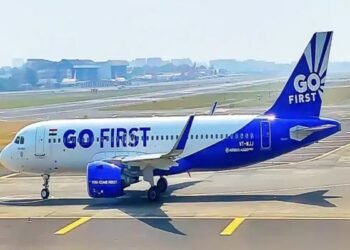
    In a significant development for the bankrupt airline Go First, the National Company Law Tribunal (NCLT) has granted a 60-day extension for its moratorium, extending the timeline for its corporate insolvency resolution process (CIRP). The decision aims to provide the airline with additional time to finalize its resolution process, as it seeks to navigate through the challenges posed by its financial distress.


    This extension, stretching from February 4 to April 4, effectively extends Go First’s timeline to 330 days to complete its resolution process, with over 270 days already spent under CIRP. The resolution professional (RP) overseeing Go First’s case informed the court that the airline has received interest from three potential buyers, all of whom have already deposited funds. This prompted the request for more time to seal the deal and move forward with the resolution process.


    The unanimous agreement of Go First’s creditors to seek this extension underscores the importance of providing the airline with the necessary breathing space to explore viable options for its revival. Under the provisions of the Insolvency and Bankruptcy Code (IBC), the NCLT has the authority to grant such extensions if deemed necessary, especially when there is tangible progress in the resolution efforts.


    It’s worth noting that this extension comes after Go First completed its initial 90-day extension, which expired on February 4. While this extension provides the grounded airline with more time for revival, it presents challenges for aircraft lessors who have been seeking to repossess their planes through various court orders. The extension complicates matters for them, as they navigate through the legal complexities of the insolvency proceedings.


    Go First’s bankruptcy, declared in May 2023, stemmed from engine failures attributed to Pratt & Whitney. Since then, the airline has faced numerous hurdles, including disputes with lessors and frequent changes in the NCLT’s hearing schedules. The prolonged legal and administrative battles have kept the airline grounded, exacerbating its financial woes and uncertainty about its future.


    Despite these challenges, there is a glimmer of hope on the horizon. Potential buyers, including SpiceJet’s Ajay Singh, Sky One from Sharjah, and the lesser-known Busy Bee, have expressed interest in acquiring Go First and have taken formal steps towards acquisition by submitting the necessary bank guarantees. This signals a positive development for the airline, as it explores options for restructuring and revival under new ownership.


    However, the road ahead remains uncertain, and Go First’s future hinges on the successful conclusion of the resolution process. With no clear resolution plan in sight after spending over 270 days in insolvency, the airline faces a critical juncture in its journey towards revival. The coming weeks will be crucial as stakeholders work towards finding a viable path forward for the airline.


    The decision to grant the moratorium extension underscores the NCLT’s commitment to facilitating the resolution process and ensuring a fair and transparent outcome for all stakeholders involved. It provides Go First with the necessary time and space to explore potential restructuring options and finalize a resolution plan that safeguards the interests of creditors, employees, and other stakeholders.


    As Go First continues to navigate through the complexities of its insolvency proceedings, stakeholders remain hopeful that a favorable resolution will emerge, paving the way for the airline’s revival and eventual return to the skies. The coming months will be pivotal in determining the fate of Go First and shaping the future of the aviation industry in India.

  • Govt. May Issue Directive on Go First Lessors’ Asset Reclamation

    Govt. May Issue Directive on Go First Lessors’ Asset Reclamation

    The government is considering issuing a directive to clarify whether Go First lessors can reclaim their planes and engines following recent changes in the Insolvency and Bankruptcy Code (IBC), as per the Ministry of Corporate Affairs. The government’s counsel informed the Delhi High Court of this during proceedings. Legal opinions on the matter have been accompanied by various disclaimers, leading to the need for a clear resolution through an executive direction.


    The resolution professional (RP) responsible for overseeing Go First’s insolvency argued that the changes in the IBC are a notification and not an amendment. The RP suggested that the Delhi High Court is not the appropriate forum for lessors to address these changes. Instead, they should approach the National Company Law Tribunal (NCLT) to determine whether the moratorium order issued on 10 May still applies following the new notification. The lessors have asserted that they can repossess their aircraft from Go First due to the new notification’s replacement of the moratorium.


    The new directive announced on 3 October specify that Section 14(1) of the IBC, which imposes a moratorium on insolvency proceedings, no longer applies to transactions, arrangements, or agreements concerning aircraft, aircraft engines, airframes, and helicopters. Go First’s lessors are leveraging this amendment in tribunals and courts to reclaim their assets from the airline. However, delays could occur due to changes in the composition of the NCLT bench handling the case.


    In a related matter, the same single bench of the High Court directed Go First’s Resolution Professional to provide essential aircraft documents to its lessors within seven days. These documents include records of engine parts removal, airframe details, storage information, historical data, online records, and any documents related to the airworthiness of the aircraft.


    The court also allowed lessors to maintain 24-hour security services to protect their aircraft at their own expense, citing evidence of “cannibalization” of the aircraft.


    An interim order in July allowed lessors to inspect the grounded planes, a decision that was upheld by a division bench of the High Court and later by the Supreme Court.


    Jindal Power, owned by billionaire Naveen Jindal, has expressed interest in Go First. However, this bid is primarily aimed at exploring the potential of the company and the industry, and it may not necessarily result in an acquisition of the grounded airline.

  • Go First Cancels All Flights Until 20th November for Reasons

    Go First Cancels All Flights Until 20th November for Reasons

    Go First, formerly known as GoAir, has recently made headlines with the announcement that it will be canceling all its flights until 20th November due to operational reasons. This decision has raised concerns among passengers and industry observers and is indicative of the challenges that the airline has been facing in recent times.


    The airline, which has been grappling with various issues, chose to suspend its operations temporarily to address these challenges. The move follows a series of operational disruptions and financial woes that have plagued Go First.


    One of the primary issues contributing to this decision is financial distress. Go First has been facing financial challenges primarily stemming from problems related to the Pratt and Whitney engines used in its fleet. The airline was compelled to ground several of its aircraft due to concerns over the reliability of these engines. This not only led to a reduction in its operational capacity but also incurred substantial costs for maintenance and replacement.


    To mitigate these financial issues, Go First took the path of filing for insolvency. The National Company Law Tribunal (NCLT) approved the airline’s plea for insolvency back in May, a move that effectively suspended the airline’s board and management control. However, the insolvency proceedings have yet to yield a comprehensive solution, and the airline continues to grapple with financial instability.


    Additionally, the recent changes to the Insolvency and Bankruptcy Code (IBC) have introduced some complexities for the airline and its lessors. These changes, effective from 3rd October, exempt deals related to aircraft, engines, airframes, or helicopters from the moratorium on insolvency proceedings. This means that Go First’s aircraft lessors have the legal avenue to seek repossession of their assets.


    While this offers a potential solution to the lessors and a path to repossess their aircraft and engines, the process may not be straightforward. Legal proceedings and negotiations with the airline could lead to delays in the repossession process, and it remains to be seen how these issues will be resolved in practice.


    The decision to suspend all flights until 20th November raises concerns for the passengers who had bookings during this period. Go First has expressed its regret and has promised to assist affected passengers as they grapple with the inconvenience caused by these flight cancellations. The airline is committed to providing support to its passengers during this challenging time.


    Furthermore, the airline has expressed its intention to resume operations once the current issues are resolved. Go First has filed an application for the immediate resolution and revival of its operations, which is an indication of its commitment to providing a sustainable solution and returning to normalcy.


    Go First’s decision to temporarily halt its operations highlights the challenges that airlines have faced in the wake of the COVID-19 pandemic and the broader economic implications. The aviation industry has been particularly vulnerable to the impact of the pandemic, which led to a dramatic reduction in travel and passenger numbers.


    As Go First navigates these issues, it remains to be seen how it will address its financial woes and regain its operational strength. Passengers and industry observers will be watching closely to see how this situation unfolds and whether Go First can emerge stronger from these challenges.

  • Changes at NCLT Could Further Delay Go First’s Return

    Changes at NCLT Could Further Delay Go First’s Return

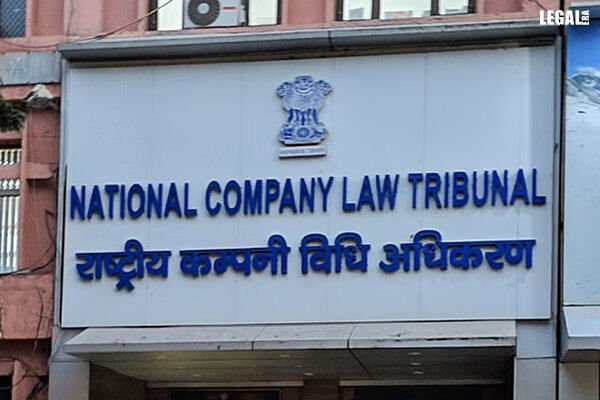
    The path to Go First’s return to operations faces further hurdles due to a recent administrative change at the National Company Law Tribunal (NCLT) overseeing the case. This change involves the original bench responsible for addressing the legal challenges brought by aircraft lessors, who have now chosen to recuse themselves from the case. Consequently, a fresh bench must be appointed by the NCLT president, potentially causing additional delays in Go First’s resolution process.


    The original bench, consisting of Justice Mahendra Khandelwal and Technical Member Rahul Prasad Bhatnagar, is considered “part-heard.” However, they are unable to rule on new filings. This means that all parties involved, including the airline’s resolution professional (RP) and the lessors, will need to re-present their cases to the newly-appointed bench once it is constituted.


    This administrative hurdle presents challenges for both Go First’s future and the lessors, raising the prospect of extended delays in resolving the airline’s complex situation.


    One of the legal counsels representing the lessors expressed dissatisfaction with this delay. It is important to note that neither the lessors nor the airline desire a prolonged legal process. They are keen to recover their valuable aircraft and engines while the airline seeks a revival.


    Unfortunately, the exact reason for the bench change has not been provided, as the notification did not offer specific explanations. While the National Company Law Appellate Tribunal (NCLAT) has encouraged the NCLT to prioritize the case, it has not set a specific deadline for its resolution.


    Since Go First entered insolvency proceedings and a moratorium was imposed in May, the case has already been heard by two different benches. This highlights the administrative complexities and challenges faced by applicants in insolvency cases when benches are frequently reconstituted.


    Furthermore, Go First’s future remains uncertain in the Delhi High Court (HC), where a single bench is currently overseeing all parties involved in the deregistration case of the aircraft initiated by the lessors. Although the Delhi HC has reserved its judgment in the maintenance case filed by three lessors, it is expected to issue a ruling in the coming weeks.


    The administrative change at the NCLT overseeing Go First’s case introduces additional uncertainties and potential delays. While all parties involved are eager to expedite the resolution process and address their respective concerns, the frequent reconstitution of benches and the evolving legal landscape continue to pose challenges. Go First’s return to operations and the resolution of its complex financial situation remain subject to these ongoing legal developments.

  • Go First’s Revival Plan Hindered by Aircraft Availability

    Go First’s Revival Plan Hindered by Aircraft Availability

    The future of Go First, the airline owned by the Wadia Group, faces uncertainty as Go First’s new management, operating under a resolution professional (RP), struggles to secure funds from banks. Despite approvals from the aviation regulator Directorate General of Civil Aviation, the RP, Shailendra Ajmera, has been unable to raise the necessary funds due to concerns over aircraft availability. This setback raises questions about the airline’s ability to successfully return to operations.


    The Committee of Creditors (CoC) had directed the RP to approach banks with a revival plan that would raise approximately ₹450 crore. This plan was approved by the CoC, which also allowed the RP-led management to engage with banks that are part of the committee. However, the availability of aircraft became a critical hurdle due to a Delhi High Court order that granted lessors the right to inspect the aircraft leased to Go First for maintenance and inspections.


    The Directorate General of Civil Aviation had previously approved Go First’s plan to restart operations with a fleet of 15 aircraft and 114 daily flights, subject to specific conditions. However, the RP’s inability to guarantee aircraft availability has hindered the fundraising efforts and delayed the airline’s resumption process. Without access to operational aircraft, the airline’s revival plan remains uncertain.


    The issue of aircraft availability emerged after a single judge bench of the Delhi High Court granted aircraft leasing companies access to inspect and maintain the leased aircraft. Despite multiple attempts by Go First to overturn the order by appealing to higher courts, the airline has been unsuccessful in obtaining relief. The single judge bench is scheduled to resume hearings on the case from August 17, with the outcome pivotal to the airline’s ability to restart operations.


    In the midst of these challenges, Go First has sought immediate financial support from the CoC, requesting an infusion of ₹100 crore. This injection of funds would enable the airline to meet its insurance and statutory obligations. The airline’s fate now hinges on the court’s decision regarding aircraft inspections and maintenance, as well as its ability to secure the necessary funds for revival.