Tag: Flight Delay

  • Hoax Bomb Threat Delays IndiGo Flight at Mumbai Airport

    Hoax Bomb Threat Delays IndiGo Flight at Mumbai Airport

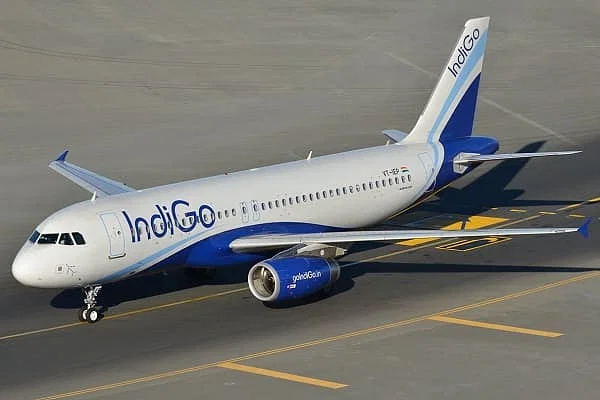
    In a recent incident at Mumbai airport, an IndiGo flight bound for Lucknow faced delays after a passenger claimed there was a bomb under his seat. The incident occurred on the evening of January 26, when security agencies were on high alert due to Republic Day celebrations. The Mumbai police reported that the man, a 27-year-old passenger onboard IndiGo flight 6E 5264, made the bomb claim, triggering a comprehensive check of the aircraft.


    Authorities promptly responded to the situation, with a team of Mumbai Police rushing to the spot. The security agencies conducted a thorough investigation of the plane to ensure the safety of all passengers and crew. Fortunately, no suspicious objects were found during the inspection, and it was determined to be a hoax.


    The 27-year-old passenger was subsequently detained by Mumbai police, and charges were filed against him under sections 506(2) and 505(1)(B) of the Indian Penal Code (IPC). The police are now investigating the motive behind the false bomb threat.


    Hoax bomb threats on flights are taken extremely seriously, as they not only disrupt air travel schedules but also pose a significant risk to the safety and security of passengers and crew. Such incidents trigger comprehensive security protocols to ensure that any potential threat is thoroughly investigated.


    This unfortunate incident is not an isolated one, as there have been cases in the past where individuals have made false bomb threats or engaged in disruptive behavior on flights. In a separate incident, a resident of Noida recently made a hoax bomb threat to a SpiceJet flight from Darbhanga to Delhi. The individual reportedly wanted to delay the flight because he was running late. The flight landed safely in Delhi, and the aircraft was moved to an isolated bay for investigation. The accused in this case is also facing legal consequences under relevant sections of the IPC.


    Making false bomb threats or engaging in disruptive behavior on an aircraft is a criminal offense that can lead to severe consequences, including imprisonment and fines. Beyond the legal ramifications, such actions can result in significant disruptions for airlines, passengers, and airport authorities.


    Air travel security is of utmost importance, and any potential threat is treated with the highest level of seriousness. Hoax bomb threats not only cause delays and inconvenience but also divert valuable resources from security personnel who must ensure the safety of passengers and maintain the integrity of air travel operations.


    Passengers are reminded to adhere to all safety and security protocols while traveling by air. Any suspicious behavior or claims that could compromise the safety of a flight should be reported immediately to the airline staff or relevant authorities. Additionally, making false bomb threats is a criminal act that undermines the trust and reliability of the aviation industry.


    As investigations into such incidents unfold, authorities work to identify the motivations behind these actions. Whether driven by personal grievances, mental health issues, or other factors, individuals who engage in disruptive behavior on flights must be held accountable for their actions to maintain the safety and security of air travel.


    The recent hoax bomb threat on the IndiGo flight at Mumbai airport highlights the serious consequences of false claims related to aviation security. As the investigation progresses, it serves as a reminder of the need for stringent security measures and the importance of swift and decisive actions to address such incidents and ensure the safety of air travel.

  • Indigo Flight: Passenger Assaults Pilot

    Indigo Flight: Passenger Assaults Pilot

    A recent incident aboard an IndiGo flight has sparked controversy as a passenger assaulted co-captain Anup Kumar during an announcement about a delay in takeoff at Delhi airport. The shocking incident was captured on video and shared on a microblogging site, drawing attention to issues beyond the assault itself.


    A co-passenger, who witnessed the events unfold, shared a first-hand account on social media. He clarified that he does not support violence but felt compelled to share his experience to shed light on the incidents leading up to the assault.


    According to the co-passenger’s account, the flight, identified as 6E2175, faced multiple delays before eventually departing at 5:35 PM, despite being scheduled for takeoff at 7:40 AM. Boarding, initially delayed by five hours due to bad weather, commenced around 12:20 PM. The delay, coupled with ground staff attributing the situation to air traffic control (ATC) congestion, set the stage for passenger frustration.


    The co-passenger highlighted that despite completing boarding by approximately 12:40 PM, the flight doors remained open until 2:50 PM. Ground staff cited ATC clearance issues, adding to the confusion. The situation worsened as passengers, including infants, young children, and elderly individuals, faced prolonged delays without clear communication.


    As the delayed crew member arrived at 2:40 PM, the doors finally closed. However, the plane did not push back immediately, prompting inquiries and a verbal altercation between passengers and crew members. The co-passenger emphasized that requests from elderly passengers for water were ignored, further fueling the tense atmosphere.


    The assistant captain addressed passengers around 3:20 PM to explain the delay, and it was during this announcement that the assault occurred. While condemning violence, the co-passenger raised concerns about IndiGo’s mismanagement, unprofessional conduct, and the ordeal faced by 185 passengers without food for hours.


    The incident prompts broader questions about the airline’s responsibility in managing delays, communicating effectively, and ensuring the well-being of passengers. The co-passenger questioned whether authorities should investigate IndiGo’s handling of the situation, highlighting the need for accountability and measures to prevent such incidents from recurring.


    In response, Civil Aviation Minister Jyotiraditya Scindia emphasized that unruly passenger behavior is unacceptable. IndiGo, in a statement, declared the passenger as ‘unruly’ and is considering placing him on the no-fly list for up to 30 days. The airline reiterated its commitment to passenger and crew safety, maintaining a zero-tolerance policy for such behavior.


    The incident aboard IndiGo flight 6E2175 opens up discussions about the challenges airlines face in managing delays and ensuring passenger comfort. It also underscores the importance of addressing passenger grievances, maintaining transparency, and fostering a safe and secure travel environment. As authorities investigate the incident, it remains to be seen how airlines adapt their protocols to prevent similar occurrences and uphold their commitment to passenger satisfaction and safety.

  • Inflight Confrontation Over Seating Leads to 3 Hour Delay

    Inflight Confrontation Over Seating Leads to 3 Hour Delay

    The aviation industry is experiencing more than just weather-related turbulence, as professionals grapple with a series of challenges. In the latest incident, a confrontation aboard a flight in China led to a three-hour delay and disruptions for 300 passengers, further emphasizing the difficulties faced by aviation professionals in maintaining order and comfort in the skies.


    The incident unfolded on a flight from Beijing to Chengdu in the southwestern province of Sichuan on December 30, as reported by the South China Morning Post. The disruption was triggered by an irate passenger, Mr. Zhao, who had purchased two first-class seats but insisted on receiving three.


    Mr. Zhao engaged in a heated argument with both the cabin crew and fellow passengers, pressing for a complimentary upgrade for a family member from economy class. A video captured by another passenger vividly portrays the intense confrontation, with Mr. Zhao expressing frustration and anger while those around him attempt to mediate the seating dispute.


    The origin of the altercation traces back to Mr. Zhao’s two-year-old son, initially seated in economy class, who began crying during the flight. The passenger demanded that the cabin crew upgrade his child’s seat to first class. However, when his request was declined, Mr. Zhao’s agitation escalated.


    Despite explanations from the cabin crew regarding the airline’s policy, Mr. Zhao remained unwavering in his belief that he was entitled to an upgrade due to purchasing two first-class tickets. The dispute intensified, involving security personnel, flight attendants, and fellow passengers. Ultimately, the incident resulted in a three-hour delay, causing 300 individuals to rearrange their travel plans.


    This inflight confrontation adds to the recent challenges faced by aviation professionals globally, with disruptive behavior and confrontations becoming more prevalent. The industry continues to grapple with striking a balance between ensuring the safety and comfort of passengers and addressing the unique issues arising from inflight disputes and disruptions. As incidents of this nature persist, airlines and aviation authorities must explore effective measures to handle such situations and maintain the integrity of air travel.

  • Passenger Jumps from Air Canada Plane’s Cabin Door

    Passenger Jumps from Air Canada Plane’s Cabin Door

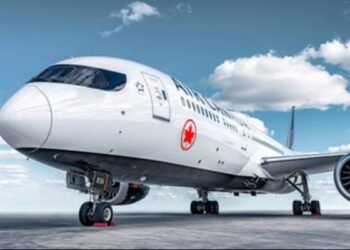
    In a highly unusual and alarming incident, a passenger onboard an Air Canada flight took a drastic step by jumping off the plane through the cabin door before it was set to take off for Dubai. The incident occurred at Toronto Pearson International Airport on January 8, causing a significant disruption and nearly a six-hour delay in the flight’s departure.


    According to reports, the passenger initially boarded the aircraft normally but later opened the cabin door instead of taking his seat. The individual fell approximately 20 feet to the tarmac, sustaining injuries in the process. Emergency services, including the Peel Regional Police, were promptly called to the scene to attend to the injured passenger and address the situation.


    The incident has triggered an investigation by Air Canada, with a spokesperson for the airline confirming that all approved boarding and cabin operating procedures were followed. The nature and extent of the injuries sustained by the passenger remain unknown at this time. It is also unclear whether the disruptive passenger was subsequently arrested for his actions.


    The disruptive incident not only posed a threat to the individual involved but also resulted in significant operational challenges for Air Canada. The Boeing 747’s takeoff was delayed by nearly six hours as airline staff attended to the injured passenger, conducted necessary investigations, and addressed the aftermath of the incident.


    A spokesperson for Air Canada, speaking to Global News, provided assurance that an investigation into the incident is actively underway. The airline is working in collaboration with relevant authorities to understand the circumstances surrounding the passenger’s actions. The Greater Toronto Airports Authority has also acknowledged the incident, stating that they worked with the airline, Peel Regional Police, and Peel EMS to provide support and determine immediate needs.


    This incident comes on the heels of another peculiar case involving an Air Canada flight, where a 16-year-old passenger reportedly attacked a family member. The incident occurred on Air Canada Flight 137 en route from Toronto to Calgary. According to the Royal Canadian Mounted Police, the Winnipeg Richardson International Airport was notified of an aircraft diversion to Winnipeg due to “an unruly passenger on board who had assaulted a passenger.”


    The 16-year-old passenger was restrained by fellow travellers and airline staff. The family member who was assaulted received treatment for minor physical injuries during the flight. The teenager was subsequently detained and transferred to the hospital for a medical examination. The motive behind the attack remains unclear.


    These incidents underscore the challenges airlines face in managing disruptive behavior and ensuring the safety and well-being of passengers and crew. While rare, such occurrences necessitate thorough investigations and, in some cases, diversions or delays, impacting the overall travel experience for passengers.


    As the investigations unfold, Air Canada and other airlines will likely assess their protocols and procedures to enhance security measures and address potential vulnerabilities in the boarding and in-flight environments. Passengers and crew alike depend on the vigilance of airline staff and the collaboration of law enforcement to maintain a secure and orderly travel experience. The incidents also highlight the need for continued efforts to raise awareness about appropriate conduct and the consequences of disruptive behavior during flights.

  • Dubai-bound Air India Express Flight Delayed

    Dubai-bound Air India Express Flight Delayed

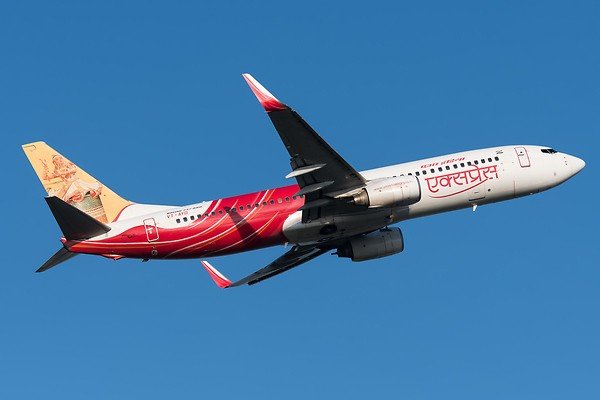
    A Dubai-bound Air India Express flight, identified as IX 345, faced significant delays attributed to technical issues, resulting in an inconvenience for passengers. The flight was originally scheduled to take off from Kerala’s Karipur International Airport, situated in Kozhikode district. However, due to unexpected technical snags, the flight encountered a substantial 11-hour delay, ultimately departing from Thiruvananthapuram at 7:06 PM instead of the initially planned 8:30 AM departure time.


    The flight had a passenger capacity of 180 individuals and was initially intended to depart from Karipur International Airport. However, around 2:45 PM, passengers were asked to board the same aircraft, this time bound for Thiruvananthapuram International Airport. Upon reaching Thiruvananthapuram, passengers and their belongings were smoothly transferred to an alternate aircraft, which eventually took off for Dubai at 7:06 PM.


    Air India Express, the airline responsible for the flight, issued a sincere apology to the passengers affected by the unforeseen technical delay. The airline clarified that the aircraft had been held at Kozhikode Airport for a few hours to address the technical issue at hand. In alignment with their commitment to passenger safety, the airline chose to reschedule the flight, arranging for an alternative aircraft and rerouting the journey via Thiruvananthapuram. The passengers were extended the courtesy of food and refreshments during the delay period.


    In a separate development within the aviation realm, the Ambassador of Cambodia to India, Kuong Koy, engaged in discussions regarding the potential commencement of direct flights between India and Cambodia in early 2024. The Ambassador underscored the strong bilateral cooperation that characterizes the relationship between the two countries. He emphasized the positive diplomatic ties and mutual support shared across various contexts, highlighting the possibility of facilitating more direct air travel options for enhanced connectivity between India and Cambodia.