Tag: finance

  • Digital Gold vs Physical Gold : Which is Better

    Digital Gold vs Physical Gold : Which is Better

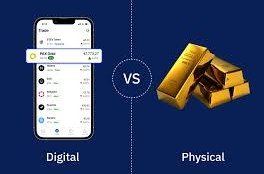
    In today’s investment landscape, gold remains a trusted asset for Indian investors. Traditionally, physical gold as jewelry or coins has a popular choice for wealth preservation and growth. Digital gold is a modern alternative that’s gaining an advantage. It allows investors to buy, sell, and store gold online without any hassle. While physical gold has drawbacks like storage and handling, digital gold is popular for the ease it provides.


    Digital Gold vs Physical Gold: Which is Better

    Physical gold offers ownership in coins or jewellery and acts as a hedge against inflation. It offers liquidity but requires safe storage and insurance, and in some cases, high making charges. Often times, buyers may face issues like a high initial investment amount, risk of theft, and lack of physical documentation about purity or hallmarks.

    Digital gold provides a modern means to invest in gold online using apps and websites. It enables investors to buy small quantities of gold without physically securing it themselves. With real-time pricing that reflects the market price of physical gold as well as easy liquidity, digital gold suits tech-savvy investors.


    Here is a quick comparison between the two:

    Parameters Physical Gold Digital Gold
    Accessibility Requires buying in fixed quantities like 10g or more Can invest fractionally with as little as Rs. 100
    Price Homogeneity Differs by cities, stores, and sellers when it comes to jewellery Prices may vary across platforms, but are linked to live market prices
    Additional Costs Making charges add 20-30% to the actual gold price, and 3% GST is the norm Only 3% GST is charged on the purchase
    Storage Requires physical storage at secure vaults, bank lockers, or at home Stored safely in secure vaults as per the provider on behalf of the buyer
    Taxes on Gains from Selling Gold Gains are taxed based on slab rates if gold is held for less than 3 years and at 20.8% if held for more than 3 years The same tax laws apply to digital gold as physical gold
    Ease of Buying and Selling Can be sold through jewellers or personal connections and bought from banks, non-banking financial institutions, Indian Government mint sales offices, and jewellers Can be bought online at any time and redeemed as physical gold or sold on the app or website
  • Transparency in Personal Loan Fees and Charges : What You Should Know

    Transparency in Personal Loan Fees and Charges : What You Should Know

    Personal loans have emerged as a popular choice for individuals seeking quick access to funds for a diverse range of reasons. Many financial institutions these days offer collateral-free personal loans, at competitive interest rates, making them easily accessible for people from all walks of life. However, with the convenience of these loans comes the importance of understanding the associated fees and charges. To ensure informed decision-making, borrowers should be aware of the factors that determine the fees and charges of personal loans.


    Things to Understand About Personal Loan Fees and Charges

    Discussed below are a few things that applicants must understand about the interest rates, and fees and charges of personal loans to make an informed borrowing decision.


    1. Interest Rates :

    Annual Percentage Rate (APR) : The APR represents the total cost of borrowing, including interest and other fees. Compare APRs from different lenders to identify the most affordable option.


    2. Processing Fees :

    One-Time Charge : Processing fees are typically a one-time charge levied by lenders to cover administrative costs associated with processing the loan application.

    Percentage of Loan Amount : Depending on the financial institution’s policies, processing fees can often be expressed as a percentage of the loan amount.


    3. Prepayment Charges:

    Penalty for Early Repayment: Some loan providers may impose prepayment or foreclosure charges if you decide to repay the loan before the scheduled term. Discuss with your loan provider to gain a holistic picture of these charges.

    Check for Waiver Options: Enquire about any waiver options or conditions for prepayment charges.


    4. Late Payment Fees :

    Penalty for Missed Payments: Late payment fees are incurred when you fail to make a payment on the due date.

    Impact on Credit Score: Late payments can negatively impact your credit score. Enable auto-debit options to avoid late payments and therefore, negatively affecting your credit score.


    5. Other Charges :

    Documentation Charges: These fees may be charged for document verification and processing.

    Stamp Duty: In some jurisdictions, stamp duty may be applicable on loan agreements.


    Conclusion :

    By understanding the various fees and charges associated with personal loans, borrowers can make informed decisions and choose the most suitable loan option for their financial needs. With personal loans becoming increasingly simple to apply and be sanctioned for, understanding the fees and charges associated with them is non-negotiable. Comparing the loan products from different lenders can help you make a wise choice and apply for the loan that suits your financial profile the best.