Tag: Electric Vehicles

  • Nickel Market in Chaos: Prices Crash

    Nickel Market in Chaos: Prices Crash

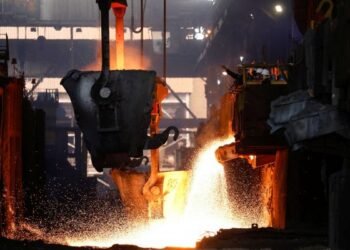
    In a surprising turn of events, the nickel market, once considered a key pillar of growth for major mining companies like BHP Group, is now in a state of chaos. The euphoria around nickel, driven by its crucial role in electric vehicle (EV) batteries, has given way to a supply glut, collapsing prices, and a potential reshaping of the global nickel industry.


    Just 18 months ago, BHP Group was riding the nickel frenzy, striking a deal with Tesla Inc. to supply the essential ingredient for EV batteries. Nickel was seen as a future-facing commodity, aligning with BHP’s strategy to offset its exit from fossil fuels and tap into the growing demand driven by the global push to decarbonize.


    However, the nickel market dynamics have swiftly shifted, primarily due to a flood of new supply from Indonesia. This surge in supply is a result of substantial Chinese investment and significant technological breakthroughs. The Indonesian expansion focused on low-grade nickel production has created a surplus, but innovative processing methods have refined this glut into a high-quality product that is saturating the battery market.


    As a consequence, nickel prices have crashed over 40% from a year ago, presenting significant challenges to an industry already grappling with weak demand and concerns about China’s economic stability. According to Macquarie analysts, over 60% of the global nickel industry is currently operating at a loss at these prices.


    The magnitude of the collapse has raised doubts about the future viability of most nickel mines outside Indonesia. This situation has also intensified concerns among US and European policymakers about China’s dominance in key commodities, with Chinese companies leading much of Indonesia’s nickel production.


    Tom Price, Head of Commodities Strategy at Liberum Capital Ltd., highlighted the vulnerability of high-cost nickel assets, stating that mines in Western Australia and the French territory of New Caledonia are likely to be the most at risk.


    In New Caledonia, once considered a future hub for nickel production, the French government has intervened to prevent essential mines and plants from closing, recognizing their significance to the territory’s economy. Talks are underway with key shareholders of processing plants to secure a rescue deal, but no breakthrough has been achieved so far.


    Australia, too, has not been immune to the challenges in the nickel market. BHP is currently reviewing the future of its flagship Nickel West mine in the country. Panoramic Resources Ltd. has suspended a key mine after entering voluntary administration, and several other mining operations, including those by IGO Ltd. and Andrew Forrest’s Wyloo Metals Pty Ltd., are facing closures.


    The mining industry in Western Australia has turned to officials for assistance. Miners have requested tax credits for downstream processing during a crisis meeting, seeking government support to navigate the challenging market conditions.


    Despite production cutbacks starting to impact the industry, immediate relief for nickel prices appears unlikely. Allan Ray Restauro, an analyst at BloombergNEF, anticipates that the flood of supply from Indonesia will continue to exert downward pressure on prices in 2024.


    The Indonesian production boom, accounting for half of the global nickel supply, may prove resistant to output cuts. The nation has become a global nickel hub, attracting substantial investment in efficient plants benefiting from low-cost labor, inexpensive power, and readily available raw materials.


    However, concerns have arisen about the environmental impact of Indonesia’s rapid expansion, with much of its production relying on coal-powered energy, resulting in higher emissions per ton compared to rival producers. The deforestation associated with this expansion has also drawn criticism.


    Mining companies, including BHP, had hoped that buyers paying a premium for so-called green nickel would help lift prices. However, the reality has been different, with automakers remaining content to buy Indonesian nickel.


    The future of nickel mines globally now hinges on a sustained recovery in nickel prices. As Tom Price from Liberum Capital emphasizes, only a revival in nickel demand can potentially prevent further mine closures and project shutdowns. The industry is in a delicate balancing act, grappling with the aftermath of an unforeseen supply surge and seeking a path forward in an evolving nickel market.

  • Elon Musk Warns of Chinese Automakers’ Global Dominance

    Elon Musk Warns of Chinese Automakers’ Global Dominance

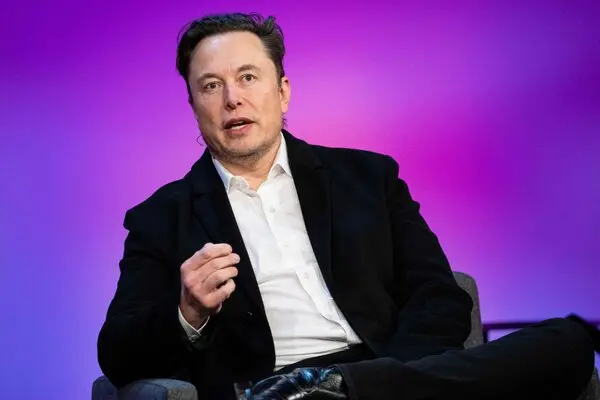
    In a recent statement on January 24, Tesla CEO Elon Musk expressed concerns about the growing dominance of Chinese automakers, asserting that they could “demolish” global rivals if trade barriers were removed. Musk’s comments follow the recent success of Warren Buffett-backed BYD, which surpassed Tesla as the world’s top-selling electric vehicle (EV) company in the last quarter. Despite Tesla’s significant price reductions in 2023, BYD’s more affordable models and diverse lineup contributed to its achievement.


    Elon Musk emphasized that Chinese car companies are the “most competitive” globally and could achieve substantial success outside China if trade barriers were not in place. He praised them as “extremely good,” acknowledging their potential to outshine most global counterparts. The Chinese foreign ministry, in response to Musk’s comments, expressed unawareness of the reports but emphasized the importance of maintaining a fair, just, and open business environment during a regular briefing on January 25.


    The Tesla CEO has previously voiced concerns about a price war initiated in the EV market, resulting in squeezed margins for Tesla and causing worries among investors. Musk cautioned that Tesla was approaching the “natural limit of cost down” with its existing lineup. Despite Tesla’s plans to introduce a more affordable mass-market compact crossover, codenamed “Redwood,” in mid-2025, Musk acknowledged the increasing competition from Chinese EV manufacturers adept at cost management and expanding their foreign presence.


    While Chinese car companies have made significant strides with stable supply chains and competitive pricing, challenges such as low brand awareness and perceived reliability, durability, and safety concerns in the United States may impede their progress in winning U.S. market share, according to industry experts.


    Elon Musk’s remarks align with the backdrop of the U.S. presidential election gaining momentum. President Joe Biden has expressed concerns about China’s determination to dominate the EV market and has vowed not to let it happen. Former President Donald Trump, a potential frontrunner for the Republican nomination, has signaled a willingness to impose stronger tariffs on Chinese imports if elected.


    Addressing potential partnerships, Musk clarified that there is currently no obvious opportunity for collaboration with Chinese rivals. However, Tesla remains open to providing access to its charging network and licensing technologies, such as self-driving, to Chinese companies.


    In Europe, a protectionist stance toward Chinese EV makers is evident, with the European Commission investigating the imposition of tariffs to counter alleged benefits from state subsidies for Chinese EV imports. Industry analysts suggest that instead of tariffs, the U.S. and Europe need policies supporting their automakers in building diversified supply chains over time to remain competitive in the evolving EV industry. The landscape is marked by both challenges and opportunities, as the global EV market witnesses intense competition and strategic considerations.

  • Tamil Nadu Inks Investment Deals Worth Over $4.39 Billion

    Tamil Nadu Inks Investment Deals Worth Over $4.39 Billion

    In a significant boost to Tamil Nadu investment landscape, the state has successfully sealed investment pacts valued at over $4.39 billion with prominent entities, including Apple suppliers Tata Electronics and Pegatron, as well as auto giant Hyundai Motors. These strategic agreements, unveiled at a meeting of global investors, signify a substantial economic injection into the region and are poised to generate numerous employment opportunities.


    Tata Electronics, a key player in the Tata Group, has committed to investing 120.8 billion rupees for mobile phone assembly operations. This move aligns with India’s growing importance to Apple as a key driver of its future growth, prompting the tech giant to diversify its production away from China. Pegatron, a Taiwan-based supplier for Apple, is set to invest 10 billion rupees in expanding its production capabilities. Notably, Pegatron is actively working on establishing a second factory in India, complementing Tata Group’s initiation of iPhone assembly operations in the country last year.


    “The Tamil Nadu government will support investors in every way possible,” stated Chief Minister M. K. Stalin during the signing ceremony, emphasizing the state’s commitment to facilitating and fostering investments. He expressed the state’s eagerness to play a significant role in India’s overall economic growth.


    The investment agreements announced on Sunday also include a notable commitment from JSW Energy, which is set to invest 120 billion rupees in the development of renewable energy projects. This aligns with the broader global shift toward sustainable practices and renewable energy initiatives.


    In the automotive sector, Hyundai Motors, a major player in the industry, has pledged an investment of 61.80 billion rupees. Part of this investment is earmarked for electric vehicle (EV) battery and car manufacturing, reflecting the increasing focus on the burgeoning electric vehicle market. This move by Hyundai Motors underscores the industry’s transition toward cleaner and more sustainable mobility solutions.


    The deals announced during the global investors’ meeting are anticipated to be instrumental in generating thousands of job opportunities in Tamil Nadu. The state’s proactive approach in attracting investments from key sectors, including electronics, automotive, and renewable energy, is poised to contribute significantly to its economic growth.


    These developments come on the heels of Vietnamese EV maker VinFast’s announcement on Saturday to establish its initial manufacturing facilities in India. VinFast is set to invest up to $2 billion in Tamil Nadu, further diversifying the automotive landscape in the country and tapping into the potential of the world’s third-largest vehicle market.


    The investment agreements with global giants like Tata Electronics, Pegatron, Hyundai Motors, and others not only signify the state’s attractiveness for business but also underscore the broader trend of multinational corporations diversifying their production bases. As India emerges as a key player in the global market, strategic investments from tech and automotive leaders reflect the country’s growing significance in the world economy.


    Tamil Nadu’s focus on renewable energy projects aligns with broader sustainability goals, contributing to the nation’s efforts in transitioning toward cleaner energy sources. The commitment of major players like JSW Energy underscores the importance of green initiatives in the overall economic landscape.


    The recent investment pacts inked by Tamil Nadu highlight the state’s appeal to global investors and its efforts to foster economic growth through strategic collaborations. These agreements not only bring substantial financial investments but also pave the way for technological advancements, job creation, and the development of sustainable practices in key sectors, positioning Tamil Nadu as a key player in India’s economic trajectory.

  • Toyota Kirloskar to Invest ₹3,300 Crore in Setting 3rd Plant

    Toyota Kirloskar to Invest ₹3,300 Crore in Setting 3rd Plant

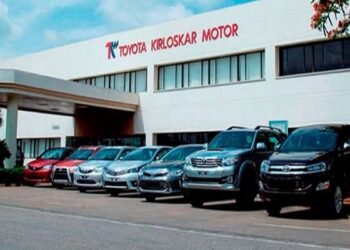
    In a strategic move to expand its manufacturing capabilities and stay at the forefront of the automotive industry, Toyota Kirloskar Motor (TKM) has announced plans to invest ₹3,300 crore in setting up its third plant in Bidadi, Karnataka. The investment aligns with the company’s vision to enhance production capacity and introduce future-ready technologies.


    The new plant, slated to begin production by 2026, will be an extension of Toyota Kirloskar Motor’s existing facility at Bidadi, near Bengaluru. The current Bidadi facility houses two units with a combined installed production capacity of up to 3.42 lakh units annually. The addition of the third plant will significantly bolster TKM’s manufacturing capabilities, providing an annual capacity of 1 lakh units in two shifts.


    Vikram Gulati, Executive Vice President & Country Head of Toyota Kirloskar Motor, stated that the new plant, besides producing the popular multi-utility vehicle Innova HyCross, will be “future-ready.” Gulati emphasized the company’s commitment to adapting to various fuel technologies and staying at the forefront of technological advancements in the automotive sector.


    “I believe, we are as a company future-ready, both in terms of access to technology, access to well-accepted products across various powertrains, as also access to the ability to bring these products to market,” Gulati affirmed.


    The strategic location of the new plant within the existing Bidadi facility allows TKM to leverage the infrastructure already in place, facilitating a seamless integration process. Gulati also highlighted the flexibility of production lines in the automotive industry, emphasizing that it doesn’t take much to adapt existing lines for the introduction of new powertrains.


    “It does take a bit of doing, but it’s not really a huge barrier, in my opinion. So that makes us ready and flexible in terms of any of the powertrains going forward. And I’m sure the new plant is going to be much more advanced and much more future-ready,” Gulati added.


    When questioned about whether the third plant will incorporate provisions for producing new technology vehicles, such as electric vehicles (EVs), Gulati acknowledged the importance of staying ahead in the rapidly evolving automotive landscape. However, he maintained that it is too early to provide specific details about the inclusion of EV production in the new facility.


    Toyota Kirloskar Motor’s investment in the new plant reflects its strategic focus on staying abreast of emerging technologies and market demands. The automotive industry is witnessing a significant shift towards electric and alternative fuel vehicles, and manufacturers are gearing up to meet the evolving needs of consumers.


    The automotive giant has consistently demonstrated its commitment to sustainability and innovation. The investment in the third plant aligns with Toyota’s global initiatives to enhance its product lineup with electrified and environmentally friendly options. While specifics about the new technologies that the third plant will accommodate remain undisclosed, the commitment to being “future-ready” underscores Toyota Kirloskar Motor’s proactive approach to technological advancements in the automotive sector.


    Toyota Kirloskar Motor’s ambitious investment in its third plant in Bidadi represents a significant step towards expanding production capacities and staying adaptable to emerging technologies. As the automotive industry undergoes rapid transformations, manufacturers like TKM are positioning themselves strategically to lead the way in providing innovative and sustainable mobility solutions.

  • Commerce Minister to Meet Elon Musk on Tesla’s Entry

    Commerce Minister to Meet Elon Musk on Tesla’s Entry

    Indian Commerce Minister, Piyush Goyal, is set to meet with Tesla’s Chief Executive Officer, Elon Musk, in the United States next week to advance the U.S. carmaker’s plans to enter the South Asian market. This high-profile meeting follows Musk’s meeting with Indian Prime Minister Narendra Modi in June, during which he expressed his interest in making significant investments in India.


    The discussions between Musk and Goyal will primarily focus on Tesla’s intentions to establish a factory in India. This factory would be responsible for manufacturing a $24,000 car, sourcing additional components locally, and expanding the electric vehicle (EV) charging infrastructure across the nation. Additionally, the two sides will likely explore a new policy that India is developing to reduce import taxes on fully built EVs to 15%, down from the current rates that can be as high as 100%. To benefit from the reduced tax rate, automakers will be required to commit to some level of local manufacturing.


    The meeting aims to ensure that ongoing discussions between India and Tesla are progressing in the right direction, reflecting the nation’s enthusiasm for the entry of the electric car manufacturer into its market.


    While the commerce ministry of India and Tesla have not provided official comments, the meeting signifies the evolving and constructive dialogue between the two parties. Tesla’s interest in India has been ongoing for several months, with the company expressing its willingness to establish a local factory while also advocating for lower import taxes on select high-end vehicles.


    Furthermore, India’s government recently held discussions involving various ministries to expedite the formulation of a new EV policy. The potential policy will offer reduced import taxes for fully built EVs, creating a favorable environment for international automakers. However, local car manufacturers have voiced concerns that lower import taxes could disrupt the Indian EV market and impact their own strategic plans.


    This meeting between the Indian Commerce Minister and Tesla’s Elon Musk is a significant step towards the U.S. carmaker’s entry into the Indian market, reflecting India’s openness to fostering cooperation with Tesla and facilitating the growth of the EV sector in the country.

  • Euler Motors Secures ₹120 Crore in Series C Funding

    Euler Motors Secures ₹120 Crore in Series C Funding

    Euler Motors, a prominent player in the electric vehicle (EV) industry, has successfully secured ₹120 crore in its ongoing Series C funding round. This round saw investments from British International Investment (BII), the UK government’s development finance institution, and Green Frontier Capital. Additionally, existing investors, including Athera Venture Partners, ADB Ventures, Blume Ventures, Alteria Capital, GIC Singapore, and QRG Holdings, also participated, reinforcing the company’s growth prospects.


    This funding round has significantly boosted Euler Motors’ financial standing, bringing its total funding to ₹690 crore to date. The funds will be instrumental in supporting the company’s expansion plans, which include an ambitious goal of entering 40 cities in India by April 2024. Euler Motors aims to establish a robust service and charging network across the country, with the intent to promote the adoption of electric vehicles in the Indian market.


    Euler Motors has emphasized its intention to raise more funds in the coming year as needed, underscoring its commitment to scaling up production, expanding its market presence, and enhancing its services. The company is also eyeing global opportunities in the EV industry.


    Manav Bansal, Managing Director and Head of India at British International Investment, highlighted the significance of climate finance as part of their investment strategy in India. He mentioned that BII plans to invest $1 billion in climate finance in India between 2022 and 2026. BII’s investment in the commercial-vehicle segment aligns with its strategic objectives of promoting sustainable and inclusive economic growth, as it has the potential to create jobs and reduce emissions.


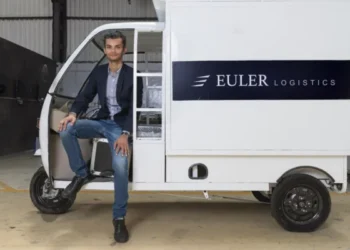
    Euler Motors, founded in 2018, is an electric vehicle manufacturer with a particular focus on commercial electric vehicles. The company’s flagship product, the HiLoad EV, features a 12.96 kWh battery pack, a range of 100-120 km, and a payload capacity of 688 kg. As the EV industry continues to gain momentum in India and worldwide, Euler Motors is poised to play a pivotal role in driving the transition to sustainable and environmentally friendly transportation solutions.

  • Delhi’s Electric Vehicles Policy 2.0 Aims for Full EV by 2030

    Delhi’s Electric Vehicles Policy 2.0 Aims for Full EV by 2030

    Delhi’s Electric Vehicles Policy 2.0, which was recently announced by Delhi Transport Minister Kailash Gahlot, has set a clear and ambitious goal for the city’s future: to transition to a fully electric fleet by 2030. The policy marks a crucial step in the fight against air pollution and aims to reduce the city’s carbon footprint significantly.


    As part of the new policy, Delhi is targeting commercial vehicles to accelerate the adoption of electric vehicles (EVs). Gahlot revealed that there are specific targets for EV induction, and the city currently has around 10% of electric vehicles among its total vehicle population. The policy acknowledges the importance of commercial vehicles in curbing pollution, as they often contribute a substantial share of emissions in urban areas.


    Electric vehicle adoption is growing rapidly in India and around the world, driven by factors like environmental concerns, government incentives, and advances in EV technology. Delhi’s Electric Vehicles Policy 2.0 builds upon the success of its predecessor, which expired in August 2022. The previous policy had been instrumental in encouraging individuals to switch to electric vehicles, and the new policy aims to continue this momentum.


    One of the significant features of the policy is its focus on incentivizing the retrofitting of vehicles. Retrofitting refers to the process of converting conventional internal combustion engine (ICE) vehicles into EV. However, retrofitting can be relatively expensive, and the policy recognizes this challenge. To make the transition more accessible, Gahlot’s team is exploring ways to provide financial incentives to those who wish to retrofit their vehicles. This approach not only promotes the use of EVs but also reduces the environmental impact of existing ICE vehicles.


    Last-mile connectivity is another key aspect of the EV Policy 2.0. Improving the accessibility of electric transportation for commuters is essential for achieving widespread adoption. Delhi’s government has already taken a significant step in this direction by floating a tender for deploying 3,000 e-scooters and e-cycles to strengthen last-mile connectivity. The first phase will see 1,500 electric vehicles stationed at metro stations, making it convenient for people to complete the last leg of their journey using clean and sustainable transportation options. This project is starting as a pilot initiative in Dwarka.


    In the second phase, the government plans to introduce an additional 750 vehicles, expanding the network to provide coverage across more parts of the city. The third and final phase will complete the deployment of the remaining 750 vehicles. By enhancing last-mile connectivity with electric vehicles, Delhi aims to make sustainable transportation more accessible and appealing to a broader population.


    Minister Gahlot has underlined that EV Policy 2.0 is the ultimate plan for the city’s transition to electric vehicles. He stated that a cabinet note is currently being prepared and should be finalized shortly. In the meantime, the existing policy, which offers subsidies for electric vehicles, will be extended for six months or until the new policy is officially notified. This extension ensures that residents continue to receive incentives to choose electric vehicles while the new framework is being established.


    Delhi’s EV Policy 2.0 represents a significant step in the city’s journey towards cleaner and more sustainable transportation. By targeting commercial vehicles, encouraging retrofitting, and improving last-mile connectivity, the policy aims to create a thriving ecosystem for electric vehicles in the capital city, eventually leading to a fully electric fleet by 2030.

  • Suzuki to Make Electric Vehicles in India, Eyeing Exports

    Suzuki to Make Electric Vehicles in India, Eyeing Exports

    Japanese automaker Suzuki Motor is set to produce electric vehicles (EVs) in India and establish the country as an export hub for EVs, according to a report by Nikkei published on Wednesday.


    Suzuki Motor is looking to expedite the global development of electric cars and has ambitious plans for EV production in India. The company intends to export EVs manufactured in India to Japan as early as 2025. Furthermore, it plans to introduce EVs to the European market under its own brand.


    Additionally, Suzuki is considering a partnership with Toyota Motor to supply EVs for sale in Europe. If this collaboration comes to fruition, the electric vehicles will be marketed under the Toyota brand in Europe.


    The choice of India as Suzuki’s initial EV production hub is motivated by several factors. The vast potential of the Indian domestic market, coupled with lower manufacturing costs, makes it an attractive location for producing EVs.


    The report states that Suzuki will establish a new EV production line in the western Indian state of Gujarat. Its Indian subsidiary, Maruti Suzuki, is scheduled to commence production in the fall of 2024. The company plans to export small SUVs, priced at approximately 3 million yen ($20,000) to 4 million yen.


    In addition to EVs, the production line will also manufacture gasoline-powered vehicles. It is expected to have a capacity of 250,000 units per year.


    Suzuki’s long-term plans include manufacturing electric kei cars in Japan starting from 2026. These lightweight minicars are known for their affordability and ease of use due to their compact size.


    In September, Suzuki Motor Corp announced a partnership with the National Dairy Development Board (NDDB) and Gujarat-based Banas Dairy to establish four biogas plants in Gujarat, with an investment of approximately ₹230 crore. This move signifies Suzuki’s commitment to sustainable and environmentally friendly practices.

  • Toyota and Idemitsu Joins to Develop Mass-Production Tech

    Toyota and Idemitsu Joins to Develop Mass-Production Tech

    In a joint effort to advance electric vehicle (EV) battery technology, Toyota Motor Corp. and Idemitsu Kosan Co. have embarked on a collaborative journey to develop mass-production technology for solid-state batteries. This partnership represents a significant step forward in the quest to improve battery performance, reduce costs, and accelerate the electrification of the automotive industry.


    The focus of this collaboration will be on solid sulfide electrolytes, a key component of solid-state batteries that has the potential to significantly enhance EV battery output. Solid-state batteries, as opposed to traditional lithium-ion batteries, offer several advantages, including improved energy density, faster charging times, and enhanced safety. By developing a reliable and scalable manufacturing process for solid-state batteries, Toyota and Idemitsu aim to unlock the full potential of this technology.


    In a joint statement released on Thursday, the companies outlined their commitment to establishing a supply chain capable of producing solid-state batteries in high volumes. This supply chain will be a critical component of their efforts to bring solid-state battery technology to the mass market.


    Toyota, the world’s largest automaker, announced its ambitious goal in June to commercialize solid-state batteries for electric vehicles by 2027 or 2028. This commitment is part of Toyota’s broader strategy to demonstrate its leadership in the electrification and automation of its vehicle lineup. The successful development and deployment of solid-state batteries have the potential to revolutionize the electric vehicle industry.


    Solid-state batteries offer several advantages over traditional lithium-ion batteries. They have the potential to improve the range of electric vehicles while simultaneously reducing costs, making EVs more accessible to a broader range of consumers. Moreover, solid-state batteries are known for their faster charging times, addressing a significant concern for EV drivers.


    Idemitsu Kosan, an oil refiner and petrochemicals company, and Toyota are joining forces to form a task force consisting of “dozens of members.” This task force will focus on the development of sulfide solid electrolytes and the establishment of a large-scale battery production facility. The ultimate goal is to enable Toyota to introduce its next-generation battery-based electric vehicles as early as 2027.


    Toyota has made substantial commitments to the electrification of its vehicle portfolio. The company has pledged to sell 1.5 million battery-electric vehicles annually by 2026 and increase that number to 3.5 million by 2030. As the global leader in the automotive industry, Toyota is determined to play a significant role in the transition to electric mobility.


    In September, Toyota took a proactive step in showcasing its commitment to electric vehicle technology. The company invited the press to tour its manufacturing facilities in Aichi Prefecture, providing a firsthand look at the progress it has made in developing the technology required to scale up electric vehicle production. This commitment to research and development is a testament to Toyota’s dedication to pushing the boundaries of innovation in the EV sector.


    The collaboration between Toyota and Idemitsu Kosan represents a significant milestone in the pursuit of advanced battery technology. As the electrification of the automotive industry continues to gain momentum, the development of solid-state batteries is poised to be a game-changer, offering improved performance, safety, and affordability for electric vehicles. Toyota’s commitment to mass-producing solid-state batteries underscores the company’s vision for a sustainable and electrified future in the automotive sector.

  • CDIL Begins Silicon Carbide Device Production in India

    CDIL Begins Silicon Carbide Device Production in India

    Continental Device India Pvt. Ltd (CDIL), renowned as India’s oldest semiconductor assembly and packaging company, has embarked on the production of silicon carbide devices at its manufacturing facility located in Mohali. This significant step marks CDIL as the pioneering Indian company in the production of silicon carbide devices, a vital component in the fields of electric vehicles (EVs), power management devices, and solar panels.


    During the inauguration of its expanded facility, CDIL’s management disclosed that the unit is capable of producing 100 million silicon carbide devices annually, following a substantial investment of ₹30 crore. This expansion significantly boosts CDIL’s total production capacity to 600 million devices.


    CDIL’s journey in semiconductor manufacturing commenced in 1964 through collaboration with Continental Device Corp. of Hawthorne, California, which was later known as Teledyne Semiconductor Co. Over the years, the company has actively pursued research and development (R&D) efforts in silicon carbide technology, recognizing its potential in delivering enhanced efficiencies and power-handling capabilities. This technology is especially valuable in high-power charging applications and battery management systems, aligning with the growing demand for auto-grade devices in both domestic and global markets.


    Previously, CDIL exported 70% of its production to countries including the United States, the United Kingdom, Germany, China, Hong Kong, Japan, South Korea, South Africa, and Egypt until 2015. However, a surge in local electronics production since 2016 has shifted the balance, with approximately 65% of CDIL’s output now catering to the domestic market.


    CDIL has also entered into a memorandum of understanding (MoU) with the Semi-Conductor Laboratory (SCL), a research institute in Mohali operating under the Ministry of Electronics and Information Technology (MeitY). The collaboration aims to establish a comprehensive framework for leveraging SCL’s specialized knowledge and wafer fabrication facilities to produce indigenous wafers for discrete semiconductor devices using proprietary manufacturing processes.


    This collaborative effort is expected to significantly contribute to India’s semiconductor ambitions and promote self-reliance in the semiconductor industry. The Indian government has committed to investing over $2 billion to modernize SCL with the intention of commercializing it.


    Amitesh Kumar Sinha, Joint Secretary at the Ministry of Electronics and Information Technology, encouraged CDIL to consider establishing a discrete semiconductor fabrication unit in India, further supporting indigenous chip manufacturing. He emphasized the government’s objective of making SCL an R&D hub for advancing the semiconductor ecosystem in India, positioning the country as a key player in the semiconductor industry.


    CDIL’s foray into silicon carbide device production is a notable development for India’s semiconductor landscape, aligning with the country’s push for self-reliance in technology manufacturing and catering to the surging demand for advanced electronic components, particularly in the EV and renewable energy sectors.

  • Saudi Arabia in Early Talks with Tesla for Manufacturing Facility

    Saudi Arabia in Early Talks with Tesla for Manufacturing Facility

    Saudi Arabia is reportedly in early-stage discussions with Tesla about the possibility of establishing a manufacturing facility in the kingdom. This move is part of Saudi Arabia’s efforts to diversify its economy away from oil and attract significant foreign investment.


    According to sources cited by the Wall Street Journal, the Saudi government has been enticing Tesla by offering the automaker the right to purchase specific quantities of metals and minerals required for its electric vehicles from countries like the Democratic Republic of Congo (DRC). The DRC is a major supplier of cobalt, a crucial component in electric vehicle batteries.


    One proposal under consideration involves Saudi Arabia extending financing to commodities-trading giant Trafigura for a cobalt and copper project in the DRC. This project could potentially supply Tesla’s vehicle factory.


    The talks between Saudi Arabia and Tesla began this summer, facilitated by the Saudi Public Investment Fund. While the discussions are at a very early stage, they align with Tesla’s ambitions to dramatically increase its production. Tesla CEO Elon Musk has previously stated the company’s goal of producing 20 million vehicles annually by 2030, a significant jump from the approximately 1.3 million vehicles produced in 2022.


    Tesla is already a global electric vehicle manufacturer, with production facilities in the United States, China, and Germany, and plans to expand to Mexico. A potential partnership with Saudi Arabia could further support Tesla’s expansion plans.


    For Saudi Arabia, securing a deal with Tesla would not only be a step towards economic diversification but also a boost to its efforts to attract foreign investment. Crown Prince Mohammed bin Salman has prioritized attracting significant foreign investment to the kingdom.


    This initiative is part of Saudi Arabia’s broader strategy to gain access to essential metals from abroad, refine them domestically, and integrate them into a growing renewable energy ecosystem.


    While Saudi officials have highlighted their labor supply as a potential asset, the relatively high cost of Saudi workers has historically been a challenge for large-scale industrial projects outside the energy sector.


    The talks also involve Trafigura, which is seeking financial support for a cobalt and copper project in the DRC that has faced cost overruns. Trafigura has been exploring options for the project due to persistently low cobalt prices and inflationary pressures. These discussions are also at an early stage, and Saudi Arabia is one of several parties being approached.


    Saudi Arabia’s discussions with Tesla and Trafigura are part of a multifaceted strategy to diversify its economy, secure access to critical resources, and support the growth of renewable energy industries. While the talks are in the preliminary stages, they represent a significant step in Saudi Arabia’s economic transformation efforts.