Tag: DGCA

  • Air India Challenges Rs. 1.10 Crore DGCA Fine

    Air India Challenges Rs. 1.10 Crore DGCA Fine

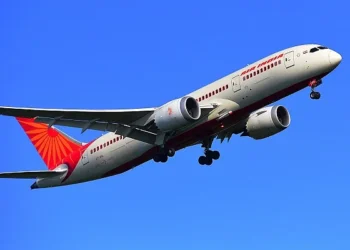
    Air India, the national carrier, finds itself embroiled in a regulatory dispute after the Directorate General of Civil Aviation (DGCA) imposed a hefty fine of ₹1.10 crore over alleged safety violations on certain long-range terrain critical routes. In response to the order, Air India vehemently denies any compromise on safety and asserts its intention to challenge the penalty.


    The aviation regulator’s action comes following a complaint from a former Air India pilot, who raised concerns about the operation of Boeing 777 planes on flights to the United States, alleging a lack of the required emergency oxygen supply system. This marks the second fine imposed on Air India by the DGCA within a week, adding to the airline’s challenges amid an already difficult operating environment.


    In a statement released on Wednesday, the DGCA stated, “DGCA has initiated enforcement action and imposed a penalty of ₹1.10 crore on Air India over allegations of safety violations of flights operated by Air India on certain long-range terrain critical routes.” The enforcement action specifically relates to the operations of leased Boeing 777 aircraft and their alleged non-compliance with regulatory and original equipment manufacturer (OEM) performance limits.


    Air India responded promptly, expressing disagreement with the DGCA’s order. A spokesperson for the airline stated, “We disagree with the order issued by the DGCA. The issues raised were thoroughly examined by Air India along with external experts concluding that there was no compromise on safety, whatsoever.” The airline is now actively reviewing the details of the order and considering its options, including the right to appeal and further engagement with the regulator.


    The regulatory scrutiny revolves around the safety aspects of Air India’s flights on critical long-range routes, raising concerns about the adherence to prescribed performance limits and emergency preparedness. Safety is a paramount concern in the aviation industry, and any allegations or findings related to violations can have serious implications for an airline’s reputation and operational standing.


    This development follows a previous complaint that triggered an investigation into the emergency oxygen supply system on Boeing 777 aircraft. The DGCA had issued a show-cause notice to Air India in response to the complaint, leading to the comprehensive investigation that culminated in the recent enforcement action.


    Air India’s challenges extend beyond this specific regulatory issue. The airline, like many others globally, has been grappling with the ongoing impact of the COVID-19 pandemic, which severely disrupted air travel demand and led to financial challenges. The aviation industry has been navigating a complex landscape with changing travel restrictions, pandemic-induced uncertainties, and financial pressures.


    The imposition of fines on airlines by aviation regulators is not uncommon, as regulators prioritize safety and compliance with established standards. However, disagreements between airlines and regulators regarding safety allegations are sensitive matters that require thorough examination of facts, adherence to protocols, and transparent communication.


    As Air India reviews its options and contemplates its response to the DGCA’s order, the airline industry, in general, continues to navigate a dynamic and challenging environment. Ensuring safety and regulatory compliance remains a critical aspect of airline operations, and any regulatory action draws attention to the broader imperatives of maintaining the highest safety standards in the aviation sector.


    The outcome of Air India’s challenge to the fine will be closely watched by industry stakeholders, passengers, and regulatory bodies. It underscores the importance of clear communication, transparency, and robust safety protocols in the aviation industry, where even minor lapses can have significant repercussions on an airline’s reputation and the trust placed in its operations.

  • DGCA Imposes ₹1.1 Crore Penalty on Air India for Safety Violations

    DGCA Imposes ₹1.1 Crore Penalty on Air India for Safety Violations

    The Directorate General of Civil Aviation (DGCA), India’s civil aviation regulator, has imposed a penalty of ₹1.1 crore on Air India for safety violations on certain flights. The penalty comes following a safety report from an employee of the airline, alleging violations on specific long-range terrain critical routes.


    According to the regulator, it conducted a comprehensive investigation into the alleged violations based on a voluntary safety report. The prima facie investigation showed non-compliance, prompting the DGCA to issue a show cause notice to the accountable manager of Air India. The response to the notice was examined with respect to statutory provisions and performance limits stipulated by the original equipment manufacturer (OEM).


    The investigation revealed that the operations of the leased aircraft were not in line with regulatory norms and performance limits suggested by the aircraft manufacturer. As a result, the DGCA has initiated enforcement action and imposed a penalty of ₹1.1 crore on Air India.


    This is not the first time Air India has faced penalties from the aviation regulator. Last week, DGCA fined the airline ₹30 lakh for lapses in rostering pilots for flights operating in low visibility conditions. The analysis of flight-related data for December 2023 revealed that Air India did not roster CAT II/III and low visibility take-off qualified pilots for some flights.


    In November, the regulator imposed a fine of ₹10 lakh on Air India for failing to comply with rules related to facilities for passengers. Inspections carried out at Delhi, Kochi, and Bengaluru airports found that Air India was not meeting the provisions of the relevant Civil Aviation Requirement (CAR).


    The safety violations leading to penalties highlight the significance of adherence to aviation regulations to ensure the safety and well-being of passengers and crew. Airlines are expected to follow the prescribed norms, and any deviation can result in regulatory action.


    Air India, backed by the Tata Group, has been undergoing various changes and challenges since the Tata Group acquired the airline. While the Tata Group has been working towards restructuring and improving the financial health of Air India, regulatory compliance remains a critical aspect for any airline operation.


    Safety is paramount in the aviation industry, and regulators play a crucial role in enforcing standards to maintain the highest levels of safety. Penalties are imposed not only as punitive measures but also to send a strong message to airlines about the importance of adhering to safety regulations and protocols.


    The DGCA’s enforcement actions are part of its commitment to ensuring that all airlines operating in the Indian airspace comply with safety standards. The penalties are also reflective of the regulator’s dedication to maintaining the integrity of the civil aviation sector in India.


    As the aviation industry continues to evolve and face new challenges, regulatory bodies must adapt and strengthen oversight mechanisms. The DGCA’s actions serve as a reminder to all airlines operating in India that safety and regulatory compliance are non-negotiable aspects of their operations.


    Air India, being a prominent player in the Indian aviation landscape, is expected to take corrective measures to address the identified safety violations. The airline’s management will likely review and enhance its operational procedures to prevent similar issues in the future.


    Passenger safety and confidence in air travel are paramount, and regulatory interventions ensure that airlines uphold the highest standards in their operations. While penalties may have financial implications for the airline, the ultimate goal is to create a safer and more secure environment for air travel in India.


    The DGCA’s imposition of a ₹1.1 crore penalty on Air India underscores the regulator’s commitment to maintaining safety standards in civil aviation. Airlines are urged to prioritize safety and adhere to regulations to ensure the well-being of passengers and the overall integrity of the aviation industry.

  • DGCA Issues SOPs to Airlines Amidst Flight Delays

    As the winter season sets in, dense fog and cold weather often lead to flight delays and cancellations, causing inconvenience to air travelers. The Directorate General of Civil Aviation (DGCA) in India has taken note of the challenges posed by foggy conditions and has issued Standard Operating Procedures (SOPs) to airlines to manage flight disruptions effectively.


    The new guidelines, outlined in the Civil Aviation Requirement (CAR) Section-3, Series M Part IV, specifically address the facilities to be provided to passengers by airlines in cases of denied boarding, flight cancellations, and delays. The DGCA has made it mandatory for airlines to publish the reference of these CAR regulations on flight tickets, ensuring that passengers are aware of their rights and the procedures to be followed.


    One of the key directives in the SOPs is related to the publication of accurate real-time information by airlines regarding flight delays. Passengers should have access to timely and transparent updates on the status of their flights, allowing them to plan their travel accordingly. This provision aims to enhance communication between airlines and passengers during periods of fog-induced disruptions.


    Furthermore, the DGCA has emphasized the importance of sensitizing airline staff at airports to effectively communicate with passengers facing delays. Foggy conditions can lead to increased stress and frustration among travelers, and it is crucial for airline personnel to handle such situations with patience and clarity. The guidelines stress the need for continuous guidance and information to be provided to passengers, keeping them informed about the developments related to their flights.


    In the context of adverse weather conditions, especially fog, airlines are advised to consider early cancellations of flights that are anticipated to be delayed for an extended period, exceeding three hours. This proactive approach is intended to prevent congestion at airports and minimize passenger inconvenience. By canceling flights in advance, airlines can manage schedules more efficiently and reduce the overall impact on travelers.


    The issuance of these SOPs comes at a time when several airports, including major hubs like Delhi, experience disruptions due to dense fog. The winter season often sees an increase in the frequency and intensity of fog, leading to challenges in aviation operations. Flight delays and cancellations can ripple through the entire air travel system, affecting passengers, airlines, and airport operations.


    The recent incident involving an IndiGo pilot being assaulted by a passenger highlights the stress and frustration that can escalate during flight delays. The passenger’s outburst was reportedly triggered by the announcement of a 13-hour delay. Such incidents underscore the importance of effective communication, transparency, and passenger management during challenging situations.


    Air travel is a critical mode of transportation, and disruptions can have cascading effects on passengers’ schedules and travel plans. The DGCA’s proactive approach in issuing SOPs demonstrates a commitment to addressing the challenges posed by adverse weather conditions, particularly fog, and mitigating the impact on air travelers.


    In addition to the guidelines for airlines, the DGCA’s focus on financial resilience and transparency is aimed at safeguarding passengers’ rights. By ensuring that passengers are aware of the CAR regulations and the procedures for handling disruptions, the aviation authority aims to empower travelers and enable them to make informed decisions.


    As the winter season progresses, airlines operating in fog-prone regions are expected to adhere to these SOPs to minimize disruptions and provide a smoother travel experience for passengers. The collaborative efforts between the DGCA, airlines, and other stakeholders will play a crucial role in navigating the challenges posed by foggy weather and maintaining the efficiency and reliability of air travel services.

  • Precautionary Checks Completed on Indian Airlines Boeing

    Precautionary Checks Completed on Indian Airlines Boeing

    The Directorate General of Civil Aviation (DGCA) has confirmed that Indian airlines, including Air India Express, SpiceJet, and Akasa Air, have successfully completed precautionary checks on their Boeing 737 MAX fleet. The checks were initiated as a proactive measure following an incident involving an Alaska Airlines Boeing 737-9 MAX, where images circulated on social media showed a large hole in the aircraft’s side, prompting the US Federal Aviation Administration (FAA) to temporarily ground over 170 Boeing B737-9 MAX aircraft for inspection.


    In response to the incident, the DGCA, on January 6, directed all Indian operators with Boeing 737 MAX 8 aircraft to perform checks on the operation and proper closing of all over wing emergency exits by January 7. The regulator confirmed on Monday that these checks have been satisfactorily performed on the operational fleet of Boeing 737-8 MAX aircraft by Air India Express (4), SpiceJet (8), and Akasa Air (20).


    Air India Express, in a statement on Sunday, had already announced the completion of its inspection and mentioned that it was in communication with Boeing and regulators for additional information on the issue.


    Akasa Air also provided reassurance, stating that there were no adverse findings from the inspection of its MAX aircraft. A spokesperson affirmed, “We can confirm that there are no adverse findings. We can also confirm that there was no disruption to our operations during this time.”


    It is important to note that while the Alaska Airlines incident involved a Boeing 737-9 MAX, the DGCA directed all Indian airlines to conduct a one-time inspection of the emergency exits on their Boeing 737-8 MAX aircraft out of an abundance of caution. Currently, no Indian airline operates a Boeing 737-9 MAX.


    “Akasa Air’s fleet includes one B737-8200 aircraft which has a mid-cabin door on which the operational check has also been completed satisfactorily,” added the regulator.


    The images of the Alaska Airlines flight 1282, a Boeing 737-9 MAX, with a significant hole in its side and passengers utilizing oxygen masks, raised concerns and triggered immediate safety measures. The US FAA’s temporary grounding order for inspection affected more than 170 Boeing B737-9 MAX aircraft.


    The DGCA’s proactive directive to Indian airlines demonstrates a commitment to ensuring the safety and airworthiness of the Boeing 737 MAX fleet in the country. By conducting the precautionary checks on emergency exits, the regulator aims to address any potential concerns related to the incident and uphold the highest safety standards in civil aviation.


    As the aviation industry remains vigilant and responsive to emerging safety issues, cooperation between regulatory authorities, airlines, and aircraft manufacturers is crucial. The completion of these checks by Indian airlines underscores the industry’s dedication to maintaining the integrity of its operations and ensuring passenger safety. Ongoing communication with Boeing and regulatory bodies enhances transparency and aids in resolving concerns promptly.

  • India Increases Flight Crew Rest Periods to Tackle Pilot Fatigue

    India Increases Flight Crew Rest Periods to Tackle Pilot Fatigue

    India’s Directorate General of Civil Aviation (DGCA) has implemented significant changes to address pilot fatigue, including an extension of the mandatory weekly rest period for flight crews from 36 to 48 hours, according to a statement from the civil aviation ministry on Monday. These revised regulations aim to enhance safety measures in the aviation sector and come after a thorough review prompted by concerns following an IndiGo pilot’s collapse and death in August.


    In addition to extending the weekly rest period, the DGCA has reduced the maximum flight duty period for pilots working nights from 13 to 10 hours. Furthermore, the regulator has placed restrictions on the number of flight landings during night operations, limiting them to two instead of six. The definition of night duty has also been adjusted to cover the first six hours of the day, as opposed to the previous five.


    The decision to revise these regulations aligns with international best practices and has been influenced by the practices of the United States and the European Union. Civil Aviation Minister Jyotiraditya Scindia emphasized the significance of these changes in a post on X, stating that they position India to lead the way in ensuring aviation safety as it continues to grow as the world’s fastest-growing aviation market.


    The DGCA’s focus on addressing pilot fatigue includes mandating all airline operators to submit quarterly fatigue reports. Airlines are required to implement these revised regulations by June 1, 2024. The comprehensive approach reflects India’s commitment to enhancing aviation safety standards, especially given its role as a key player in the global aviation market with significant orders for new planes from major carriers such as IndiGo and Air India, owned by the Tata group.


    While acknowledging that pilot fatigue is a global concern, India’s dynamic aviation sector, marked by rapid growth, has brought this issue to the forefront. IndiGo, the country’s largest airline, faced scrutiny following the death of a pilot who collapsed in August. The airline defended its practices, stating that the deceased pilot had a 27-hour break before duty and was in good health.


    These regulatory changes signify a proactive step by India to address emerging challenges in aviation safety. By considering international best practices, the country aims to establish a robust framework that ensures the well-being of flight crews and, consequently, the safety of passengers. The reduction in maximum flight duty periods and the adjustment of night duty definitions demonstrate a commitment to aligning with global standards.


    The mandate for quarterly fatigue reports is a notable addition, emphasizing transparency and accountability in monitoring and mitigating pilot fatigue. With the implementation deadline set for June 1, 2024, airlines will need to adapt their operations to comply with these revised regulations, reinforcing a culture of safety within the Indian aviation sector.


    As India continues to be a key player in the global aviation landscape, these measures showcase the country’s commitment to fostering a safe and sustainable aviation industry. The combination of regulatory changes and reporting requirements underscores the importance placed on addressing pilot fatigue and ensuring that safety remains a top priority in the rapidly evolving aviation environment.

  • Passenger Complaints Against Airlines in India: DGCA Report

    Passenger Complaints Against Airlines in India: DGCA Report

    Passenger complaints against Indian airlines have been on the rise, with a recent report from the Directorate General of Civil Aviation (DGCA) shedding light on the primary concerns raised by travelers. The report, based on 246 complaints filed against scheduled domestic airlines in September, provides valuable insights into the issues affecting passengers.


    Flight Problems Take the Top Spot
    The DGCA report indicates that the most common cause for passenger complaints is flight problems, accounting for 41.9% of the total grievances. These issues could range from flight delays and cancellations to overbooking and in-flight inconveniences. Ensuring that flights run smoothly and as scheduled remains a top priority for both airlines and passengers.


    Baggage Issues and Refunds Follow
    Baggage problems come in second place, contributing to 19.9% of the total complaints. These concerns could encompass damaged or lost luggage, issues with check-in procedures, and mishandling of baggage. Passengers rightly expect their belongings to be handled with care, and any issues in this regard can lead to dissatisfaction.


    Refund-related concerns make up 15.4% of the complaints. This category includes disputes over ticket refunds, booking cancellations, and issues related to fare adjustments. Clear and transparent refund policies are essential to address these grievances and ensure passenger satisfaction.


    Customer Service and Staff Behavior
    The DGCA report also highlights a significant increase in complaints related to customer service and staff behavior when compared to the previous month. Customer service complaints have risen from 5.9% in August to 10.2%, while staff behavior issues increased from 2.4% to 4.9%. These complaints reflect passengers’ expectations of respectful and efficient service.


    Minimal Fare-Related Complaints
    Surprisingly, only 0.4% of the total complaints were related to fare concerns. This suggests that pricing and fare issues are relatively less common sources of discontent among passengers.


    Airlines Taking Action
    It’s worth noting that out of the 246 complaints received, airlines successfully resolved 242 of them. This highlights the industry’s commitment to addressing passenger concerns promptly and effectively. Compensation and facilities provided to affected passengers were also outlined in the report, reflecting airlines’ efforts to make amends when issues arise.


    Airlines Receiving the Most Complaints
    IndiGo topped the list of airlines receiving the most complaints, with 61 grievances filed against the carrier. It was closely followed by SpiceJet with 55 complaints and Air India with 54.


    The DGCA’s report offers a comprehensive overview of the key concerns raised by passengers. As the aviation industry in India continues to grow, addressing these issues and ensuring customer satisfaction will remain a top priority for airlines and regulatory authorities.


    Recent Concerns Raised by the Ministry of Consumer Affairs
    Notably, the Ministry of Consumer Affairs recently expressed apprehensions about potential unfair trade practices within the airline industry and online travel aggregators. The National Consumer Helpline received around 10,000 complaints related to the airline sector over the past year, underscoring the importance of addressing passenger grievances and ensuring fair and transparent practices in the industry.

  • DGCA Suspends Redbird Flight Training Academy Operations

    DGCA Suspends Redbird Flight Training Academy Operations

    The Directorate General of Civil Aviation (DGCA) has suspended the operations of Redbird Flight Training Academy at all bases following two recent crash-landings involving aircraft from the academy. The DGCA took this action after finding deficiencies at the academy and identified maintenance and operational gaps.


    The first incident occurred on October 19, involving a Tecnam P2008JC single-engine aircraft with registration VT-RBC. The aircraft took off with a certified flight instructor on board but experienced an engine-related snag during the initial climb, resulting in a loss of power. The pilot decided to discontinue the sortie and crash-landed near the field’s north end. Importantly, the pilot did not notify or record the snag for necessary action by the maintenance engineer. The aircraft sustained substantial damage, and the pilot suffered minor injuries.


    The second incident took place on October 22, involving another Tecnam P2008JC (VT-RBT) with two occupants—an instructor and a trainee—conducting general flying training at Baramati. While climbing to a cleared altitude of 2,500 feet, the aircraft experienced a loss of power. The instructor made the decision to discontinue the sortie, leading to a forced landing that resulted in the aircraft overturning. The landing gear, propeller, wings, and fuselage sustained damage.


    DGCA’s suspension of Redbird Flight Training Academy’s operations is a response to these incidents and their associated maintenance and operational concerns. The regulator highlighted a gap in these elements and emphasized the importance of addressing them to ensure flight safety.


    As part of its response, the DGCA intends to conduct a special maintenance audit and proficiency checks for the academy’s trainers and examiners before permitting it to resume operations. This suspension underscores the DGCA’s commitment to aviation safety and its vigilance in addressing issues that may compromise the well-being of those involved in flight training.


    The incidents and subsequent suspension serve as a reminder of the paramount importance of maintaining rigorous safety standards in aviation training. Ensuring the safety of flight operations is critical not only for the individuals involved but also for the overall integrity of the aviation industry. The DGCA’s actions demonstrate its dedication to upholding these standards and its willingness to take swift measures when necessary to protect flight safety.

  • Winter Flight Schedule Sees 8% Growth, IndiGo Leads Surge

    Winter Flight Schedule Sees 8% Growth, IndiGo Leads Surge

    Indian airlines are gearing up for the upcoming winter season with a significant increase in flight departures, according to data from the Directorate General of Civil Aviation (DGCA). The winter schedule, effective from the last Sunday of October to the last Saturday of March, will see 23,732 flight departures per week, marking an 8% growth compared to previous schedules. This surge is especially significant, considering the aviation industry’s challenges over the past few years due to the COVID-19 pandemic.


    The total flight departures for this winter season will be 1.4% higher than in the winter of 2019, which saw 23,403 departures. Furthermore, it represents a 3.6% increase compared to the summer schedule, which had a total of 22,907 flight departures. The growth in flight departures is a positive sign of the aviation industry’s gradual recovery and increased demand for air travel.


    The DGCA approves flight departures for airlines in India biannually, covering both the summer and winter schedules. The number of approved flights depends on the applications submitted by airlines. However, this year, the schedule includes the absence of Go First, which had 1,390 flight departures in the previous winter season. Despite this, India’s largest airline, IndiGo, is set to lead the growth in flight deployments.


    IndiGo is expected to deploy 30% more flights than the previous year, with a proposal for 13,119 flight departures per week, significantly higher than the 10,085 departures it proposed last year. The Tata-owned Air India is also on an upward trajectory, with a 19% increase, proposing 2,367 flight departures per week, up from 1,990 the previous year.


    AirAsia India and Air India Express jointly proposed 1,940 flight departures, compared to 1,462 in the previous winter schedule, reflecting a 32% increase. In contrast, Vistara is expected to see a 2% decrease in proposed flight deployments, with 1,902 departures per week.


    Akasa Air, India’s newest airline, is set to increase its weekly flight departures by 5% compared to the summer schedule and a remarkable 65% compared to the previous winter schedule, reaching a total of 790 flights per week. However, low-cost carrier SpiceJet will face a 33% reduction compared to the same period last year and a 5% decrease from the summer schedule, with a proposal of 2,132 flights per week.


    Additionally, the DGCA announced new airports to be included in the schedule, such as Bhatinda, Jaisalmer, Ludhiana, Nanded, Shivmoga, Salem, Utkela, Hindon, and Ziro. However, operations from Gondia airport have been excluded from the Winter Schedule 2023.


    The surge in flight departures for the upcoming winter season indicates positive developments in the Indian aviation industry, showcasing the resilience and adaptability of airlines in response to changing market conditions. As air travel demand continues to rebound, airlines are making efforts to meet the growing needs of passengers across the country.

  • Pilots May Be Advised to Avoid Perfume and Mouthwash

    Pilots May Be Advised to Avoid Perfume and Mouthwash

    Pilots may soon be advised to avoid using products like perfume, mouthwash, and tooth gel with alcoholic content to prevent positive breath analyzer tests. The Directorate General of Civil Aviation (DGCA) has proposed this advisory as part of a draft Civil Aviation Requirements (CAR), which outlines procedures for the medical examination of aircraft personnel for alcohol consumption.


    The DGCA has sought comments on the draft CAR, which includes the proposed advisory, until October 5. The draft CAR pertains to the procedure for the medical examination of aircraft personnel for alcohol consumption and outlines guidelines for breath analyzer tests.


    Under the existing DGCA norms, all flight crew members and cabin crew members of scheduled operators are required to undergo pre-flight breath analyzer examinations at the first departure airport during a flight duty period. For scheduled flights originating from destinations outside India, post-flight breath analyzer examinations are conducted for each flight crew and cabin crew at the first port of landing in India.


    The proposed advisory in the draft CAR states that no crew member should consume any drug, formulation, or use any substance, including mouthwash, tooth gel, or perfume, that has alcoholic content. It notes that such substances may result in a positive breath analyzer test. Crew members who are undergoing medication that may contain alcohol are advised to consult with the company doctor before undertaking a flying assignment.


    While the proposed advisory aims to prevent false positive breath analyzer test results, some in the aviation industry suggest that it should remain advisory rather than being incorporated into regulations. They believe that too many restrictions on pilots may not be ideal and that it is essential to strike a balance between ensuring safety and not overly burdening pilots with regulations.


    Breath analyzer tests for alcohol consumption are a critical safety measure in the aviation industry. Stringent punishments are in place for crew members who test positive in such tests, depending on whether the violation is repetitive. These penalties apply to both pre-flight and post-flight tests.


    The draft CAR also includes provisions for the availability of breath analyzer equipment. Operators are required to have at least two serviceable breath analyzer devices that use fuel cell technology and can provide accurate digital values up to three decimal places. These devices must have memory capabilities to store and recall at least the last 1,000 records.


    The aviation industry prioritizes safety and takes measures to ensure that flight crews and cabin crews are fit to operate aircraft. Alcohol consumption by aviation personnel is strictly regulated and monitored, and any violation of these regulations can result in serious consequences, including suspension or termination of employment.


    The DGCA’s proposal to advise pilots to avoid alcoholic-containing products like mouthwash and perfume is part of ongoing efforts to enhance safety measures and prevent false positives in breath analyzer tests, ultimately ensuring the safety of air travel.

  • Akasa Air Receives Partial Relief in Pilot Resignation Cases

    Akasa Air Receives Partial Relief in Pilot Resignation Cases

    Akasa Air, the Indian airline that recently faced challenges due to pilot resignations, has received partial relief from the Delhi and Mumbai High Courts regarding these cases.


    Delhi High Court’s Decision:

    The Delhi High Court clarified that the Directorate General of Civil Aviation (DGCA) is not restrained from taking action against pilots in breach of employment agreements with airlines. However, it did not issue specific orders regarding Akasa Air’s pilots. The court noted that while Akasa Air did not seek penal action against the 43 pilots who breached their contracts, it sought clarity and regulatory action against them. The court emphasized that the Civil Aviation Requirement (CAR) of 2017 and previous orders were clear on pilot termination. It rejected DGCA’s contention that it cannot act against pilots for breach of agreements.


    The Delhi High Court also disposed of the Akasa pilots’ case but decided to hear whether DGCA has jurisdiction to intervene in cases where Akasa’s pilots resign without serving their notice period. This matter is scheduled to be heard again in October.


    Mumbai High Court’s Decision:

    The Bombay High Court ruled in favor of Akasa Air, allowing the airline to proceed with its legal action against pilots who had not served their notice periods after resigning. The court stated that acceptance of a resignation is complete when it comes to the knowledge of the company. The high court also agreed to hear the matter to consider interim reliefs to Akasa on October 4. The airline is seeking ₹21.6 crore in compensation, including ₹14.28 crore for damage to its reputation due to flight disruptions and grounding, ₹6.96 crore for operational profit loss, and ₹36 lakh for pilots’ training agreements.


    Akasa Air has faced challenges due to a wave of pilot resignations, with the airline starting operations only in August 2022 with 20 aircraft. The airline first sought DGCA intervention on August 3, citing mass resignations and invoking Rule 39A(2) of Aircraft Rule (1937). It also reported the situation to the Bureau of Civil Aviation Security, alleging that the pilots did not return their aerodrome entry permits and requested that the pilots be placed on a “Stop-List” for violating AEP guidelines.


    These legal developments are significant for Akasa Air as they address the complexities surrounding pilot resignations and their impact on airline operations and contractual obligations.

  • HC Restrains Go First Airlines from Flying Maintenance Flights

    HC Restrains Go First Airlines from Flying Maintenance Flights

    In a significant decision, the Delhi High Court has taken a firm stance against the conduct of Go First airlines of maintenance flights, amid the airline’s ongoing crisis. The court has barred the airline from conducting such flights, ruling that scheduled maintenance cannot be used as a reason to include the flying of aircraft. The resolution professional’s plea to fly non-commercial flights for maintenance purposes without prior notice has been rejected by the court.


    Justice Tara Vitasta Ganju ordered Go First Airlines to maintain the status quo regarding the handling of non-revenue flights of the petitioner lessor’s aircraft until further orders. This decision comes after the court previously directed the airline to maintain the status quo until August 3.


    The court considered the resolution professional’s claim that two of the ten aircraft had been flown as part of scheduled maintenance activity but deemed it “misconceived.” The judge emphasized that flying the aircraft, even for non-commercial purposes, cannot be categorized as scheduled maintenance.


    The recent court action was initiated by an application filed by SMBC Aviation Capital Limited, one of the lessors of aircraft, which alleged that Go First Airlines flew two aircraft owned by the petitioners without court permission, despite earlier directions from the court.


    The resolution professional argued that the Resumption Plan approved by the Directorate General of Civil Aviation (DGCA) urgently required the aircraft to be flight-ready and undertake handling or maintenance flights. However, the court ruled that the resolution professional cannot continue with maintenance flights at this stage.


    In an interim order on July 5, the single judge had previously allowed the lessors to inspect their aircraft at least twice a month and conduct maintenance work. The order was passed following petitions by several lessors seeking de-registration of their planes by the DGCA.


    The Delhi High Court’s recent decision sends a clear message about the necessity of adhering to court orders and the importance of ensuring transparency and compliance in such critical matters. The ruling aims to safeguard the interests of all parties involved and maintain stability amidst Go First airline’s ongoing crisis.