Tag: corruption

  • ED Interrogates Suspended TMC Leader Sheikh Shahjahan

    ED Interrogates Suspended TMC Leader Sheikh Shahjahan

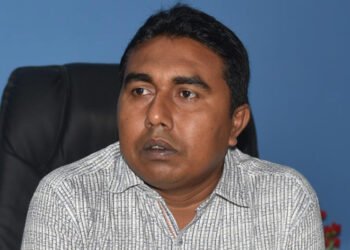
    The Enforcement Directorate’s interrogation of suspended Trinamool Congress (TMC) leader Sheikh Shahjahan in connection with a land grab case in West Bengal’s Sandeshkhali area has once again brought to light the complex web of allegations surrounding his activities. Sources revealed that Shahjahan stands accused of forcibly occupying land in the Sandeshkhali region, adding another layer to the legal troubles he faces.


    The federal agency has been actively pursuing multiple cases against Shahjahan, with two Enforcement Case Information Reports (ECIR) registered against him. These cases involve allegations ranging from corruption in the public distribution system (PDS) to unlawful dealings in export-import transactions, particularly in the shrimp import and export business. The ED’s investigation into these financial irregularities has uncovered a trail of illegal transactions, leading to intensified scrutiny of Shahjahan’s activities.


    The latest interrogation by the Enforcement Directorate focused on the second ECIR case, which pertains to the alleged land grab in Sandeshkhali. Shahjahan’s involvement in this case adds another dimension to the legal saga surrounding him. Previously, Shahjahan had faced judicial custody in the Sandeshkhali ED assault case, a matter that was later transferred to the Central Bureau of Investigation (CBI) following a directive from the Calcutta High Court.


    The involvement of multiple law enforcement agencies reflects the gravity of the allegations against Shahjahan and the complexity of the legal proceedings. The high court’s decision to entrust the CBI with the case underscores the need for a thorough and impartial investigation into the events surrounding the Sandeshkhali incident. Moreover, the court’s rebuke of the state police’s handling of the matter highlights concerns about accountability and transparency in law enforcement.


    Shahjahan’s arrest on February 29 marked a significant development in the ongoing investigation, following his evasion of law enforcement authorities for nearly two months. The allegations against him, including accusations of land grabbing and sexual assault under coercion, have stirred public outrage and brought attention to broader issues of land rights and gender-based violence in the region.


    The arrest of three suspects, including Shahjahan’s younger brother Sheikh Alomgir, in connection with the Sandeshkhali ED assault case further underscores the seriousness of the allegations and the breadth of the investigation. The January 5 attack on ED officials during a raid on Shahjahan’s residence was a brazen display of resistance to law enforcement efforts, prompting swift action from investigative agencies.


    The arrests of Mafaujar Molla and Sirajul Molla, in addition to Sheikh Alomgir, signal a concerted effort by law enforcement agencies to hold all individuals involved in criminal activities accountable. The ED’s pursuit of justice in this case reflects its commitment to upholding the rule of law and combating financial crimes that undermine the integrity of the country’s financial system.


    The legal proceedings surrounding Sheikh Shahjahan case are likely to be protracted and complex, given the gravity of the allegations and the involvement of multiple parties. The investigation into the Sandeshkhali incident and related matters will require thorough examination of evidence and testimony from witnesses to establish a clear understanding of the events that transpired.


    In the meantime, Sheikh Shahjahan interrogation by the Enforcement Directorate serves as a reminder of the importance of accountability and transparency in governance. The allegations against him raise questions about the prevalence of corruption and abuse of power in the political sphere, underscoring the need for robust mechanisms to prevent and address such misconduct.


    As the legal proceedings unfold, it is imperative that the investigative agencies conduct their inquiries with diligence and impartiality, ensuring that justice is served and the rule of law upheld. The outcome of these investigations will have far-reaching implications for the fight against corruption and the protection of citizens’ rights in West Bengal and beyond.

  • ED Files Chargesheet in Delhi Jal Board Money Laundering Case

    ED Files Chargesheet in Delhi Jal Board Money Laundering Case

    The Enforcement Directorate (ED) has taken a significant step forward in the Delhi Jal Board money laundering case by filing its first chargesheet, according to sources briefed by news agency PTI on Saturday.


    The chargesheet, reportedly spanning about 8,000 pages, was lodged in connection with alleged irregularities within the Delhi Jal Board (DJB). It was submitted before a special Prevention of Money Laundering Act (PMLA) court in Delhi on March 28, as disclosed by the sources.


    “The court has listed the matter for April 1 for taking cognisance of the chargesheet,” the sources added. In the detailed chargesheet, the ED has named four individuals and one company as “accused” in the case. Among them are former Delhi Jal Board chief engineer Jagdish Kumar Arora, contractor Anil Kumar Agarwal, former NBCC general manager DK Mittal, Tejinder Singh, and NKG Infrastructure Limited.


    The ED’s allegations suggest a complex scheme of corruption, wherein bribe money generated from irregularities in a contract issued by the DJB was purportedly funneled as election funds to the ruling Aam Aadmi Party (AAP) in Delhi.


    The ED is seeking the prosecution of the accused under the provisions of the Money Laundering Act. Additionally, it has indicated the possibility of filing supplementary complaints in the future, underscoring the ongoing nature of the investigation.


    This development comes amid heightened scrutiny of political funding and allegations of corruption, particularly in the context of elections. The chargesheet marks a significant milestone in the ED’s efforts to unravel the alleged money laundering network and hold those involved accountable.


    The Delhi Jal Board case has garnered considerable attention, especially due to its implications for political transparency and accountability. The ED’s chargesheet is expected to shed further light on the intricate web of financial transactions and illicit activities allegedly orchestrated within the corridors of power.


    As the case progresses, it is likely to fuel broader debates surrounding ethics in governance, the role of regulatory agencies, and the need for stringent measures to combat corruption. The ED’s actions underscore the importance of upholding the rule of law and ensuring accountability at all levels of government.


    Moving forward, all eyes will be on the legal proceedings as the chargesheet undergoes judicial scrutiny. The outcome of this case could have far-reaching implications for the political landscape in Delhi and beyond, shaping public perceptions and electoral dynamics in the process.

  • FIR Filed Against Former Chhattisgarh CM Bhupesh Baghel

    FIR Filed Against Former Chhattisgarh CM Bhupesh Baghel

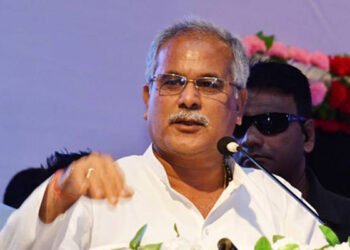
    An FIR has been filed against former Chhattisgarh Chief Minister Bhupesh Baghel and promoters of the Mahadev app, marking a significant development in the ongoing investigation into alleged financial irregularities and corruption. According to reports by Times Now, serious charges under the Indian Penal Code (IPC), including criminal breach of trust and cheating, have been leveled against them. This development comes amidst a broader probe by investigative agencies into the Mahadev betting app case, which has revealed substantial financial discrepancies and alleged misconduct involving high-ranking politicians and bureaucrats.


    The Enforcement Directorate (ED) has been actively investigating the Mahadev app case, unearthing various irregularities and instances of money laundering. In a recent revelation made during the investigation, the ED disclosed the utilization of several dummy accounts and fake bank entities to invest nearly ₹1,100 crore in the stock market. As part of its ongoing probe, the ED has frozen shares worth this amount until further investigation is completed, highlighting the severity of the financial misconduct associated with the case.


    Earlier this month, the Enforcement Directorate made two fresh arrests in connection with the Mahadev app-linked money laundering case. Girish Talreja and Suraj Chokhani were apprehended on March 2 and March 3, respectively. They were subsequently produced before a special Prevention of Money Laundering Act (PMLA) court, which remanded them to ED custody till March 11. These arrests underscore the agency’s determination to pursue all individuals involved in the alleged financial irregularities associated with the Mahadev app.


    The ED has alleged that funds acquired unlawfully through the Mahadev app were utilized for paying bribes to politicians and bureaucrats in Chhattisgarh, the home state of the primary promoters and operators of the app. As part of its investigation, the ED has seized or frozen movable properties amounting to ₹1764.5 crore. Additionally, a total of 11 individuals have been arrested thus far in connection with the Mahadev betting app scam case, highlighting the widespread nature of the alleged financial misconduct.


    One of the most significant allegations made by the ED in the Mahadev app case is the purported payment of around ₹508 crore to former Chhattisgarh Chief Minister Bhupesh Baghel by the app’s promoters. These allegations, made just ahead of the state assembly elections, were vehemently refuted by Baghel, who dismissed them as efforts to tarnish his reputation. The Congress party, to which Baghel belongs, condemned the accusations as a political vendetta orchestrated by the Central government, further politicizing the already contentious issue.


    The Mahadev app case has sent shockwaves through Chhattisgarh’s political landscape, with prominent politicians and bureaucrats implicated in alleged financial irregularities and corruption. The case has also raised concerns about the integrity of the state’s governance and regulatory mechanisms, prompting calls for greater transparency and accountability in public office.


    As investigations into the Mahadev app case continue, questions linger about the extent of political involvement and the potential ramifications for Chhattisgarh’s political establishment. The FIR filed against Bhupesh Baghel and Mahadev app promoters underscores the gravity of the allegations and the need for a thorough and impartial investigation into the matter. In the meantime, the public awaits further developments in what has become one of the most high-profile cases of alleged corruption and financial misconduct in recent memory.

  • WB Elections: Battle Lines Drawn Between TMC and BJP

    WB Elections: Battle Lines Drawn Between TMC and BJP

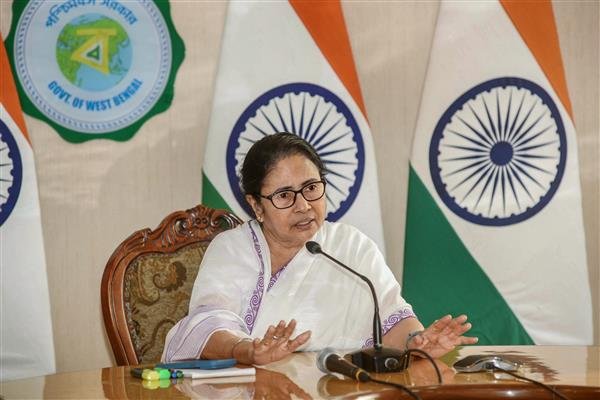
    The battleground for the Lok Sabha elections in West Bengal is set, with the Trinamool Congress (TMC) led by Mamata Banerjee and the Bharatiya Janata Party (BJP) gearing up for a high-stakes political showdown battle. With 42 Lok Sabha seats at stake, West Bengal holds significant electoral importance, making it a crucial battleground for both parties.


    The political landscape in West Bengal has undergone significant shifts in recent years, with the BJP emerging as the principal challenger to the ruling TMC. While the opposition ‘INDIA bloc’ failed to materialize in Bengal, the state Pradesh Congress is still exploring the possibility of forming an alliance with the Left parties, with whom it had partnered during the 2021 state polls. However, an official alliance for the upcoming Lok Sabha elections is yet to be announced.


    In the upcoming elections, the BJP is expected to rely heavily on the popularity and persona of Prime Minister Narendra Modi to woo voters in the state. Meanwhile, the TMC, led by Mamata Banerjee, is seeking to defend its turf and consolidate its position amidst growing opposition from the BJP, hence the battle.


    Several key issues are likely to dominate the electoral discourse in West Bengal:

    • Corruption: Allegations of widespread corruption within the Trinamool ranks have emerged as a potent weapon for the BJP. The party has accused the TMC of indulging in corrupt practices, leading to the arrest of several top TMC leaders on charges ranging from recruitment scams to irregularities in food grain distribution.


    • Sandeshkhali and women voters: The recent violence and protests in Sandeshkhali, coupled with allegations of sexual abuse against TMC leaders, have tarnished the ruling party’s image. Mamata Banerjee, who has enjoyed strong support from women voters, now faces the challenge of addressing these allegations and retaining their trust.


    • The ‘Bohiragoto’ tag: The TMC’s narrative of portraying the BJP as ‘outsiders’ and ‘Bengal-haters’ has been a recurring theme in the state’s political discourse. The BJP, on the other hand, seeks to counter this narrative by emphasizing its commitment to the state’s development and welfare.


    • Central funds: The TMC has accused the central government of withholding funds earmarked for development projects in Bengal, leading to financial distress in rural areas. Mamata Banerjee has pledged to disburse funds from state coffers to address this issue, while challenging the BJP to a debate on the matter.


    • Citizenship Amendment Act (CAA): Mamata Banerjee has vehemently opposed the CAA, accusing the central government of using it as a tool to target immigrants. The BJP, however, sees the CAA as a potential electoral advantage, especially among the Matua community in Bengal.


    • Setting theory: The Left and Congress are likely to revive the theory of a “tacit understanding” between Modi and Mamata, alleging that the central agencies have been lenient in their investigations against TMC leaders. This issue is expected to feature prominently in their campaign.


    In addition to these issues, both parties are likely to focus on other contentious issues such as the misuse of central agencies, law and order, and the politicization of the police and administration in Bengal. As the election campaign heats up, West Bengal is poised for a fierce electoral battle that will shape the state’s political landscape for years to come.

  • Conman Sukesh Chandrasekhar Alleges Threats by Kejriwal

    Conman Sukesh Chandrasekhar Alleges Threats by Kejriwal

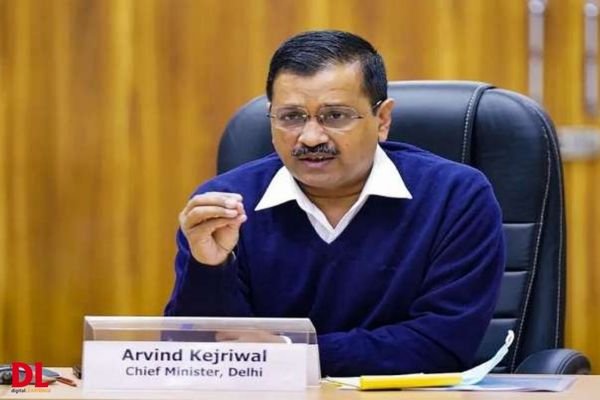
    Amidst a flurry of allegations and counter-allegations, the saga involving conman Sukesh Chandrasekhar and Delhi Chief Minister Arvind Kejriwal has taken a dramatic turn. Sukesh Chandrasekhar, who is currently incarcerated, has made startling claims of threats from Kejriwal and alleged mistreatment in jail. According to a report by Times Now, Sukesh Chandrasekhar stated that he is being pressured to withdraw his complaint against the AAP chief, adding fuel to the already intense political fire.


    Sukesh Chandrasekhar’s accusations didn’t stop there. He also named Satyendar Jain, who served as the Minister for Jail in the AAP government, and the new jail superintendent, alleging that he is being subjected to torture behind bars. These revelations have added a new layer of complexity to an already convoluted narrative.


    The conman’s grievances against Satyendar Jain go back to the period between 2018 and 2021, during which Sukesh claims that Jain extorted a staggering ₹10 crore from him in various tranches. This alleged extortion was purportedly carried out either directly by Jain or through his associates under the guise of protection money. Sukesh alleged that these payments were made to ensure his comfort and safety while incarcerated in different Delhi jails, including Tihar, Rohini, and Mandoli.


    The seriousness of these allegations prompted an investigation by the Central Bureau of Investigation (CBI). The request for prosecution sanction came through the Directorate of Vigilance GNCTD to the Lieutenant Governor, who holds the authority in such matters. The involvement of such high-profile figures and the gravity of the accusations have turned this case into a significant political and legal affair.


    Apart from Satyendar Jain, Sukesh Chandrasekhar also implicated Sandeep Goel and one Mukesh Prasad in his allegations of extortion. He claimed that they had extorted a further ₹12.50 crore from him between 2019 and 2022, adding another layer of complexity to an already intricate web of corruption allegations.


    However, Sukesh Chandrasekhar’s accusations didn’t end with allegations of corruption and extortion. In a bold and unexpected move, he addressed a letter to Arvind Kejriwal, accusing the Delhi Chief Minister of corruption and announcing his intention to contest against him in the upcoming Lok Sabha elections in 2024.


    In his letter, Sukesh Chandrasekhar urged Kejriwal to welcome the CBI investigation into the matter rather than engaging in blame games. He challenged Kejriwal to undergo a narco test, emphasizing that the courts would ultimately decide the truth. This bold challenge underscored the intensity of the confrontation between Sukesh and Kejriwal.


    Furthermore, Sukesh didn’t mince words in his letter to Kejriwal, alleging that the Delhi Chief Minister’s associates were involved in corruption and were currently behind bars. He warned Kejriwal that he might soon join them in what he referred to as the “Tihar Club,” insinuating that the law would catch up with the Chief Minister sooner rather than later.


    The revelations made by Sukesh Chandrasekhar have sent shockwaves through the political landscape of Delhi and beyond. The allegations of threats, torture, corruption, and electoral confrontation have added a new dimension to an already contentious issue. As the investigation unfolds and the political drama escalates, all eyes will be on how the accused parties respond to these serious accusations and whether justice will be served in the end.

  • Arrest Made in UP Police Constable Exam Paper Leak Case

    Arrest Made in UP Police Constable Exam Paper Leak Case

    In the ongoing investigation into the Uttar Pradesh police constable recruitment examination paper leak case, another arrest has been made, further unraveling the complex web of corruption surrounding the recruitment process. The recent arrest of Mahendra Sharma, apprehended from Haryana’s Jind and later sent to jail, sheds light on the modus operandi employed by individuals involved in the scandal.


    According to reports, Mahendra Sharma disclosed crucial details during interrogation, revealing how the leaked examination papers were obtained and distributed among candidates. He recounted his involvement in the illicit activities orchestrated by Vikram Pahal, a key figure in the scandal. Sharma stated that on February 15, Pahal took him to a resort in Gurugram Manesar, where approximately 400 examinees had gathered. Gaurav Chaudhary, another individual implicated in the case, reportedly arranged transportation for the candidates, ferrying them to the resort in 10 to 12 buses.


    Sharma further revealed that Vikram Pahal had promised him ₹2 lakh in exchange for securing the leaked examination papers. Additionally, sources close to the investigation claimed that each candidate was expected to pay ₹7 lakh for access to the leaked papers, indicating the lucrative nature of the illicit trade in exam leaks.


    During the meeting organized by Vikram Pahal at the resort, approximately 1000 candidates were briefed about the availability of the leaked papers. On February 16, Pahal, along with accomplices Abhishek Shukla and Ravi, arrived at the resort with the question paper and answer key for the second shift examinations scheduled for February 18. This meticulously planned operation aimed to provide an unfair advantage to candidates willing to pay hefty sums for leaked examination materials.


    The revelation of these intricate details underscores the extent of corruption and malpractice plaguing the recruitment process for police constables in Uttar Pradesh. The involvement of multiple individuals, including candidates, facilitators, and organizers, points to systemic issues that compromise the integrity and fairness of such examinations.


    In response to the scandal, the Uttar Pradesh Police Recruitment Board took swift action by dismissing Chairperson Renuka Mishra and appointing Rajeev Krishna to assume additional responsibilities. Additionally, on February 24, the Board canceled the written examination for direct recruitment-2023 to the posts of reserved civilian police in Uttar Pradesh Police. This decision was necessitated by the need to address the widespread irregularities and restore confidence in the recruitment process.


    The magnitude of the constable recruitment examination, with over 48 lakh candidates participating on February 17 and 18, underscores the urgency of addressing the underlying issues and ensuring transparency and fairness in future recruitment drives. The integrity of examinations is paramount, as they serve as a gateway to public service and must be free from any form of manipulation or malpractice.


    In light of these developments, Uttar Pradesh Chief Minister Yogi Adityanath reaffirmed the government’s commitment to upholding the sanctity of examinations. In a statement on social media, he emphasized that there would be no compromise with those who undermine the hard work and aspirations of young candidates. Adityanath’s unequivocal stance reflects the government’s determination to root out corruption and restore public trust in the recruitment process.


    Moving forward, it is imperative for authorities to conduct a thorough investigation, prosecute those responsible for the paper leak, and implement stringent measures to prevent such incidents in the future. Transparency, accountability, and integrity must be upheld at every stage of the recruitment process to ensure that deserving candidates are selected based on merit and competence rather than illicit means. Only then can the recruitment process regain its credibility and serve as a beacon of fairness and equal opportunity for all aspiring candidates.

  • ED Attaches ₹10.29 Crore of Trinamool Congress

    ED Attaches ₹10.29 Crore of Trinamool Congress

    The Enforcement Directorate (ED) made headlines on Monday as it announced the attachment of ₹10.29 crore belonging to the Trinamool Congress (TMC) party. This action came as part of an investigation into alleged money laundering activities involving the Alchemist Group and other entities.


    According to the ED, the attached amount, in the form of a demand draft, was tendered by the TMC during the investigation. The probe focused on allegations that approximately ₹10.29 crore was utilized by the Alchemist Group, led by Kanwar Deep Singh, a former member of the Rajya Sabha, to make payments to aviation companies on behalf of the TMC during the campaigning for the 2014 Lok Sabha elections.


    The enforcement agency asserted that the aircraft funded through these transactions were utilized by prominent Trinamool Congress figures, including West Bengal Chief Minister Mamata Banerjee, party MLA and former railway minister Mukul Roy, actor Moon Moon Sen, and Member of Parliament Nusrat Jahan, among others, during the election campaign.


    The ED’s investigation revealed that Alchemist Airways Pvt Ltd disbursed ₹10.29 crore to various aviation or helicopter companies to provide aviation services for the TMC’s star campaigners during the 2014 Lok Sabha elections.


    This development underscores the broader issue of alleged financial irregularities and money laundering activities in the political landscape of India. The ED’s action brings into focus the nexus between political parties and corporate entities, raising questions about transparency, accountability, and ethical conduct in political financing.


    Furthermore, the ED’s probe is part of a larger crackdown on financial crimes and illicit activities under the Prevention of Money Laundering Act (PMLA). The agency’s investigation is based on multiple FIRs registered by the Central Bureau of Investigation (CBI) and the Kolkata Police against various individuals and group companies associated with the Alchemist Group.


    The ED’s findings suggest that the Alchemist Group engaged in fraudulent activities, including the illegal mobilization of funds from investors through promises of high returns and lucrative investment opportunities. However, instead of fulfilling its commitments, the group allegedly siphoned off or diverted the funds to its various subsidiary companies.


    The arrest of Kanwar Deep Singh in January 2021 further underscores the seriousness of the allegations against the Alchemist Group and its associates. Singh, a former TMC Rajya Sabha MP, was apprehended by the ED as part of its ongoing investigation into the financial irregularities and fraudulent practices perpetrated by the group.


    The ED’s actions serve as a reminder of the imperative to combat financial crimes, uphold the rule of law, and safeguard the interests of investors and the general public. It highlights the need for stringent regulatory oversight, effective enforcement mechanisms, and accountability measures to prevent money laundering, fraud, and other illicit financial activities.


    Moreover, the ED’s probe into the alleged involvement of political parties in money laundering activities underscores the importance of transparency and integrity in political funding. It underscores the significance of robust regulatory frameworks and ethical standards to ensure the integrity of democratic processes and institutions.


    The ED’s attachment of ₹10.29 crore belonging to the Trinamool Congress in connection with the Alchemist Group money laundering case underscores the need for greater vigilance and accountability in political financing and financial transactions. It emphasizes the importance of comprehensive measures to combat financial crimes and uphold the rule of law, integrity, and transparency in India’s political and economic landscape.

  • Former Calcutta HC Judge Abhijit Gangopadhyay Joins BJP

    Former Calcutta HC Judge Abhijit Gangopadhyay Joins BJP

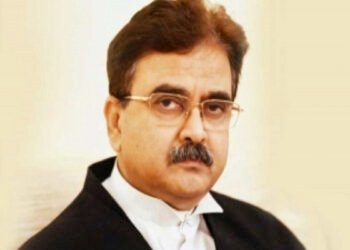
    Former Calcutta High Court Judge Abhijit Gangopadhyay made headlines on Tuesday as he announced his decision to join the Bharatiya Janata Party (BJP) just hours after tendering his resignation from his judicial post. This move marks a significant shift for Gangopadhyay, signaling his entry into active politics in West Bengal, a state known for its fiercely contested political landscape.


    During a press conference, Gangopadhyay cited the BJP’s status as a national party and its commitment to combating corruption as the primary reasons for his decision to join. He expressed his alignment with the BJP’s vision and emphasized the need to counter the alleged corruption of the ruling Trinamool Congress (TMC) in Bengal. His move is seen as a notable development in the state’s political dynamics, particularly amidst the upcoming assembly elections.


    Gangopadhyay revealed that he would formally join the BJP on March 7, indicating a clear timeline for his transition into his new political role. While there has been speculation about his candidacy in the forthcoming Lok Sabha polls, particularly from Bengal’s Tamluk constituency, Gangopadhyay maintained that the party leadership would decide on such matters. Tamluk has historically been a stronghold of the TMC, adding intrigue to Gangopadhyay’s potential electoral bid.


    His resignation from the Calcutta High Court was submitted to President Droupadi Murmu, with copies sent to Chief Justice of India DY Chandrachud and Calcutta HC Chief Justice TS Sivagnanam. This move came as a surprise to many, sparking speculation about the motivations behind Gangopadhyay’s decision and its potential implications for Bengal’s political landscape.


    Gangopadhyay’s tenure as a judge was marked by several controversial rulings, particularly in cases related to education issues in the state. His decisions often led to heated political debates, with critics accusing him of bias and political motivations. In February, the Supreme Court received a plea from Trinamool Congress leader Abhishek Banerjee, urging action against Gangopadhyay for alleged politically motivated statements and interviews on sub-judice cases.


    Speaking to the media, Gangopadhyay explained that his resignation was prompted by a sense of duty and conscience, particularly in light of the corruption scandals that have plagued the education sector in Bengal. He highlighted the ongoing trials of prominent individuals involved in these scandals as evidence of the systemic corruption that he aimed to address through his decision to enter politics.


    Gangopadhyay’s transition from the judiciary to active politics underscores the growing influence of the BJP in West Bengal and its efforts to expand its presence in the state. His entry into the political arena adds another dimension to the already intense electoral competition, with the BJP seeking to challenge the TMC’s dominance in the region.


    As Gangopadhyay embarks on this new chapter in his career, all eyes will be on his role within the BJP and his potential impact on the upcoming elections. His decision to join the party reflects broader shifts in Bengal’s political landscape and sets the stage for a fiercely contested electoral battle in the state.

  • NCP and JMM Leaders Criticize Digital Platforms

    NCP and JMM Leaders Criticize Digital Platforms

    In a recent discussion on ‘The White Paper on Indian Economy’ in the Lok Sabha, leaders from various political parties such as NCP and JMM raised significant concerns about the state of digital platforms like Google Pay and PhonePe, alleging potential money laundering activities. NCP leader Supriya Sule particularly highlighted these concerns, describing these platforms as “ticking time bombs” and questioning the government’s efforts to prevent money laundering in the digital economy.


    Sule’s remarks were prompted by recent events, notably the controversy surrounding Paytm Payments Bank Ltd (PPBL), which she deemed “alarming” and akin to money laundering. She emphasized the widespread use of Google Pay and PhonePe compared to the lesser-known BHIM app, urging the government to take decisive steps to ensure the integrity of digital transactions in an increasingly cashless economy.


    Echoing Sule’s sentiments, JMM leader Vijay Kumar Hansdak accused the government of misusing central agencies such as the Enforcement Directorate (ED), Central Bureau of Investigation (CBI), and Income Tax department to target opposition MPs. Hansdak called for a white paper to be issued on the alleged misuse of these agencies, alleging that the government’s authority relies heavily on entities like the ED for political leverage.


    In response to these accusations, BJP MP Sanjay Jaiswal countered by pointing out the perceived corruption during the tenure of the previous UPA government. He claimed that corruption levels were unprecedented during the 10 years of UPA rule, accusing individuals of obtaining loans without intending to repay them. Jaiswal’s remarks sought to deflect attention from the current allegations and redirect focus to past grievances under the UPA regime.


    AIMIM leader Asaduddin Owaisi contributed to the debate by questioning the effectiveness of the white paper on the Indian economy, labeling it as mere rhetoric rather than substantive analysis. Owaisi urged the government to explain the disparities in economic growth rates between the UPA and NDA governments. He highlighted statistics indicating higher average growth rates and lower fiscal deficits during the UPA era compared to the NDA’s tenure.


    Owaisi also called attention to the impact of demonetization on the country’s poor and marginalized communities, pressing the government to provide insights into how the policy adversely affected these vulnerable groups. He emphasized the need for transparency regarding the economic consequences of major policy decisions like demonetization, especially in light of contrasting economic indicators between different government administrations.


    IUML MP E T Mohammed Basheer criticized the white paper as biased towards the ruling BJP, dismissing it as a tool for political propaganda rather than objective analysis. Basheer highlighted the contributions of the Congress-led UPA government in enacting crucial legislations such as the Right to Information and Right to Education Acts, as well as implementing welfare programs like MNREGA for the benefit of disadvantaged populations.


    The discussion in the Lok Sabha between NCP, JMM and other leaders has left underscored deep-seated concerns about the integrity of digital payment platforms, allegations of misuse of central agencies for political purposes, and divergent perspectives on the economic policies of past and present governments. As the debate continues, it remains to be seen how the government will address these issues and uphold accountability in economic governance.

  • PM Modi Defends Independence of Probe Agencies

    PM Modi Defends Independence of Probe Agencies

    Prime Minister Narendra Modi, while replying to the Motion of Thanks on the President’s address in the Lok Sabha, asserted that the probe agencies in the country are independent, and their actions are subject to judicial scrutiny. He emphasized that investigating is the work of the agencies, and the Constitution has ensured their independence. The Prime Minister’s comments come amid accusations from the opposition that the central government is using probe agencies against its leaders.


    PM Modi stated that it is the responsibility of the courts to judge the actions of these agencies, emphasizing the separation of powers and independence of investigative bodies. He rejected the notion that the government interferes with the functioning of these agencies, emphasizing the need for fair and impartial investigations.


    Addressing the issue of corruption, PM Modi criticized the glorification of individuals convicted of corruption who are released on parole. He pledged to continue the fight against corruption, stating, “Jisne desh ko loota, usko launtana padega” (Those who have looted the country will be held accountable). The Prime Minister promised that the country will not be allowed to be looted, and any misappropriated funds will have to be returned.


    PM Modi highlighted the role of enforcement agencies in tackling corruption and claimed that the Enforcement Directorate (ED) had seized ₹5,000 crore during the Congress rule, whereas under the BJP-led government, this figure reached ₹1 lakh crore. This statement was part of his broader defense against allegations of politically motivated use of investigative agencies.


    The Prime Minister’s comments also touched on the economic achievements of the BJP government, stating that despite challenging geopolitical situations, the government has been successful in containing inflation. He contrasted this with a veiled critique of the Congress party, claiming that inflation tends to rise when Congress comes to power.


    In a scathing attack on the Congress, PM Modi criticized its historical approach, claiming that former Prime Minister Jawahar Lal Nehru considered Indians “lazy” and “less intelligent.” He argued that the country had suffered due to the Congress party’s mindset, which allegedly did not trust the capabilities of its citizens.


    PM Modi expressed confidence in the BJP’s electoral prospects, asserting that the party would win 370 seats in the Lok Sabha, while the National Democratic Alliance (NDA) would secure over 400 seats. He cited the strong economy and rapid progress as factors supporting this prediction, expressing a guarantee that India would become the world’s third-largest economic power in the BJP’s third term.


    The Prime Minister’s comprehensive response covered issues of judicial independence, the fight against corruption, economic achievements, and electoral confidence, providing insights into the government’s perspective on these crucial matters.

  • ED Files Prosecution Complaint in “Land for Job Scam”

    ED Files Prosecution Complaint in “Land for Job Scam”

    The Enforcement Directorate (ED) has escalated its legal actions in connection with the notorious “Land for Job Scam,” filing a Prosecution Complaint (PC) against prominent figures, including Rabri Devi and Amit Katyal, under the Prevention of Money Laundering Act (PMLA). The case dates back to January 8 and revolves around alleged improprieties during Lalu Prasad Yadav’s tenure as the Railway Minister from 2004 to 2009.


    The central allegation in the case is that Lalu Prasad Yadav and his family were involved in exchanging land for jobs within the Indian Railways, a scandal that has gained infamy as the “Land for Job Scam.” The ED’s statement reveals that prominent individuals, including Rabri Devi, Misha Bharti, and Hema Yadav, have been accused in the Prosecution Complaint. The ED’s action comes after an extensive investigation conducted by the Central Bureau of Investigation (CBI), exposing a pattern where railway jobs were allegedly traded for land, raising serious concerns about ethical governance.


    The ED statement provides insights into the alleged modus operandi, stating, “The family members of Lalu Prasad Yadav viz. Rabri Devi, Misha Bharti, Hema Yadav, who are made accused in the PC, had received land parcels from the family of candidates [who were selected as Group D substitutes in Indian Railways] for nominal amounts.” The ED asserts that its investigation has unveiled irregularities involving the companies M/s A K Infosystems Private Limited and M/s A B Exports Pvt. Ltd., which were allegedly used to channel the illicit wealth.


    The Prosecution Complaint follows the initiation of the trial by a Special Court in New Delhi on January 27, with the accused summoned to appear on February 9. The ED emphasizes that the legal proceedings are based on a comprehensive investigation conducted by the CBI, revealing instances where jobs within the Indian Railways were purportedly exchanged for land, a practice deviating from ethical governance norms.


    The ED’s statement highlights the involvement of Amit Katyal, a key figure in managing the companies implicated in the alleged scam. Katyal is currently under judicial custody following his arrest in November 2023 for his alleged role in facilitating the transactions linked to the “Land for Job Scam.” The ED points to the seizures made in March 2023, which included cash and valuables totaling approximately Rs. 2.25 crore, along with the provisional attachment of properties worth Rs. 6.02 crore in July 2023.


    The allegations extend to the acquisition of land by Rabri Devi, Misha Bharti, and Hema Yadav at reportedly nominal prices from the families of individuals who secured jobs within the Indian Railways. Notably, Hridyanand Chaudhary, a former employee at Rabri Devi’s Gaushala, is also implicated in the allegations. The ED alleges that Chaudhary acquired property from one of the candidates and subsequently transferred it to Hema Yadav, further entangling members of the Yadav family in the controversy.


    The ED’s move to file a Prosecution Complaint underscores the seriousness of the allegations and the agency’s determination to pursue legal actions against those accused in the “Land for Job Scam.” The legal proceedings are likely to shed more light on the intricacies of the alleged improprieties, providing a clearer picture of the extent of corruption and malpractices within the Indian Railways during the period in question.


    As the case unfolds, it raises broader questions about accountability, transparency, and the need for systemic reforms to prevent such scams in the future. The involvement of prominent political figures adds a layer of complexity to the legal proceedings, emphasizing the importance of an impartial and thorough investigation to uncover the truth and hold those responsible accountable for their actions.