Tag: central bank

  • Nigerian Central Bank Reports Surge in Dollar Liquidity

    Nigerian Central Bank Reports Surge in Dollar Liquidity

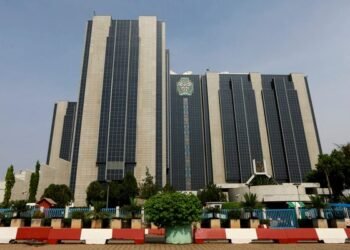
    Nigerian central bank Governor Olayemi Cardoso has highlighted a significant increase in dollar liquidity in the country’s currency market, attributing it to recent reforms and signaling positive outcomes. Transaction volumes reached $844 million on Feb. 5, a notable milestone that reflects the success of these reforms, according to Cardoso’s remarks to Nigerian lawmakers in Abuja.


    The surge in dollar liquidity comes amid a 37% depreciation of the naira against the dollar since Jan. 26, following measures by the central bank aimed at aligning its value with the street rate. This strategy is part of a broader initiative to unify Nigeria’s official and unofficial foreign exchange markets, aiming to enhance investment opportunities in the country.


    The scarcity of dollars in the domestic market has long been a challenge, contributing to the weakness of the currency. To address this issue, the central bank has encouraged Nigerians living abroad to repatriate their funds through official channels, leading to improved liquidity levels.


    Cardoso expressed optimism about the ongoing reforms, describing the current situation as a turning point. He emphasized the emergence of positive outcomes and anticipated further improvements in the near future, reflecting confidence in the effectiveness of the measures implemented by the central bank.


    Nigerian President Bola Tinubu’s decision to ease currency controls and eliminate fuel subsidies upon taking office in May has been pivotal in driving economic growth. While these measures have been welcomed by international investors, they have also led to challenges domestically, including a significant rise in inflation, reaching nearly a three-decade high of 28.9% in December.


    Looking ahead, Cardoso expects a decline in price pressures throughout 2024, driven by the central bank’s commitment to targeting lower inflation and restoring orthodox monetary policy practices. Finance Minister Wale Edun echoed this sentiment, emphasizing the significant progress made by Nigeria following the implementation of the reforms.


    Despite the challenges faced in the past, both Cardoso and Edun expressed confidence in Nigeria’s economic trajectory, highlighting the country’s resilience and potential for growth. As the nation continues to navigate through these reforms, there is optimism that Nigeria’s finances are on the mend, paving the way for a brighter economic future.

  • Russian Rouble Faces Volatility, Central Bank Hikes Rates

    Russian Rouble Faces Volatility, Central Bank Hikes Rates

    The Russian rouble faced a period of volatility as the central bank conducted an emergency meeting and took the decisive step of raising benchmark rates by 350 basis points to 12%. This action aimed to counter the substantial currency losses experienced against the US dollar, a development that pushed the rouble past the 100 threshold against the dollar just a day prior, as reported by Reuters.


    The rouble’s value has seen a notable decline of over 20% against the US dollar since the onset of the Ukraine conflict. Following the central bank’s intervention, the currency exhibited a 0.2% decrease, settling at 97.82 against the dollar.


    Monday witnessed the rouble approaching its lowest value in 17 months, reaching 101.75, with a brief trading rate of 92.60 the following Tuesday morning. The central bank’s unexpected move spurred market volatility as responses to the intervention unfolded.


    Conversely, the rouble displayed a marginal increase of 0.2% against the Euro, trading at 106.93, while maintaining stability at a value of 13.39 against the yuan. Amidst the backdrop of heavy sanctions imposed by Western nations following Russia’s invasion of Ukraine, the rouble’s woes have deepened. The increase in military spending due to the ongoing conflict has exerted additional pressure on the currency.


    Addressing the situation, President Vladimir Putin’s economic adviser, Maxim Oreshkin, highlighted the central bank’s capabilities to restore stability and normalize the situation swiftly. Oreshkin emphasized that a strong rouble is essential for the Russian economy, as per Reuters.


    This marks the second time the Russian central bank has called an emergency meeting of such magnitude, with the previous instance occurring in late February 2022 following the Russian invasion of Ukraine. During that episode, the central bank raised benchmark interest rates to 20%, which have gradually decreased since. However, rising inflation led to a recent rate hike of 100 basis points to 8.5% last month.

  • Russian Ruble Falls Below 100 to US Dollar

    Russian Ruble Falls Below 100 to US Dollar

    The Russian ruble’s value against the US dollar has taken a significant hit, dropping below 100 to the dollar. This is the first time the ruble has experienced such levels since the weeks following Russia’s invasion of Ukraine. The decline in the ruble’s value has been accelerated in recent weeks, with the currency losing almost 30% of its value against the dollar so far this year. This places the ruble among a handful of currencies, including the Turkish lira, Nigerian naira, and Argentine peso, that are facing a worse year in terms of value depreciation.


    The pronounced weakening of the ruble serves as an indicator of mounting financial anxiety within the Russian economy. The decline also sheds light on internal divisions among senior Russian officials on how best to address the situation. A senior Kremlin aide has attributed the ruble’s weakness to the central bank’s loose monetary policy, highlighting the underlying tensions.


    Maxim Oreshkin, President Vladimir Putin’s top economic adviser, implicitly criticized the central bank’s policies, stating that “the main source of ruble depreciation and inflation acceleration is loose monetary policy.” He emphasized the importance of a strong ruble for the Russian economy.


    The ruble’s depreciation raises concerns about mounting inflation and increased costs of imports, affecting the overall economic landscape. The central bank attempted to counter the rise in inflation by raising interest rates, but this measure has failed to stem the ruble’s decline.


    Russia’s economy has faced challenges due to Western sanctions, yet it has managed to maintain some stability through oil revenues and significant government spending on war-related activities. Despite these challenges, a weakening ruble poses a significant threat to the economy, increasing costs and impacting inflation.


    The decline in the ruble’s value has implications beyond the economic realm, affecting social rights and citizens’ livelihoods. It also sparks memories of historical instances where a weak ruble correlated with times of conflict and economic instability in Russia’s history.


    Efforts to regain confidence in the ruble have proven challenging, with Russians moving money abroad and outflows totaling $1 billion in recent months. A weakening ruble affects not only economic indicators but also the international reputation of the currency, reflecting on Russia’s global standing.


    The decline in the ruble’s value poses a dual challenge for Russia’s government, as it grapples with rising costs of the ongoing war while also striving to protect the population from the consequences of a weakened currency. The central bank’s role in managing the ruble’s value remains pivotal, and the ongoing struggle to stabilize the currency underscores the complexities of economic management in a challenging geopolitical landscape.