Category: ENVIRONMENT

  • ASCI Stringent Guidelines for Environmentally Friendly Claims

    ASCI Stringent Guidelines for Environmentally Friendly Claims

    In an era where consumers are increasingly inclined towards environmentally friendly products, advertisers have sought to capitalize on this trend by making ‘green’ claims. However, such claims, often referred to as ‘greenwashing,’ have caught the attention of the Advertising Standards Council of India (ASCI), prompting the self-regulatory body to introduce strict guidelines. These guidelines aim to curb misleading marketing tactics that can erode consumer trust and hinder their ability to make informed decisions.


    The ASCI has observed violations across various sectors, ranging from personal care and food products to beverages, automobiles, digital devices, and the real estate industry. Manisha Kapoor, CEO and Secretary General of ASCI, highlighted that consumers, influenced by environmental considerations, often base their purchasing decisions on such claims. The move to establish comprehensive guidelines is a response to the rampant nature of these misleading assertions.


    One key aspect addressed by the guidelines is the term “greenwashing,” which refers to products or services falsely portrayed as environmentally friendly. The guidelines emphasize the need for substantiated claims, ensuring that terms like “environment-friendly” or “sustainable” are backed by robust data and credible accreditations. Moreover, claims should not be diluted with disclaimers or QR codes, ensuring the transparency and authenticity of the environmentally friendly assertions.


    Crucially, the guidelines require claims to explicitly state whether they apply to the entire product, packaging, service, or a specific portion. Advertisers are discouraged from making vague claims like “greener” without providing evidence and specifying the basis of comparison, whether with a previous product version or competitor offerings. Additionally, the guidelines stress that environmental claims should consider the entire lifecycle of the product or service, avoiding a narrow focus on specific aspects.


    In an interesting move, the ASCI has also addressed the use of color schemes and natural imagery related to brand identity. These elements will not be considered green claims unless directly linked to a specific environmentally friendly assertion. This approach aims to prevent advertisers from subtly conveying green attributes through visual elements without explicit claims.


    Carbon offset claims and biodegradability assertions are scrutinized in the guidelines as well. Advertisers making carbon offset claims must disclose if the offset occurs beyond two years, avoiding implications of reductions from legally mandated activities. Similarly, biodegradable claims must be qualified with specific details and supported by scientific evidence to ensure credibility.


    The ASCI’s decision to introduce these guidelines reflects a commitment to promoting honest and transparent advertising practices, particularly in the context of environmental claims. As consumers become more discerning and environmentally conscious, the ASCI aims to prevent advertisers from exploiting this trend with misleading assertions, fostering a marketplace where consumers can trust the environmental claims made by brands. The guidelines are expected to serve as a framework for advertisers to align their practices with ethical and accurate representations of environmentally friendly products and services.


    The ASCI’s stringent guidelines seek to address the growing concern of misleading ‘green’ claims in advertising, safeguarding consumer trust and ensuring that environmental considerations play a genuine role in consumers’ decision-making processes. Advertisers are now urged to adhere to these guidelines to maintain credibility and foster a marketplace that prioritizes transparency and authenticity in environmental claims.

  • Namibian Cheetah “Shaurya” Dies at Kuno National Park

    Namibian Cheetah “Shaurya” Dies at Kuno National Park

    The Cheetah Reintroduction Project in India faced a significant setback as Shaurya, a Namibian cheetah translocated to Kuno National Park, passed away on Tuesday. This marks the latest in a series of unfortunate events, with a total of ten cheetahs, including seven adults and three cubs, having died since March 2023.


    The Additional Principal Chief Conservator of Forests (APCCF) and Director of Lion Project issued a statement detailing the events leading to Shaurya’s demise. The tracking team observed signs of distress in the cheetah, such as incoordination and a staggering gait, prompting the decision to tranquilize the animal. However, complications arose post-revival, and despite efforts, Shaurya failed to respond to cardiopulmonary resuscitation (CPR). The exact cause of death remains unknown and will be determined through a post-mortem examination.


    The Cheetah Reintroduction Project is a critical initiative by the Indian government to revive the population of this endangered species in the country. Cheetahs were declared extinct in India in 1952, and the translocation of cheetahs from Africa, particularly Namibia, is a key component of this conservation effort.


    Under the project, eight Namibian cheetahs, comprising five females and three males, were relocated to Kuno National Park in September 2022. Subsequently, in February 2023, an additional 12 cheetahs were brought to the park from South Africa. The project aims to establish a sustainable and thriving cheetah population in India.


    However, the project has faced challenges, especially concerning the well-being and survival of the translocated cheetahs. Since March 2023, a total of seven adult cheetahs, including Shaurya, have succumbed to various reasons, intensifying concerns about the project’s success. The death toll, including three cubs, now stands at 10.


    The Supreme Court, recognizing the environmental implications and the need for accountability, intervened in May 2023. Voicing concerns over the deaths of these big cats, the court requested the Union government to submit a detailed affidavit explaining the reasons behind the deaths and the remedial measures taken to prevent further casualties.


    In response, the Ministry of Environment and Forests and the National Tiger Conservation Authority assured the apex court that while the deaths are troubling, they are not “unduly alarming.” The surviving cheetahs are being captured and medically examined as a precautionary measure.


    The death of Shaurya underscores the complexity and challenges associated with translocating and reintroducing species into new habitats. Wildlife conservation efforts must strike a delicate balance between preserving biodiversity and addressing the risks inherent in such ambitious projects.


    As India grapples with the implications of Shaurya’s death and evaluates the overall progress of the Cheetah Reintroduction Project, it becomes crucial to reassess strategies, enhance monitoring protocols, and prioritize the well-being of these majestic animals to ensure the success of this ambitious conservation endeavor.

  • New York City Braces for Severe Storm

    New York City Braces for Severe Storm

    New York City is bracing itself for the impact of a severe storm, prompting authorities to issue a High Wind Warning and Flood Watch for the entire city starting at 6:00 pm. The alerts come as meteorologists predict torrential rain, potential flooding, and wind gusts reaching up to 70 mph. The warnings also include anticipations of power outages, urging residents to ensure they have reliable means of receiving weather alerts throughout the night.


    The city’s high alert status comes in the wake of a widespread storm that wreaked havoc in the U.S. South, causing significant damage and displacements. The Southern states experienced tornado warnings and high winds, resulting in roofs being displaced, campers overturned, and furniture scattered in Florida. Simultaneously, another storm has blanketed Midwest cities with over half a foot of snow, leaving travelers stranded on highways.


    In the Southern states, deadly storms and tornado warnings have claimed at least three lives, with winds of 55 mph, hail, and confirmed tornadoes affecting areas like the Florida Panhandle, Alabama, and Georgia. A wind gust of 106 mph was documented in Walton County, Florida, underlining the intensity of the storm. Tragically, an 81-year-old woman lost her life in Cottonwood, Alabama, allegedly after her mobile home was hit by a tornado. Another fatality occurred in Clayton County, south of Atlanta, where a tree fell on a car during heavy rain.


    Florida Governor Ron DeSantis declared a state of emergency for 49 North Florida counties, indicating the severity of the situation. Power outages have left over 200,000 customers in Florida, Alabama, and Georgia without electricity, with nearly 150,000 people in North Carolina facing similar challenges. The impact of the storm has been widespread, affecting daily life, causing disruptions, and posing risks to public safety.


    Meanwhile, the Midwest has been grappling with substantial snowfall, affecting states from southeastern Colorado to the Upper Peninsula of Michigan. Fatal accidents were reported in Wisconsin, with an SUV driver losing their life in a collision with a semitrailer on a snow-covered highway. The adverse weather conditions have led to travel difficulties and road accidents, further highlighting the widespread impact of the storm.


    As the storm system moves eastward, the Northeast is preparing for a combination of snow, rain, and strong winds by the night of January 9. In anticipation of the severe weather, New Jersey Governor Phil Murphy declared a state of emergency, recognizing the potential risks and challenges posed by the impending storm. The declaration is aimed at ensuring that resources are mobilized efficiently to address the impacts of heavy rain and wind.


    New York City, a densely populated urban center, is taking proactive measures to safeguard its residents. In response to the forecasted wind speeds exceeding 70 mph, nearly 2,000 migrants are being evacuated from a tent complex in the city. The evacuation is a precautionary measure to ensure the safety of vulnerable populations in the face of potentially hazardous weather conditions.


    The High Wind Warning and Flood Watch issued for New York City highlight the need for residents to remain vigilant and prepared. Power outages can be a significant concern during storms with high winds, and authorities are emphasizing the importance of having reliable means of receiving weather alerts. Residents are urged to stay informed about the evolving weather conditions and to follow any evacuation orders or safety recommendations issued by local authorities.


    The severe storm affecting various regions of the United States has prompted New York City to take precautionary measures. The High Wind Warning and Flood Watch underscore the potential risks associated with the impending weather conditions. As the city and its residents prepare for the storm, the focus is on ensuring public safety and minimizing the impact of adverse weather on the community.

  • Global Temperatures Approach Paris Agreement Limit

    Global Temperatures Approach Paris Agreement Limit

    The Earth has set a troubling record as 2023 officially becomes the hottest calendar year to date, marking a significant milestone in the ongoing battle against climate change. According to data provided by EU climate monitors, the global average temperature for the year was 14.98°C, soaring 1.48 degrees Celsius above pre-industrial times. This temperature is perilously close to the 1.5 degrees Celsius limit established during the 2015 Paris climate accord.


    The Copernicus Climate Change Service has confirmed this unsettling reality, declaring 2023 as the warmest calendar year on record, surpassing the previous record set in 2016. Alarming predictions suggest that a 12-month period concluding in January or February 2024 is likely to exceed the 1.5°C threshold above the pre-industrial level.


    The Paris Agreement, a landmark accord adopted in 2015 by 196 nations, aims to curb the rise in the global average temperature to well below 2°C above pre-industrial levels. Additionally, member countries are committed to making concerted efforts to limit the temperature increase to 1.5°C above pre-industrial levels.


    Copernicus Deputy Director Samantha Burgess emphasized the unprecedented nature of the warming trend, stating, “It was record-breaking for seven months. We had the warmest June, July, August, September, October, November, December. It wasn’t just a season or a month that was exceptional. It was exceptional for over half the year.”


    The implications of this record-breaking heat extend beyond mere discomfort, manifesting in extreme weather events that have wreaked havoc in regions across the globe. Europe, North America, China, and other areas have experienced the deadly consequences of a warming climate, including prolonged droughts, devastating floods, and uncontrollable wildfires. The increasing frequency and intensity of these events underscore the urgent need for global efforts to combat climate change and adhere to the ambitious goals outlined in the Paris Agreement.


    The record-setting warmth not only highlights the Earth’s vulnerability to climate change but also underscores the importance of immediate and collective action. Governments, businesses, and individuals must intensify their efforts to reduce greenhouse gas emissions, transition to sustainable energy sources, and implement resilience measures to mitigate the impact of climate-related disasters.


    As we confront the challenges posed by the hottest year on record, the focus must shift towards innovative solutions, conservation efforts, and global cooperation. The Paris Agreement provides a framework for collaboration, urging nations to work together to secure a sustainable and resilient future for our planet. The urgency of the situation requires a unified response, as the consequences of inaction are far-reaching and threaten the well-being of current and future generations. It is a call to action to prioritize sustainability, adopt green technologies, and foster a collective commitment to preserving the delicate balance of our global ecosystem.

  • Delhi Weather Update: Cold Day Conditions Persist

    Delhi Weather Update: Cold Day Conditions Persist

    On Tuesday, Delhi experienced a minimum temperature of 5.3 degrees Celsius, which is two notches below the season’s average making it extremely cold. The maximum temperature reached 17.5 degrees Celsius, registering a notch below the season’s average, as per the India Meteorological Department (IMD).


    The prevailing weather conditions led to a delay in twenty Delhi-bound trains on January 8, reported the Indian Railways. An IMD official indicated that cold day to severe cold day conditions were likely to persist in some parts of Delhi on Tuesday and abate thereafter.


    The IMD forecast for the day suggested a generally cloudy sky with a possibility of light rain or drizzle in Delhi. The maximum and minimum temperatures were expected to settle around 15 degrees Celsius and 6 degrees Celsius, respectively.


    Additionally, the IMD predicted dense to very dense fog conditions in the night and morning hours in parts of Punjab, Haryana, Uttar Pradesh, Uttarakhand, and Bihar. Dense fog conditions were likely over the next three days in Punjab and Haryana. Cold day to severe cold day conditions were expected in Delhi, Punjab, and Haryana on Tuesday, with Rajasthan also experiencing cold day conditions. Further, a cold wave was anticipated in Rajasthan on January 12 and 13.


    In other regions, Himachal Pradesh, Madhya Pradesh, and Jharkhand were forecasted to witness dense fog conditions on Tuesday and Wednesday. States like Odisha, West Bengal, Sikkim, Assam, Meghalaya, Mizoram, and Tripura were expected to experience dense fog conditions from Wednesday onward for the next two days.


    IMD also predicted light to moderate rainfall in certain areas of Tamil Nadu, Kerala, and Lakshadweep over the next four days. Heavy rainfall was expected in coastal Tamil Nadu, Puducherry, and Karaikal on the same day.


    For northern regions, IMD forecasted light isolated rainfall/snowfall in Jammu and Kashmir, Ladakh, Himachal Pradesh, and Uttarakhand on Tuesday. Isolated rainfall was likely over the plains of Northwest India and Central India.


    Further, the weather department anticipated light to moderate rainfall, accompanied by thunderstorms and lightning in Maharashtra from Tuesday until Wednesday and over Gujarat on Tuesday. Hailstorms were also likely over Rajasthan and Madhya Pradesh on the same day.


    On Monday, over four trains experienced delays of about six hours, including Katihar-Amritsar Express, Khajurao-Kurukshetra Express, Jammu Tawi-Ajmer Express, and Ajmer-Katra Pooja Express, according to Northern Railways. Three trains, including Puri-New Delhi Purushottam Express, Ambedkarnagar-Katra Express, and Chennai-New Delhi GT, were expected to arrive late by around two hours, while Manikpur-Nizamuddin Express was anticipated to arrive almost four hours late. Over twelve trains were running late by around 1-1.30 hours, including Kanpur-New Delhi Shramshakti, Saharsa-New Delhi Vaishali Express, Bangalore-Nizamuddin, Bhubaneswar-New Delhi Rajdhani Express, Prayagraj-New Delhi Express, Rajendranagar-New Delhi Express, Muzaffarpur-Anand Vihar Express, Amritsar-Mumbai Express, Hyderabad-New Delhi Express, and Chennai-New Delhi GT, according to railway officials.

  • Earthquake in Banda Sea in Indonesia: No Tsunami Threat

    Earthquake in Banda Sea in Indonesia: No Tsunami Threat

    Indonesia’s Banda Sea experienced a series of seismic events on Wednesday, with a magnitude 6.7 earthquake occurring, as reported by the United States Geological Survey (USGS). This followed a stronger tremor that hit the region earlier. Fortunately, there have been no immediate reports of damage or casualties resulting from these earthquakes.


    The USGS revealed that the shallow earthquake, located far from the coast, took place at 8:02 pm local time (1302 GMT). Importantly, no tsunami warning has been issued in response to these seismic activities.


    Daryono, an official at Indonesia’s Meteorological, Climatological and Geophysical Agency (BMKG), explained that the second earthquake was one of 23 aftershocks following the initial event. He added that “modelling results showed that this quake does not have potential to cause a tsunami,” providing some relief to residents and authorities.


    The earlier earthquake had a magnitude of 7.1 and occurred at 11:53 am local time. It was moderately felt in the town of Saumlaki in the Tanimbar Islands of the Indonesian archipelago, according to BMKG.


    Saumlaki resident Lambert Tatang shared that “the earthquake was quite intense. But the people here were not panicking. We are used to having earthquakes.” He added that once it was confirmed there was no tsunami threat, life returned to normal for the local community.


    Indonesia is situated within the Pacific “Ring of Fire,” an area known for intense seismic activity. This ring extends from Japan through Southeast Asia and across the Pacific basin. As a result, Indonesia regularly experiences earthquakes and volcanic eruptions.


    In November of the previous year, a shallow 5.6 magnitude earthquake struck the populous West Java province, leading to the unfortunate loss of 602 lives. In 2004, a devastating 9.1 magnitude quake off the coast of Sumatra triggered a tsunami that claimed the lives of 220,000 people across the region, with approximately 170,000 fatalities in Indonesia alone.

  • IIT Kanpur Proposes Artificial Rain to Tackle Delhi’s Air Pollution

    IIT Kanpur Proposes Artificial Rain to Tackle Delhi’s Air Pollution

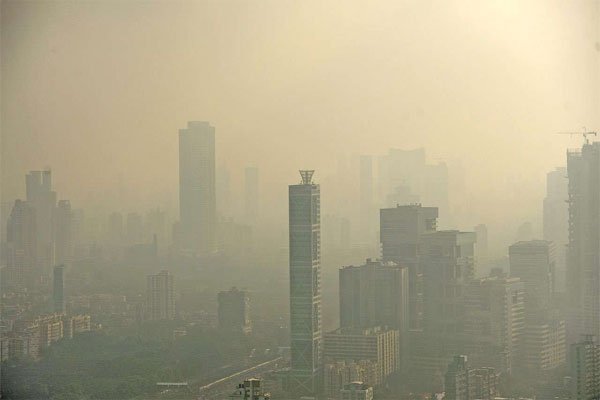
    Over the past few days, the air quality in Delhi and its surrounding regions has significantly deteriorated, causing immense problems for residents and enveloping northern parts of India in a toxic haze. As of 5 pm on Wednesday, the air quality index (AQI) in Delhi stood at a ‘very poor’ level of 398. To address this alarming issue, the Indian Institute of Technology (IIT) Kanpur has put forward an innovative solution – the concept of “artificial rain” through cloud seeding. This ambitious project has been in development since 2018, with trials conducted in July of this year after securing the necessary permissions from government authorities, including the Directorate General of Civil Aviation (DGCA).


    Manindra Agrawal, a professor in the computer science and engineering department at IIT Kanpur, is the driving force behind this groundbreaking project. He explained that artificial rain could provide temporary relief for up to a week to the residents in the National Capital Region (NCR) who are grappling with poor air quality.


    What is Cloud Seeding?

    Cloud seeding is an artificial technique employed to enhance rainfall by introducing specific substances into clouds. This method serves various purposes, including mitigating the impact of droughts, preventing forest fires, increasing precipitation, and improving air quality.


    During cloud seeding, various chemicals like silver iodide, potassium iodide, and dry ice are released into the sky, typically using airplanes and helicopters. These chemicals attract water vapor, leading to the formation of rain clouds. The process generally takes about half an hour to induce rainfall.


    Cloud seeding techniques can be categorized into two main types. Hygroscopic cloud seeding aims to expedite the coalescence of droplets in liquid clouds, leading to the formation of larger droplets that result in precipitation. This method typically involves dispersing salt particles at the cloud’s base. The other technique, glaciogenic cloud seeding, focuses on inducing ice production in supercooled clouds, triggering precipitation. It requires the release of efficient ice nuclei, such as silver iodide particles or dry ice, into the cloud, thereby initiating heterogeneous ice nucleation.


    Implementation Challenges

    Implementing artificial rain through cloud seeding requires obtaining various approvals, including those from the DGCA, the Ministry of Home Affairs (MHA), and the Special Protection Group, responsible for the Prime Minister’s security, to allow aircraft to fly over the national capital. Additionally, the success of this innovative approach hinges on specific meteorological conditions, including the presence of moisture-laden clouds and suitable wind patterns.


    While cloud seeding shows promise as a temporary solution to mitigate air pollution in Delhi, it is vital to continue exploring comprehensive, long-term measures to address the root causes of the issue and ensure sustainable improvements in air quality for the region’s residents.

  • 32% Delhi-NCR Families to Burst Firecrackers Despite Pollution

    32% Delhi-NCR Families to Burst Firecrackers Despite Pollution

    Despite mounting concerns about air pollution in Delhi-NCR, a recent survey conducted by Localcircles, a prominent pollster on governance, public and consumer issues, and a community social media platform, found that 32% of families in the region are planning to burst firecrackers during the upcoming Diwali festival. At the same time, 43% of respondents have indicated that their concerns about air pollution in the national capital have deterred them from participating in firecracker celebrations.


    The survey, which garnered over 9,000 responses from residents of Delhi, Noida, Ghaziabad, Gurugram, and Faridabad, provides insights into the choices and perspectives of people regarding Diwali festivities, particularly related to the use of firecrackers.


    In response to the question, “What do you plan to do this Diwali in regard to firecrackers?” the survey findings revealed the following:


    • 43% of respondents stated that they will refrain from bursting firecrackers due to concerns about pollution.
    • 6% will not use firecrackers because of the ban on their sale and use in their city.
    • 13% expressed their desire to use firecrackers but noted their unavailability in their city.
    • 6% confirmed that they will burst firecrackers and have already obtained them from Delhi.
    • 13% indicated their intention to burst firecrackers and have already procured them from cities in the National Capital Region (NCR).


    Another 13% disclosed their plans to burst firecrackers and have access to sources for obtaining them.
    6% of respondents did not provide a clear response, choosing “can’t say.”
    While the majority of Delhi-NCR residents attribute air pollution to stubble burning in the neighboring states of Punjab, Haryana, and Uttar Pradesh, data from previous years has shown a significant increase in the Air Quality Index (AQI) levels the day after Diwali compared to the previous day. Despite stubble burning being a significant contributor to air pollution, the survey underscores the adverse impact of firecracker bursting on air quality.


    The survey also highlights the differing regulations regarding firecracker sales. While the sale of firecrackers is prohibited in Delhi, it remains allowed in neighboring states like Haryana and Uttar Pradesh. Consequently, residents in Delhi have been known to procure firecrackers from these neighboring regions in recent years.


    As Diwali approaches, the survey provides insights into the complex interplay of cultural traditions, environmental concerns, and regional regulations, as people make choices about how they will celebrate the festival of lights in the midst of air pollution challenges.

  • Delhi: Odd-Even Vehicle System to Combat Air Pollution

    Delhi: Odd-Even Vehicle System to Combat Air Pollution

    Amidst a concerning increase in air pollution levels in the national capital, Delhi’s Environment Minister, Gopal Rai, declared a temporary reintroduction of the Odd-Even vehicle system. This decision comes in response to the growing concerns about deteriorating air quality and its impact on the health of Delhi’s residents.


    The Odd-Even system is a traffic management strategy based on the last digit of a vehicle’s license plate. This system was originally introduced to address air pollution concerns and to alleviate traffic congestion.


    Under the Odd-Even scheme, vehicles are restricted from the road on certain days based on whether the last digit of their license plate is odd or even. Here’s how it works:


    Vehicles with license plate numbers ending in an even digit (0, 2, 4, 6, 8) are allowed to operate on even dates.
    Vehicles with license plate numbers ending in an odd digit (1, 3, 5, 7, 9) can ply on odd dates.
    The Delhi government has chosen to implement this system for one week, commencing from November 13 and concluding on November 20. During this period, residents are expected to adhere to the vehicle restrictions specified by the Odd-Even rule.


    This decision has sparked various reactions from the public, with some expressing skepticism about the effectiveness of the Odd-Even scheme in addressing air pollution. Critics argue that air quality in Delhi is more influenced by factors such as rainfall and crop stubble burning, rather than vehicle emissions. However, proponents of the measure believe it is a crucial step in curbing the immediate impact of vehicular pollution.


    The debate surrounding the effectiveness of such initiatives reflects the complex and multifaceted nature of the air pollution crisis in Delhi. The city has been grappling with poor air quality for years, and it remains a significant challenge for policymakers and residents alike.


    As Delhi prepares for the implementation of the Odd-Even system once again, the broader discussion on long-term, sustainable solutions to combat air pollution and protect public health continues.


    Please note that the effectiveness of such measures may vary and are subject to further evaluation as the situation unfolds.

  • Cities Grapple with ‘Very Poor’ Air Quality

    Cities Grapple with ‘Very Poor’ Air Quality

    The air quality in Delhi, Noida, and Gurugram remains a cause for concern as it falls into the ‘Very Poor’ category, with Air Quality Index (AQI) levels ranging from 314 to 324, according to data from the System of Air Quality and Weather Forecasting And Research (SAFAR) as of 7 am. Despite a 15-point winter action plan aimed at mitigating the rising pollution levels, the battle against deteriorating air quality continues in the National Capital Region. Initiatives like ‘Red Light on, Gaadi off’ are underway to combat vehicular emissions and biomass burning, both of which contribute to elevated PM2.5 levels. The forecast predicts that ‘Very Poor’ air quality will persist in the region from October 29 to 31, 2023.


    Mumbai’s Air Quality Maintains ‘Moderate’ Levels:

    In contrast to the North, Mumbai’s air quality remains in the ‘Moderate’ category with an AQI of 128 as per SAFAR-India’s data. Here are some specific AQI levels in various areas of Mumbai:


    • AQI in Borivali: 22
    • AQI in Malad: 147
    • AQI in Bhandup: 142
    • AQI in Navi Mumbai: 128
    • AQI in Colaba: 169
    • AQI in Mazgaon: 162


    Aam Aadmi Party Criticizes the Central Government:

    The Aam Aadmi Party (AAP) has taken issue with the Central Government’s response to the ongoing air quality crisis in Northern India. AAP Senior Leader and National Spokesperson, Reena Gupta, voiced her concerns during a press conference. Gupta alleged that the entire Northern region of India is grappling with severe air pollution, but the Central Government lacks a concrete action plan to address the issue.


    Gupta further highlighted that a significant portion of Delhi’s air pollution (approximately 70 percent) originates from outside Delhi, particularly from states ruled by the Bharatiya Janata Party (BJP). She noted that on October 24, the Central Government shut down the SAFAR website, a system designed for monitoring air quality and weather forecasting, just as concerns about external sources of pollution were being raised. The move to close the website has drawn criticism and raised questions about transparency and accountability in addressing air quality issues in the region.


    Air quality issues in Delhi, Noida, and Gurugram persist in the ‘Very Poor’ range, prompting ongoing efforts to combat pollution. The significant number of farm fires in Punjab adds to the challenge. In contrast, Mumbai maintains ‘Moderate’ air quality. The Aam Aadmi Party has criticized the Central Government for its handling of the air pollution crisis, emphasizing the need for a comprehensive and collaborative approach to address the issue, including addressing sources of pollution beyond Delhi’s borders.

  • Delhi Air Quality Deteriorates, Registers ‘Very Poor’ AQI

    Delhi Air Quality Deteriorates, Registers ‘Very Poor’ AQI

    The air quality in Delhi worsened on Saturday morning, with the Air Quality Index (AQI) registering around 286 at 6:30 am, according to data from monitoring agencies. This decline in air quality is a cause for concern for Delhi residents, as it indicates higher levels of air pollution and poses health risks.


    Noida, a neighboring city, also reported an average AQI above 300, signifying very poor air quality. Several other cities in the region, including Rohtak, Karnal, Ghaziabad, Gurugram, and Faridabad, also experienced ‘very poor’ air quality, with AQI values exceeding 300.


    The Air Quality Index (AQI) is a tool designed to effectively communicate air quality status to the public. It categorizes air quality into six levels, ranging from “good” to “severe,” based on the level of pollutants in the air.


    Environmentalists have been stressing the need for immediate measures to combat air pollution in Delhi. Among the suggested measures are improvements in public transport facilities, the use of smog guns at construction sites, and strengthening institutions like the Delhi Pollution Control Committee (DPCC).


    Bhavreen Kandhari, an environmentalist, emphasized the importance of consistent efforts to address pollution sources and implement systemic changes. While measures like smog towers and smog guns are beneficial, she suggested that they should be mandatory equipment at construction sites throughout the year to address pollution effectively.


    Delhi’s Environment Minister, Gopal Rai, announced the implementation of a 15-point winter action plan to combat pollution. This comprehensive plan aims to address various sources of pollution, including vehicle emissions, biomass burning, and dust. Initiatives such as the ‘Red Light on, Gaadi off’ campaign have been introduced to reduce pollution caused by idling vehicles at traffic signals.


    As air quality remains a significant concern for Delhi residents, both environmentalists and government authorities are actively working to create a cleaner and healthier environment for the city’s inhabitants. Addressing air pollution is crucial for the well-being of the population and the overall quality of life in the national capital.